 ✨ AI Generated
Miyataki Ruins
Japanese: 宮滝遺跡
Yoshino Town, Nara
This information was written by AI and may contain mistakes. Please check official sources for opening hours, fees, and other details before you go.
Found a mistake? Let us know with “✏️ Something's wrong” on this spot's screen in asobot →
🎧 Audio guide(1:04)
In short
The Miyataki Ruins are an archaeological site extending beneath the village of Miyataki in Yoshino Town. Evidence shows that human activity intermittently took place here from the Jomon period through the Edo period. The remains of buildings from the Asuka and Nara periods are believed to be the site of Yoshinonomiya, a detached palace renowned for the Jinshin War and poems in the Man'yoshu.
- Site of Yoshinonomiya Palace: Built by Empress Saimei, Yoshinonomiya was visited by Empress Jito as many as 31 times.
- Remains of a Large Building: Traces of a grand building measuring 23.7 meters east-west and 9.6 meters north-south, featuring eaves (hisashi) on all four sides, have been uncovered.
- Miyataki-style Pottery: Jomon pottery decorated with fan-shaped patterns, representative of the Late Jomon period in the Kinki region.
History and Highlights
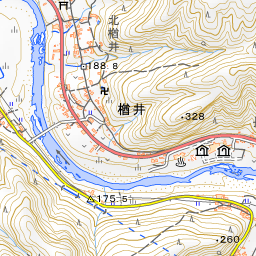
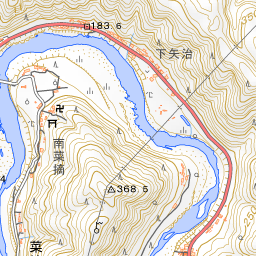
The Miyataki Ruins are an archaeological site covering approximately 110,000 square meters beneath the village of Miyataki in Yoshino Town. It sits on a river terrace on the north bank of a major bend in the Yoshino River. From 1930 to 2023, 70 rounds of excavations have been conducted. In 1957, a portion of the site was designated as a National Historic Site.
Of particular note are the remains dating from the Asuka period to the Nara period. During the Asuka period, a group of buildings accompanied by a large garden pond appears to have been developed. These facilities were restructured on an even larger scale around the first half of the Nara period. They are believed to be the remains of the detached palace, Yoshinonomiya.
Yoshinonomiya was built by Empress Saimei in 656. In 671, Prince Oama fled Otsu Palace and took refuge at Yoshinonomiya. The following year, in 672, the prince raised an army in Yoshino. This event is known as the Jinshin War. Between 689 and 697, Empress Jito made an imperial progress to Yoshinonomiya as many as 31 times.
Relics from the Jomon period are also well known. Pottery decorated with fan-shaped patterns unearthed in the first excavation was later named "Miyataki-style." It represents typical pottery of the Late Jomon period in the Kinki region.
Highlights for Visitors
- Remains of a Large Building: Traces of a large structure measuring 23.7 meters east-west and 9.6 meters north-south were found. A grand building with eaves on all four sides, it is considered to have been the central facility around the Nara period. Roof tiles bearing patterns similar to those of the Dairi (imperial residence) at Heijo Palace were used, and it is thought to be the core facility of Yoshinonomiya visited by Emperor Shomu.
- Remains of an Asuka-Period Pond: The remains of a pond dating to the Asuka period were discovered. Based on its shape and depth, it appears to have been an ornamental garden pond. Around it, several buildings aligned in the same orientation were found. These are believed to correspond to Empress Saimei's Yoshinonomiya.
- The Yoshino River in Man'yo Poetry: Huge boulders and unusual rock formations line both banks of the Yoshino River around Yoshinonomiya. Poets such as Kakinomoto no Hitomaro and Yamabe no Akahito, who accompanied imperial progresses, composed poems praising its beauty. Hitomaro, accompanying Empress Jito, composed: "Even mountains and rivers submit and serve, as befits a deity; and now the imperial boat sets forth upon the surging waters of this river valley."
Tips for Exploring
The ruins lie beneath the residential village of Miyataki and are not developed as a park. Please be careful not to enter private property.
Artifacts and information about the ruins are introduced at the Yoshino Historical Museum in Miyataki. Opening days are limited, so please check Yoshino Town's official website before visiting.
When traveling by train, get off at Yamato-Kamiichi Station on the Kintetsu Line, from which it takes about 15 minutes by bus or other transport. From Mt. Yoshino, there is an 8-kilometer hiking trail called "Yoshino Miyataki Manyo no Michi" that connects Nyoirin-ji Temple and the Miyataki Ruins, running along the Kisadani valley. Mt. Yoshino is located about 3 kilometers southwest of the Miyataki Ruins.



Use asobot while you walk
- See where you are on the map and find spots nearby
- Listen to the guide's audio in course order, one after another (with subtitles)
- Walk to the next spot while following the map
Open on your phone
Scan to open this spot in asobot on your phone.