 ✨ AI Generated
Omiwa-jinja Shrine
Japanese: 大神神社
Sakurai, Nara
This information was written by AI and may contain mistakes. Please check official sources for opening hours, fees, and other details before you go.
Found a mistake? Let us know with “✏️ Something's wrong” on this spot's screen in asobot →
🎧 Audio guide(1:11)
In short
Omiwa-jinja Shrine is a shrine in Sakurai City that enshrines Mt. Miwa as its shintai (sacred body of the deity). Without a honden (main sanctuary), worship is conducted toward Mt. Miwa through the Mitsu-torii (triple torii gate) located behind the haiden (worship hall), preserving the primal form of Shinto worship to this day. For this reason, it is referred to as Japan's oldest shrine.
- Haiden and Mitsu-torii: The worship hall was rebuilt in 1664 by Tokugawa Ietsuna and, along with the Mitsu-torii behind it, is designated as a national Important Cultural Property.
- Mi-no-Kamisugi: A sacred cedar named after the white snake, believed to be an incarnation of Omononushi-no-Okami, that dwells within it; eggs, a favorite food of snakes, are offered here.
- Otorii: Standing 32.2 meters high along the approach, this grand torii gate is the tallest in Japan among those straddling a roadway.
History and Highlights
The enshrined deity of Omiwa-jinja Shrine is Omononushi-no-Okami. Because the deity dwells within the mountain, the shrine has historically lacked a honden, and worshippers revere Mt. Miwa through the Mitsu-torii located behind the haiden. As it preserves the form of Shinto worship from before the development of shrine buildings, it is called Japan's oldest shrine.
The traditions of its founding are recorded in the Kojiki and the Nihon Shoki. According to the Kojiki, Omononushi-no-Okami appeared before Okuninushi-no-Kami of Izumo and expressed the desire to be enshrined on Mt. Miwa. During the reign of the 10th Emperor Sujin, the deity was devoutly worshipped as a god of nation-building and a protector of the state. Later, the shrine became the Ichinomiya (first shrine) of Yamato Province.
Mt. Miwa is a beautifully shaped conical mountain with a height of 467 meters and a circumference of 16 kilometers. It has long been revered with the belief that a deity resides in every single tree and blade of grass. Its cedars were regarded as sacred as "Miwa no Kamisugi" (sacred cedars of Miwa), and later, sugidama (cedar balls) made from the needles of Mt. Miwa's cedars came to be hung under the eaves of sake breweries as a symbol of sake making.
The current haiden was rebuilt in 1664 (Kanbun 4) by the fourth Tokugawa shogun, Ietsuna. Built of plain unlacquered wood, its roof is thatched with hiwada (cypress bark). The area behind the haiden is forbidden ground (kinsokuchi), on the boundary of which stands the Mitsu-torii. Formed by uniquely combining three Myojin-style torii in a horizontal row, it is also known as the "Miwa Torii." The haiden, along with the Mitsu-torii, is designated as a national Important Cultural Property.
Appreciation & Experience Highlights
- Mi-no-Kamisugi: A sacred tree named after the white snake, said to be an incarnation of Omononushi-no-Okami, that lives within it. Said to be 500 years old, it receives offerings of eggs, a favorite of snakes, from visitors.
- Sai-jinja Shrine and Kusuri-ido: Proceeding along the Kusuri-michi (medicine path), you will find Sai-jinja Shrine, which enshrines the aramitama (rough spirit) of the deity. It is deeply revered as a deity of healing illness, and from the Kusuri-ido (medicine well) beside the haiden, medicinal water said to be effective against all illnesses wells up.
- Omiwa-no-Mori Observation Deck: A spot offering views of Mt. Miwa, the Yamato Sanzan Mountains, and Mt. Nijo. In spring, cherry blossoms bloom in profusion, and it is registered as a Nara Prefecture Scenic Asset.
Walking Tips
It is about a 5-minute walk from JR Miwa Station. Standing on the approach is an Otorii (grand torii gate) with a height of 32.2 meters. It is the tallest torii in Japan straddling a roadway. Upon entering the grounds, it is customary to first pray at Haraedo-jinja Shrine to purify the mind and body, and then proceed to the haiden. After that, it is recommended to see the Mi-no-Kamisugi and follow the Kusuri-michi to Sai-jinja Shrine.
If you wish to climb Mt. Miwa to worship, registration at Sai-jinja Shrine is required. Climbing the sacred mountain is a form of worship distinct from tourism or mountaineering, and photography, eating, and drinking are prohibited on the mountain.
Hibara-jinja Shrine is located about 1.1 kilometers to the north, along the Yamanobe-no-Michi Path.
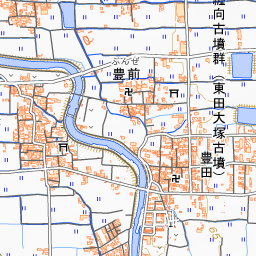
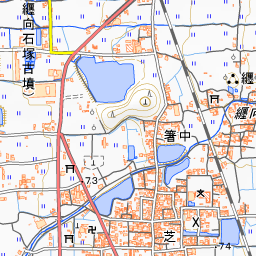

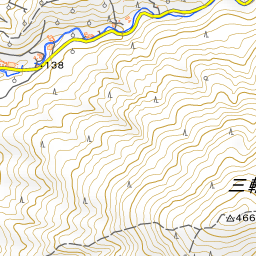
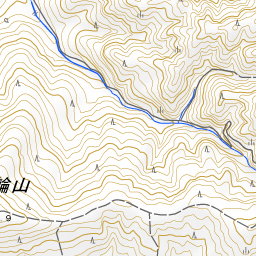
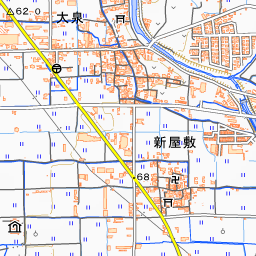
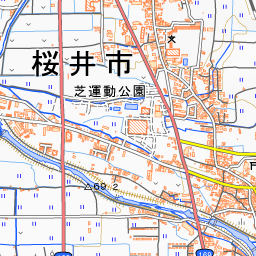
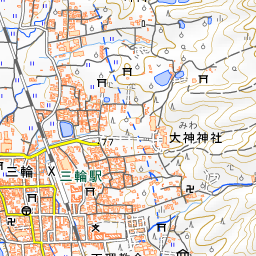
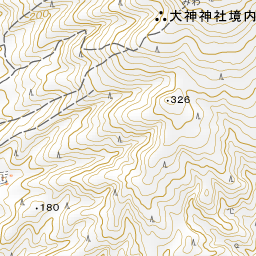

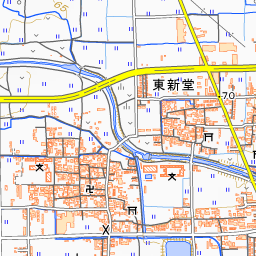
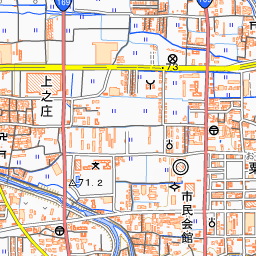
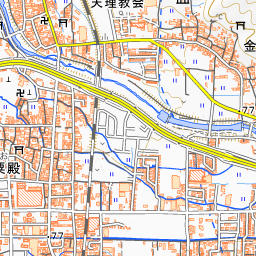
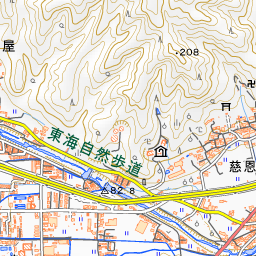
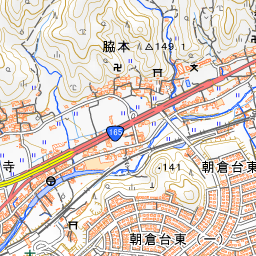
Spot location © OpenStreetMap contributors (ODbL)
Open in Google MapsGuides that include this spot (1)
Use asobot while you walk
- See where you are on the map and find spots nearby
- Listen to the guide's audio in course order, one after another (with subtitles)
- Walk to the next spot while following the map
Open on your phone
Scan to open this spot in asobot on your phone.