 ✨ AI Generated
Harmonica Yokocho
Japanese: ハモニカ横丁
Musashino, Tokyo
This information was written by AI and may contain mistakes. Please check official sources for opening hours, fees, and other details before you go.
Found a mistake? Let us know with “✏️ Something's wrong” on this spot's screen in asobot →
🎧 Audio guide(1:01)
In short
Harmonica Yokocho is a shopping street area spreading out right in front of the north exit of JR Kichijoji Station. Said to have originated as a postwar black market, it packs around 100 small shops into its intricate, narrow alleys.
- An Alley Born from a Black Market: It began with the appearance of a station-front market in 1945, and traces of the Showa era can still be felt in its buildings and streets.
- A Changing Face from Day to Night: In the daytime, shoppers gather at fishmongers, flower shops, and Japanese sweets shops, while izakaya pubs and eateries liven up the atmosphere starting in the evening.
- Origin of the Name: The name is said to come from the way the narrow-fronted shops lined up resemble the mouthpiece of a harmonica.
History and Highlights
Harmonica Yokocho is a shopping street area located just north of Heiwa-dori Street, right in front of the north exit of JR Kichijoji Station. Its name uses the spelling "hamonika," but it is also sometimes written "haamonika," the standard Japanese spelling of "harmonica." Narrow alleys intertwine, packed with about 100 small shops. Today, it consists of five merchant associations.
Its beginnings date back to the station-front market that emerged in 1945 (Showa 20). A black market established after the war on land in front of the station that had been cleared by forced building demolitions during the war is said to be the origin of this alley. Even now, the vestiges of the Showa era can still be felt from the buildings and streets.
The name is said to have been coined because the rows of tiny storefronts resemble the mouthpiece of a harmonica. Accounts vary as to who originally came up with it. One theory suggests that literary critic Kamei Katsuichiro, who lived in Kichijoji, used this metaphor during a municipal lecture in 1962 (Showa 37). Another tale says that officials of the merchant association overheard someone muttering the phrase at a drinking tavern and adopted it. It is also said that people simply started calling it that without anyone knowing who said it first.
The symbol of the alley is its yellow sign. Below it, a commemorative design manhole cover marking its 80th anniversary was installed in December 2025. This manhole cover won both the Rookie Award and the Grand Prize at the 2026 Japan Manhole Cover Awards.
Highlights & Activities
- Maze-like Alleys: Maze-like alleys hung with red lanterns continue on. Entering the narrow street under the sign marked with the katakana character "Ha" on top reveals a line of small shops, including eateries, dried-goods stores, and florists.
- A Changing Face from Day to Night: In the daytime, shops like fishmongers, florists, and Japanese confectionery stores bustle with shoppers. Starting from the evening, izakaya pubs and eateries come alive.
- New and Old Shops: Alongside historic izakaya pubs and yakitori stalls, there are also Spanish-style bars and other establishments. Modern shops have opened since the late 1990s, drawing younger generations as well.
Travel Tips
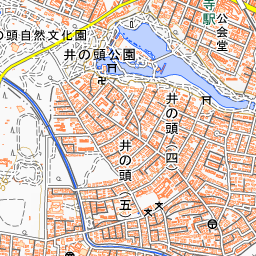
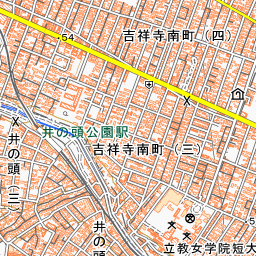
After exiting the north exit of Kichijoji Station, look first for the yellow sign. The Kichijoji Sun Road Shopping Street is also located close by. During the day, you can stroll through the alleys while browsing Japanese sweets shops and fishmongers. A morning market organized by young merchants is held every month. In the evening, hopping from bar to bar is part of the fun. Stopping by on the way back from Inokashira Onshi Park to enjoy a drink with yakitori skewers is also a classic Kichijoji experience. Lively conversations with shop owners and neighboring guests are another charming aspect of this alley. Musashino City Kichijoji Art Museum is located about 120 meters to the north.
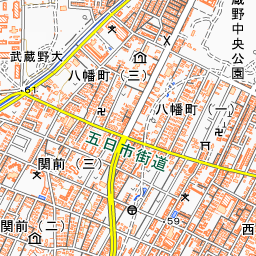
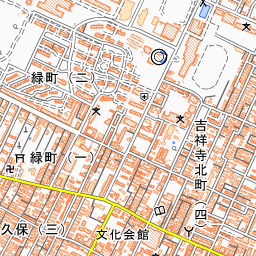
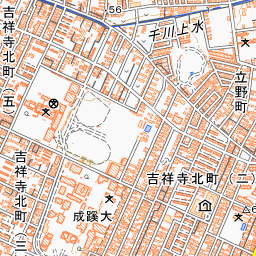
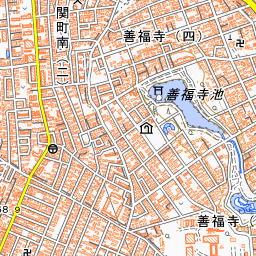
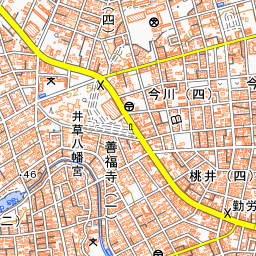
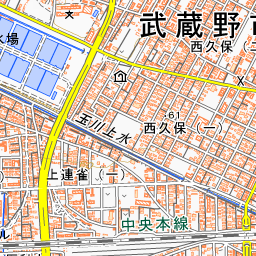
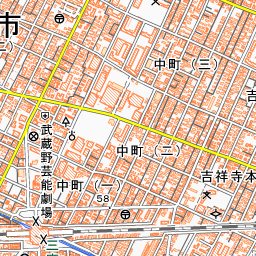
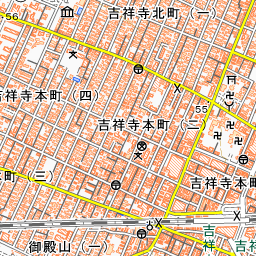
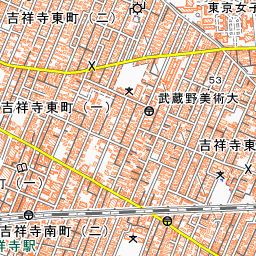
Spot location © OpenStreetMap contributors (ODbL)
Open in Google MapsUse asobot while you walk
- See where you are on the map and find spots nearby
- Listen to the guide's audio in course order, one after another (with subtitles)
- Walk to the next spot while following the map
Open on your phone
Scan to open this spot in asobot on your phone.