 ✨ AI Generated
Kifune-jinja Shrine
Japanese: 貴船神社
Sakyo Ward, Kyoto
This information was written by AI and may contain mistakes. Please check official sources for opening hours, fees, and other details before you go.
Found a mistake? Let us know with “✏️ Something's wrong” on this spot's screen in asobot →
🎧 Audio guide(1:11)
In short
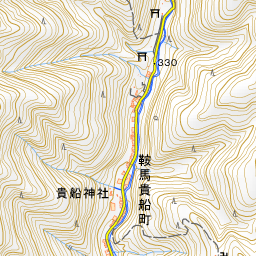
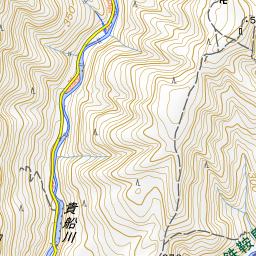
Located north of Kyoto along the upper reaches of the Kifune River, Kifune-jinja Shrine is the head shrine of all Kifune shrines, enshrining the deity who governs water supply. While the exact date of its founding is not clearly known, shrine records convey that the shrine buildings were already rebuilt in the 6th year of the Hakuho era, about 1,300 years ago, and it is considered to be an extremely old shrine.
- Hongu and Mizuura Mikuji: The sacred water flowing from the stone wall in front of the shrine building is spring water from Mount Kifune, and the shrine is known for its "Mizuura Mikuji" (water fortune slips), on which written words appear when the slip is floated on the sacred spring
- Yui-no-Yashiro Shrine, the Shrine of Love: A shrine for match-making that enshrines Iwanagahime-no-Mikoto. In the Heian period, the poet Izumi Shikibu visited the shrine and offered a poem in prayer; because her wish was granted, it came to be known as the "Shrine of Love"
- Okumiya, the Site of Founding: Surrounded by forest, a moss-covered spot beside the main hall is enshrined, where the boat that carried Tamayorihime-no-Mikoto is said to have been wrapped and surrounded by stones so that it would remain hidden from human eyes
History and Highlights
Located north of Kyoto along the upper reaches of the Kifune River, Kifune-jinja Shrine is the head shrine of all Kifune shrines, enshrining the deity who governs the supply of water, the source of all life. While the exact date of its founding is not clearly known, shrine records convey that the shrine buildings were already rebuilt in the 6th year of the Hakuho era (around 1,300 years ago), and it is considered to be an extremely old shrine.
According to shrine legend, Tamayorihime-no-Mikoto, the mother of Emperor Jinmu (the first emperor of Japan), boarded a boat from what is now Osaka Bay and traveled up the Yodo River, Kamo River, and Kifune River to the site of the present Okumiya (rear shrine), where she built a small shrine at a spot where pure water welled forth, marking the beginning of the shrine.
Takaokami-no-Kami, enshrined at the Hongu (main shrine) and the Okumiya, is a dragon deity who brings and stops rain, governing the supply of water. Successive imperial courts were devout believers; during droughts, they offered black horses, and during prolonged rains, they offered white or red horses to pray for rain or for rain to stop. Since ancient times, "Kifune" has also been written with characters meaning "the root where vital energy (ki) arises."
Highlights for Viewing and Experiences
- Hongu and Mizuura Mikuji: Because the Okumiya, the site of the shrine's founding, was washed away in a flood, the Hongu was relocated to its current site in 1055. The sacred water flowing from the stone wall in front of the main hall is spring water from Mount Kifune, and the shrine is known for its "Mizuura Mikuji" (water fortune slips), on which written words appear when the slip is floated on the sacred spring.
- Yui-no-Yashiro Shrine, the Shrine of Love: Yui-no-Yashiro Shrine, the middle shrine, enshrines Iwanagahime-no-Mikoto and is dedicated to match-making and romance. In the Heian period, the poet Izumi Shikibu, troubled by a change of heart in her husband, visited the shrine and offered a poem in prayer; because her wish was granted, it came to be known as the "Shrine of Love."
- Okumiya, the Site of Founding: In the forest-surrounded Okumiya, a moss-covered mound beside the main hall is said to be the boat that carried Tamayorihime-no-Mikoto, wrapped and surrounded by stones so that it would remain hidden from human eyes. Directly beneath the main hall lies a large cavern known as the "Ryuketsu" (dragon hole), which no one is permitted to see.
Walking Tips
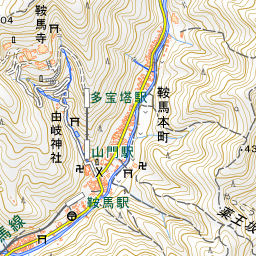
It is customary to make a pilgrimage to all three shrines—Hongu, Okumiya, and Yui-no-Yashiro Shrine—a practice known as "Sansha-mairi." From Kibuneguchi Station on the Eizan Electric Railway, transfer to a Kyoto Bus and alight at "Kifune." From May through September, dining establishments along the Kifune River set up kawadoko (platforms over the river), allowing visitors to enjoy food in air that is refreshingly cooler than that of the city center. You can also hike over the mountain to Kurama-dera Temple via the Maoden hall.
Guides that include this spot (1)
Use asobot while you walk
- See where you are on the map and find spots nearby
- Listen to the guide's audio in course order, one after another (with subtitles)
- Walk to the next spot while following the map
Open on your phone
Scan to open this spot in asobot on your phone.