 ✨ AI Generated
Namiyoke Inari-jinja Shrine
Japanese: 波除稲荷神社
Chuo City, Tokyo
This information was written by AI and may contain mistakes. Please check official sources for opening hours, fees, and other details before you go.
Found a mistake? Let us know with “✏️ Something's wrong” on this spot's screen in asobot →
🎧 Audio guide(1:03)
In short
Namiyoke Inari-jinja Shrine is the guardian shrine of the entire Tsukiji area, traditionally said to have watched over the land reclamation work here. Because the construction work, which had been stalled by rough waves, began to make progress after Inari Okami was enshrined, it was given the name "Namiyoke" (wave protector). It is known as a shrine for warding off disasters and misfortune, and for the Tsukiji Shishi Matsuri festival, in which gigantic lion heads are carried.
- Yakuyoke Tenjo Dai-jishi: A 2.4-meter-tall male giant lion head enshrined in the Shishiden pavilion on the grounds.
- Ohaguro-jishi: A female giant lion head housed in the Benzaiten shrine; a sacred image of Benzaiten is enshrined inside the sacred jewel on its head.
- Mounds Connected to the Market: A row of memorial mounds, including the Sushi Mound, Shrimp Mound, and Egg Mound, erected by people working in the food industry.
History and Highlights
Namiyoke Inari-jinja Shrine has been worshipped as the tutelary shrine of the Tsukiji area. According to shrine tradition, about 370 years ago, the entire Tsukiji area was open sea. Following the Great Fire of Meireki, land reclamation work was undertaken, but no matter how many times dikes were built, they were repeatedly washed away by violent waves. One night, something floating in the sea gave off light; when people rowed out in a boat, it was the sacred object of Inari Okami. It is said that when the people built a shrine building and enshrined it, the wind and waves completely subsided, and the reclamation was safely completed. This occurred in 1659, the second year of the Manji era.
Awe-struck by this divine virtue, the people presented Inari Okami with the title "Namiyoke." They also dedicated giant heads representing a dragon that commands clouds, a tiger that commands the wind, and a lion that makes all things bow down with a single roar. Parading with these heads marked the beginning of the Tsukiji Shishi Matsuri festival.
The enshrined deity is Uganomitama-no-Mikoto. The current shrine building was completed in 1937 and is built in the shinmei-zukuri style, the same architectural style as the Geku (Outer Shrine) of Ise Jingu.
Viewing and Experience Highlights
- Yakuyoke Tenjo Dai-jishi: In 1990, a male giant lion head measuring 2.4 meters high, 3.3 meters wide, and weighing 1 ton was reconstructed from a log of Japanese thuja (nezu) estimated to be about 3,000 years old. It is said that if worshipers place a "negaigushi" (prayer stick) containing their wish into the basket on the giant lion's tongue, their prayer will be granted. The grounds also house the female giant lion "Ohaguro-jishi" in the Benzaiten shrine, with a sacred image of Benzaiten contained inside the jewel on its head.
- Lion Heads and Dragon and Tiger in the Main Hall: At the back of the main hall is a pair of wooden lion heads created in 1848 (the first year of the Kaei era), designated as Tangible Folk Cultural Properties of Chuo City. While many lion heads were lost to fire during the Great Kanto Earthquake, this pair alone escaped damage. Enshrined in a position looked down upon by the lion heads are the heads of a blue dragon and a white tiger.
- Mounds Connected to the Market: Within the grounds stand various mounds, including the Sushi Mound, Shrimp Mound, Anglerfish Mound, Live Fish Mound, and Egg Mound. They were erected by people engaged in the food trade—such as associations of sushi and tempura shops, and fish market middlemen—with feelings of gratitude and memorial prayers for the fish and food ingredients.
Walking Tips
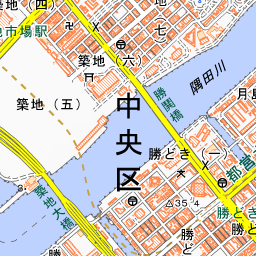
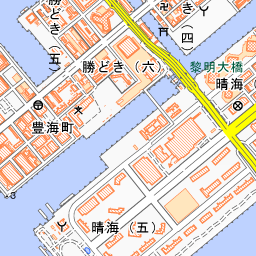
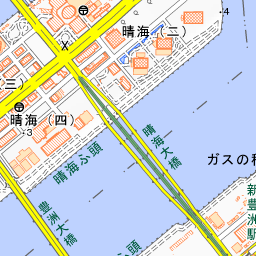
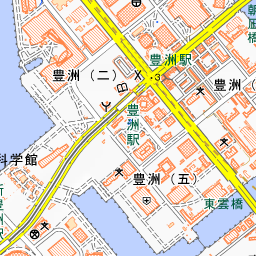
The shrine is a 5-minute walk from Tsukijishijo Station on the Toei Oedo Line. After offering a prayer toward the main hall, view the lion heads housed on both sides from the front of the hall. Even at night after the shrine office is closed, the inside of the main hall can be seen through glass doors adorned with dragon and tiger carvings. There are two weeping ginkgo trees on the grounds that serve as sacred trees. The Tsukiji Shishi Matsuri is held annually in early June, and during the hon-matsuri (main festival) held once every three years, two litters—selected from among the miyamikoshi (main shrine palanquin) and the two giant lion heads—are shouldered and paraded through the streets of Tsukiji. Tsukiji Outer Market is about 230 meters to the northwest, Kachidoki Bridge is about 270 meters to the east, and Tsukiji Hongwanji Temple is about 350 meters to the north.



Spot location © OpenStreetMap contributors (ODbL)
Open in Google MapsUse asobot while you walk
- See where you are on the map and find spots nearby
- Listen to the guide's audio in course order, one after another (with subtitles)
- Walk to the next spot while following the map
Open on your phone
Scan to open this spot in asobot on your phone.