 ✨ AI Generated
Saru-ishi Stone
Japanese: 猿石
Asuka Village, Nara
This information was written by AI and may contain mistakes. Please check official sources for opening hours, fees, and other details before you go.
Found a mistake? Let us know with “✏️ Something's wrong” on this spot's screen in asobot →
🎧 Audio guide(1:02)
In short
Saru-ishi Stone is a collective term for four stone figures, each about 1 meter tall, located within the grounds of the Tomb of Princess Kibihime in Asuka Village. They were discovered in a nearby paddy field during the Edo period and are said to have been moved to their present location during the Meiji era. These mysterious stones remain unexplained, as their purpose is still unknown.
- Four Designations: From left to right as you face them, they are called Female, Sanno Gongen, Monk, and Male.
- Charming Faces: Because they are situated inside the princess's tomb precinct, visitors observe their charming facial features through a fence.
- Different Appearances on the Reverse: A significant feature is that the front and back are carved in completely different designs. Although the reverse sides cannot be seen on-site, both sides can be observed on replicas placed in the front garden of the Asuka Historical Museum.
History and Highlights
Saru-ishi Stone refers to four stone statues located on the grounds of the tomb of Princess Kibihime. Princess Kibihime was a granddaughter of Emperor Kinmei and the grandmother of both Emperor Tenji and Emperor Tenmu. The name "Saru-ishi Stone" (Monkey Stone) is merely a popular nickname. The statues are around 1 meter in height.
In 1702, during the Edo period, the four figures were unearthed from a paddy field in Ikeda, Hirata Village, south of the Mausoleum of Emperor Kinmei. They appear to have been temporarily placed at the emperor's mausoleum before being relocated to their current site in the Meiji period.
Their creation is estimated to date back to the 7th century, during the Asuka period. However, detailed facts remain unknown. Who created them and for what purpose also remains a mystery. Based on the phrase "stone demon figures" found in the Konjaku Monogatarishu, some speculate that they may have been placed as talismans to ward off evil.
A major feature of Saru-ishi Stone is the dual-sided carving, where the front and back present entirely different shapes. However, you cannot see the back of the actual stones at the site. Replicas are located in the front garden of the Asuka Historical Museum, where you can inspect both sides.
There are other stone figures speculated to have been found in the same location. One is positioned along the mountain path leading to Takatori Castle, and another is located at Koei-ji Temple.
Viewing and Experience Tips
- Arrangement of the Four Figures: From left to right facing them, they are arranged in the order of Female, Sanno Gongen, Monk, and Male. These designations were given based on their appearance. Take a look and compare why each statue received its particular name.
- Charming Faces: A highlight of Saru-ishi Stone is their charming facial features. Because they are inside the royal tomb area, view them through the fence.
- See the Reverse Faces at the Asuka Historical Museum: The backs of the actual statues cannot be seen on-site. You can check the differences between the two sides via the replicas in the front garden of the Asuka Historical Museum.
Tips for Exploring
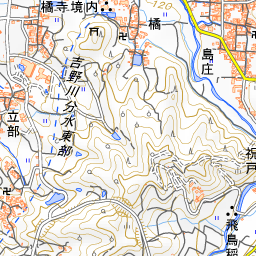
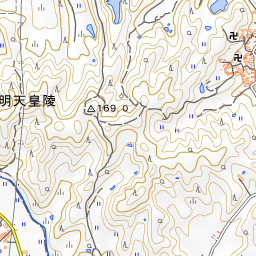
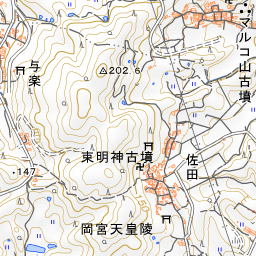
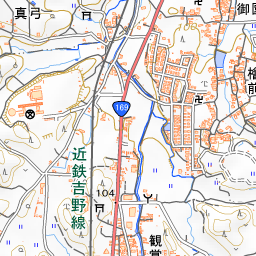
It is a 5 to 10-minute walk from Kintetsu Asuka Station. The Tomb of Princess Kibihime is adjacent to the southwest of the Hirata Umeyama Kofun Burial Mound, which is regarded as the Mausoleum of Emperor Kinmei. A walking route of about 5 kilometers exploring stone structures starts from Asuka Station, comes to this site first, then proceeds to Oni-no-Setchin, Kame-ishi Stone, Tachibana-dera Temple, and Ishibutai Kofun Burial Mound. Nearby sites include Oni-no-Setchin about 510 meters to the east, the Mausoleum of Emperor Tenmu and Empress Jito about 760 meters to the east, and Kengoshizuka Kofun Burial Mound about 690 meters to the west-southwest.
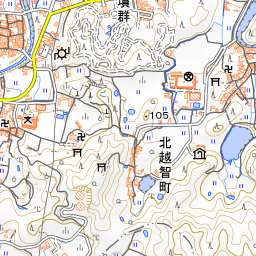
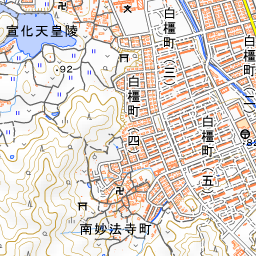
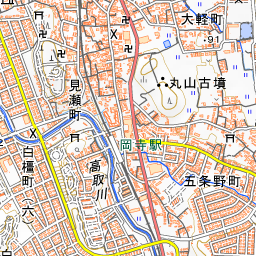
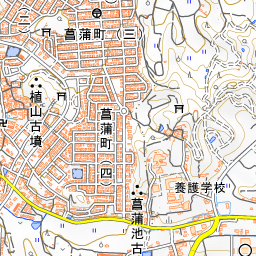

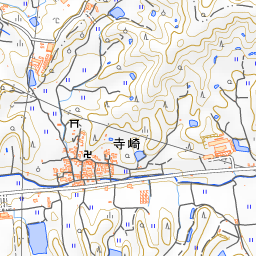
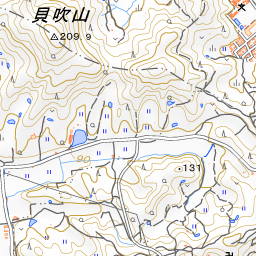
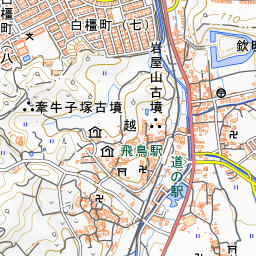
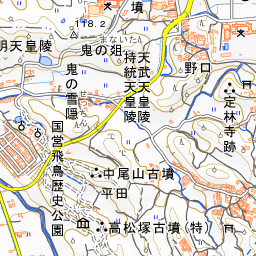
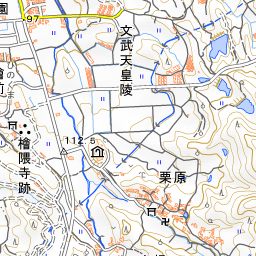
Spot location © OpenStreetMap contributors (ODbL)
Open in Google MapsUse asobot while you walk
- See where you are on the map and find spots nearby
- Listen to the guide's audio in course order, one after another (with subtitles)
- Walk to the next spot while following the map
Open on your phone
Scan to open this spot in asobot on your phone.