 ✨ AI Generated
Yoshimine-dera Temple
Japanese: 善峯寺
Nishikyo Ward, Kyoto
This information was written by AI and may contain mistakes. Please check official sources for opening hours, fees, and other details before you go.
Found a mistake? Let us know with “✏️ Something's wrong” on this spot's screen in asobot →
🎧 Audio guide(1:07)
In short
The 20th stop on the Saigoku Kannon Pilgrimage, located halfway up Kyoto's Nishiyama mountains, and an independent temple of the Tendai sect. Its history began in 1029, when Gensan Shonin enshrined a Thousand-Armed Kannon that he had carved himself in a small hall, and in the Edo period, the current Kannon-do hall and other halls were restored with the support of Keishoin. The route bus to Yoshimine-dera Temple was discontinued in May 2025.
- Yuryu Pine: A Japanese white pine over 600 years old, designated as a national Natural Monument. Its main trunk stretches horizontally as if crawling across the ground, and because it resembles a dragon at play, it was named "Yuryu" (playing dragon)
- Tahoto Pagoda and Halls Associated with Keishoin: The Tahoto pagoda, built in 1621, is a national Important Cultural Property. The Yakushi Nyorai in the Yakushi-do hall is known as the "Shusse Yakushi" (Medicine Buddha of Success)
- Seasonal Flowers and Kyoto City Views: Weeping cherry trees in spring, hydrangeas from mid-June to early July, and autumn leaves adorn the grounds. From the front of the Yakushi-do hall, you can enjoy a panoramic view of the Kyoto cityscape
History and Highlights
Yoshimine-dera Temple is a temple located halfway up Kyoto's Nishiyama mountains and serves as the 20th stop on the Saigoku Kannon Pilgrimage. It is an independent temple of the Tendai sect. Its history began in 1029, during the mid-Heian period, when Gensan Shonin, who had studied under Eshin Sozu (Genshin) at Mt. Hiei, entered this mountain at the age of 47 and enshrined a Thousand-Armed Kannon that he had carved himself in a small hall. In 1034, it became an imperial prayer hall for Emperor Go-Ichijo, and in 1192, it was bestowed the plaque bearing the current name "Yoshimine-dera" by Emperor Go-Toba.
During the Muromachi period, the temple housed as many as 52 monks' residences, but most were burned down in the Onin War. In the Edo period, Keishoin, the birth mother of the fifth Tokugawa shogun, Tokugawa Tsunayoshi, became a major patron, helping to restore the current Kannon-do hall, bell tower, Goma-do hall, Yakushi-do hall, and Kyo-do hall. According to tradition, Keishoin was born after her father prayed to the Yakushi Nyorai (Medicine Buddha) at this temple, and from this tale, the Yakushi Nyorai in the Yakushi-do hall is known as the "Shusse Yakushi" (Medicine Buddha of Success).
Sights and Experience Highlights
- Yuryu Pine: A Japanese white pine over 600 years old, designated as a national Natural Monument. Its main trunk stretches horizontally as if crawling across the ground, and because it resembles a dragon at play, it was named "Yuryu" (playing dragon) in 1857. Although part of it was pruned in 1994 due to pine sawyer beetle damage, it still has a total length of 37 meters.
- Tahoto Pagoda and Halls Associated with Keishoin: The Tahoto pagoda, built in 1621, is designated as a national Important Cultural Property and enshrines Aizen Myoo. The main hall, Kannon-do, was rebuilt in 1692 through a donation by Keishoin. There is also a bell tower with the "Bell of Warding off Evil," donated by Keishoin during Tsunayoshi's unlucky year (yakudoshi).
- Seasonal Flowers and Kyoto City Views: The 30,000-tsubo (approx. 99,000-square-meter) precinct is designed as a stroll garden. The grounds are adorned in spring by a weeping cherry tree over 300 years old, said to have been planted by Keishoin; from mid-June to early July by approximately 8,000 hydrangeas in the Hakusan Cherry and Hydrangea Garden; and in autumn by vibrant autumn leaves. From the front of the Yakushi-do hall, you can enjoy a panoramic view of the Kyoto cityscape.
Walking Tips
The grounds spread across the mountain slope, with continuing stone steps and slopes. Following the visiting route to complete a full circuit takes about 30 to 40 minutes, so please wear comfortable walking shoes and visit with plenty of time. The route bus to Yoshimine-dera Temple was discontinued in May 2025, and it takes over 40 minutes to walk from the nearest bus stop. From Mukomachi Station on the JR Line, it takes about 20 minutes by taxi. Down the mountain, about 1.3 kilometers to the northeast, lies Jurin-ji Temple.


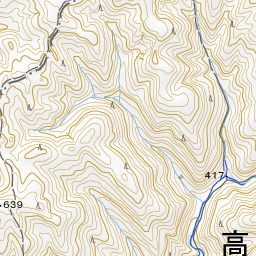
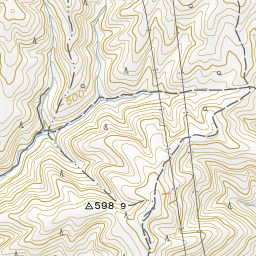
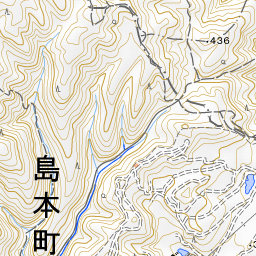


Spot location © OpenStreetMap contributors (ODbL)
Open in Google MapsGuides that include this spot (1)
Use asobot while you walk
- See where you are on the map and find spots nearby
- Listen to the guide's audio in course order, one after another (with subtitles)
- Walk to the next spot while following the map
Open on your phone
Scan to open this spot in asobot on your phone.