 ✨ AI Generated
Oharano-jinja Shrine
Japanese: 大原野神社
Nishikyo Ward, Kyoto
This information was written by AI and may contain mistakes. Please check official sources for opening hours, fees, and other details before you go.
Found a mistake? Let us know with “✏️ Something's wrong” on this spot's screen in asobot →
🎧 Audio guide(1:13)
In short
A Shinto shrine at the eastern foot of Mt. Oshio in the Nishiyama area. It began in 784, when Emperor Kanmu moved the capital to Nagaoka-kyo and enshrined at this site the deities of Nara's Kasuga Taisha Shrine, the tutelary deities of the Fujiwara clan, and it has been called "Kyo-Kasuga" since that time.
- Kasuga-zukuri Main Hall and Deer Statues: The main hall, with four identical buildings lined up side by side under cypress bark roofs (hiwadabuki), is a Tangible Cultural Property of Kyoto City. In front of the main hall, statues of a stag and a doe stand guard instead of lion-dogs (komainu)
- Koisawa Pond and Sengan-zakura: The pond, modeled after Sarusawa Pond in Nara, is spanned by a vermilion bridge. Near the pond, Sengan-zakura is called the "phantom cherry blossom" because its full bloom lasts for only about three days
- A Shrine Connected to Murasaki Shikibu: Murasaki Shikibu revered this shrine as her clan's guardian deity, and the "Miyuki" (The Imperial Progress) chapter of The Tale of Genji depicts the glamorous procession of Emperor Reizei heading toward Oharano
History and Highlights
Oharano-jinja Shrine is a Shinto shrine located at the eastern foot of Mt. Oshio in the Nishiyama area. Its origins date back to 784, when Emperor Kanmu relocated the capital to Nagaoka-kyo and enshrined the deities of Nara's Kasuga Taisha Shrine—the tutelary deities of the Fujiwara clan—at this site, leading it to be called "Kyo-Kasuga" since that time. In 850, Emperor Montoku, whose grandfather was Fujiwara no Fuyutsugu, constructed magnificent shrine buildings. Even after the capital moved to Heian-kyo, it was counted among the Twenty-Two Shrines that were particularly revered by the Imperial Court.
When daughters were born into the Fujiwara clan, prayers were offered at this shrine wishing for them to become an imperial consort or empress; when these wishes were granted, grand processions were organized to pay visits of thanksgiving. In 1005, Empress Shoshi visited the shrine accompanied by her father, Fujiwara no Michinaga, as well as Murasaki Shikibu and others. Murasaki Shikibu revered this shrine as her clan's guardian deity, and in the "Miyuki" (The Imperial Progress) chapter of The Tale of Genji, the glamorous procession of Emperor Reizei heading toward Oharano is depicted. It is also known that when Empress Fujiwara no Takaiko, consort of Emperor Seiwa, visited the shrine, her attendant Ariwara no Narihira composed a waka poem here.
Sights and Experiences
- Kasuga-zukuri Main Hall and Deer Statues: The main hall consists of four identical buildings in the ikken-sha kasuga-zukuri (single-bay Kasuga) style lined up side by side, featuring cypress bark roofs (hiwadabuki), and is designated as a Tangible Cultural Property of Kyoto City. Wakamiya-sha, an auxiliary shrine, is considered the oldest structure on the grounds, dating back to 1701. Because deer are the messengers of the Kasuga deities, statues of a stag and a doe guard the front of the main hall instead of the usual lion-dogs (komainu).
- Koisawa Pond and Sengan-zakura: Modeled after Sarusawa Pond in Nara, Koisawa Pond is spanned by a vermilion bridge, where Japanese irises (kakitsubata) and water lilies bloom. Near the pond stands Sengan-zakura, a weeping cherry tree that produces an abundance of flower buds; it is called the "phantom cherry blossom" because its full bloom lasts for only about three days.
- Tunnel of Autumn Leaves: Stretching straight for about 200 meters from the first torii gate to the third torii gate, the approach turns into a tunnel of autumn foliage in fall. It has been celebrated in poetry as a famous spot for autumn leaves since the Heian period.
Visitor Tips
Take a Hankyu Bus for about 20 minutes from JR Mukomachi Station or Hankyu Higashi-Muko Station, get off at the final stop, Minamikasuga-cho, and walk toward the mountain for about 7 to 8 minutes. From JR Katsuragawa Station or Hankyu Rakusaiguchi Station, you can also take Kyoto City Bus route Nishi 9 (West 9) to Minamikasuga-cho. Nearby are Shobo-ji Temple and Shoji-ji Temple (Hana-no-Tera); Shobo-ji Temple is about 300 meters to the south, and Shoji-ji Temple (Hana-no-Tera) is about 400 meters to the west. Both can be visited together on foot.
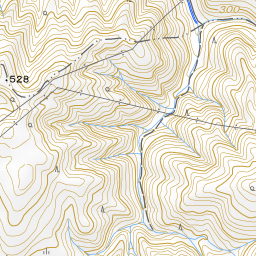
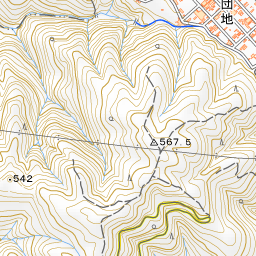


Spot location © OpenStreetMap contributors (ODbL)
Open in Google MapsGuides that include this spot (1)
Use asobot while you walk
- See where you are on the map and find spots nearby
- Listen to the guide's audio in course order, one after another (with subtitles)
- Walk to the next spot while following the map
Open on your phone
Scan to open this spot in asobot on your phone.