 ✨ AI Generated
Ninenzaka Slope
Japanese: 二年坂
Higashiyama Ward, Kyoto
This information was written by AI and may contain mistakes. Please check official sources for opening hours, fees, and other details before you go.
Found a mistake? Let us know with “✏️ Something's wrong” on this spot's screen in asobot →
🎧 Audio guide(1:13)
In short
A path of stone pavements and stone stairs on the way to Kiyomizu-dera Temple, its name also written as "二寧坂" (Nineizaka). It became popularly known as Ninenzaka Slope because it lies just before Sannenzaka Slope. Together with Sannenzaka Slope, the area is included in Kyoto City's Sanneizaka Preservation District for Groups of Traditional Buildings.
- Sukiya-style Townscape: The houses feature elaborate sukiya-style designs, and each house expresses its individuality through the shapes of its windows and the railings on its second floor. The townscape took its current form in the early Taisho period
- Site of Takehisa Yumeji's Former Residence: Around the middle of the slope, there is a stone monument inscribed with "竹久夢二寓居の跡" (Site of Takehisa Yumeji's Temporary Residence). Takehisa Yumeji boarded here through an acquaintance's introduction in February 1917 (Taisho 6) and lived here for about two months
- Connection with Ichinenzaka Slope: Ichinenzaka Slope, located before Ninenzaka Slope, was paved in 1992 (Heisei 4). It is said that the character "念" (prayer/thought) was used instead of "年" (year) to reflect the idea of praying for the blessings of Kiyomizu
History and Highlights
Ninenzaka Slope is a path of stone pavements and stone stairs leading toward Kiyomizu-dera Temple, and its name is also written as "二寧坂" (Nineizaka). Among the paths leading from Yasaka to Kiyomizu-dera Temple, it is a smaller slope that connects ahead of Sannenzaka Slope, which is a steep stone-paved slope. While the slope itself has existed since ancient times, it became popularly known as Ninenzaka Slope because it lies just before Sannenzaka Slope.
Together with Sannenzaka Slope, the slope area is included in Kyoto City's Sanneizaka Preservation District for Groups of Traditional Buildings. Along the stone steps of Sanneizaka Slope and Ninenzaka Slope, as well as along the curving stone-paved slope, machiya (traditional townhouses) dating from the end of the Edo period through the Taisho period stand side by side. Combined with historic temples and shrines such as Hokan-ji Temple and Kodai-ji Temple, they create an exceptional historic scenic beauty. This scenery, with traditional buildings lining the stone-paved slope, has been preserved through the efforts of local residents.
Viewing and Experience Points
- Sukiya-style Townscape: The houses near Ninenzaka Slope feature elaborate sukiya-style designs. Unlike typical townhouses in the city center, each house expresses its individuality through the shapes of its windows and the railings on its second floor. The townscape took its current form in the early Taisho period.
- Site of Takehisa Yumeji's Former Residence: Around the middle of the slope, there is a stone monument inscribed with "竹久夢二寓居の跡" (Site of Takehisa Yumeji's Temporary Residence). Takehisa Yumeji, who took the world by storm with his lyrical illustrations of beautiful women in magazines, boarded here through an acquaintance's introduction in February 1917 (Taisho 6) and lived here for about two months.
- Connection with Ichinenzaka Slope: Heading south along Nene-no-Michi Path, a narrow stone-paved path continuing to the left is Ichinenzaka Slope; passing through it and turning right leads to Ninenzaka Slope. Ichinenzaka Slope was paved in 1992 (Heisei 4) and was named for being located before Ninenzaka Slope. It is said that the character "念" (prayer/thought) was used instead of "年" (year) to reflect the idea of praying for the blessings of Kiyomizu.
Walking Tips
Ninenzaka Slope is a gently sloping path with about 15 stone steps. Going south about 190 meters brings you to Sannenzaka Slope, and further on leads to Kiyomizu-dera Temple. About 150 meters to the west is Hokan-ji Temple (Yasaka Pagoda), and about 250 meters to the north is Kodai-ji Temple. If you head north along Nene-no-Michi Path passing in front of Kodai-ji Temple's gate, you can reach Maruyama Park. It is about 400 meters from the "Kiyomizu-michi" city bus stop to the former residence monument.

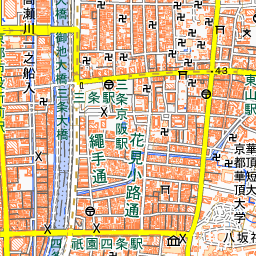


Spot location © OpenStreetMap contributors (ODbL)
Open in Google MapsGuides that include this spot (1)
Use asobot while you walk
- See where you are on the map and find spots nearby
- Listen to the guide's audio in course order, one after another (with subtitles)
- Walk to the next spot while following the map
Open on your phone
Scan to open this spot in asobot on your phone.