 ✨ AI Generated
Byodo-in Temple
Japanese: 平等院
Uji, Kyoto
This information was written by AI and may contain mistakes. Please check official sources for opening hours, fees, and other details before you go.
Found a mistake? Let us know with “✏️ Something's wrong” on this spot's screen in asobot →
🎧 Audio guide(1:02)
In short
A temple standing on the west bank of the Uji River. In 1052 (Eisho 7), during the late Heian period, Fujiwara no Yorimichi, the Kampaku (chief advisor to the Emperor), converted a villa inherited from his father Michinaga into a temple. The Amida-do Hall, completed the following year, is today's Phoenix Hall. In 1994 (Heisei 6), it was registered as a UNESCO World Cultural Heritage site as part of the "Historic Monuments of Ancient Kyoto."
- Phoenix Hall: Standing on an island in the pond, it is called the "Phoenix Hall" because its frontal appearance resembles a bird spreading its wings and because of the pair of phoenixes on its roof. The Central Hall, the Wing Corridors on both sides, and the Tail Corridor are National Treasures, and the hall is also featured in the design of the 10-yen coin
- Seated Statue of Amida Nyorai by Jocho: The principal image of the Phoenix Hall, the Seated Statue of Amida Nyorai (National Treasure), is the only extant statue confirmed beyond doubt to be the work of the Heian-period Buddhist sculptor Jocho
- Hoshokan Museum: Built mostly underground to harmonize with the garden scenery, the Hoshokan Museum lets visitors closely view National Treasures, including the original pair of phoenixes, the temple bell known as the "Byodo-in Bell of Form," and the Bodhisattvas on Clouds
History and Highlights
Byodo-in Temple is a Buddhist temple standing on the west bank of the Uji River. It was originally a villa of Minamoto no Toru, which was later acquired by Fujiwara no Michinaga. In 1052, during the late Heian period, Fujiwara no Yorimichi, the Kampaku (chief advisor to the Emperor) at the time, converted this villa inherited from his father Michinaga into a temple, founding Byodo-in Temple. This year was believed to be the first year of the Latter Day of the Law (Mappo), and Pure Land Buddhism, which sought rebirth in the Pure Land of Ultimate Bliss, was widely popular.
The following year, in 1053, the Amida-do Hall was completed. This is what is now known as the Phoenix Hall. Standing on an island in the pond, it began to be called the "Phoenix Hall" around the beginning of the Edo period because its frontal appearance resembles a bird spreading its wings, and a pair of phoenixes are perched on its roof. The Central Hall, the Wing Corridors on both sides, and the Tail Corridor are designated as National Treasures, and the hall has been featured in the design of the 10-yen coin since 1951.
The garden in front of the Phoenix Hall is a Pure Land garden representing the Heian period. The Phoenix Hall, Aji Pond, the Uji River, and the mountains on the opposite shore come together to represent the Pure Land of Ultimate Bliss yearned for by the Heian aristocracy. As the oldest Pure Land garden completed in the Heian period, it is designated as a National Historic Site and Place of Scenic Beauty. In 1994, it was registered as a UNESCO World Cultural Heritage site as part of the "Historic Monuments of Ancient Kyoto."
Points for Appreciation and Experience
- Seated Statue of Amida Nyorai by Jocho: The principal image of the Phoenix Hall, the Seated Statue of Amida Nyorai (National Treasure), was crafted by the Heian-period Buddhist sculptor Jocho, and is the only extant statue confirmed beyond doubt to be Jocho's work. It is said to demonstrate the perfected form of Japan's original joined-block wood construction (yosegi-zukuri) technique, and was later praised as the ideal form of Buddhist sculpture.
- Hoshokan Museum: Opened in 2001, the Hoshokan Museum was built mostly underground to harmonize with the garden scenery. Here, visitors can closely view National Treasures, including the original pair of phoenixes removed from the roof, the temple bell known as the "Byodo-in Bell of Form," and 26 of the 52 Bodhisattvas on Clouds playing musical instruments or dancing.
- Phoenix Hall Reflected in the Pond: The Phoenix Hall faces east, indicating that the Pure Land of Ultimate Bliss lies to the west across Aji Pond. Its reflection appears on the surface of the pond, and in the evening, the sun sets behind the Phoenix Hall.
Walking Tips
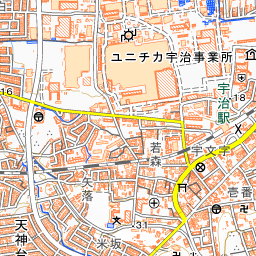
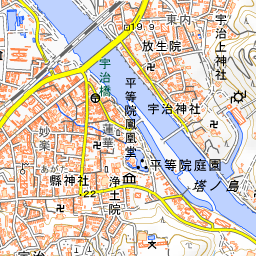
It is about a 10-minute walk from both Uji Station on the Keihan Uji Line and Uji Station on the JR Nara Line. To reach the front gate, you will walk along Byodo-in Omotesando, which is lined with long-established Uji Tea shops and eateries. On the temple grounds, there is also the "Ogi no Shiba" (Fan Turf), where Minamoto no Yorimasa committed ritual suicide. You can combine your visit with a walk to the nearby Uji Bridge, Taiho-an Teahouse, Kyoto Prefectural Uji Park, and across the Uji River to Uji-jinja Shrine and Ujigami-jinja Shrine.
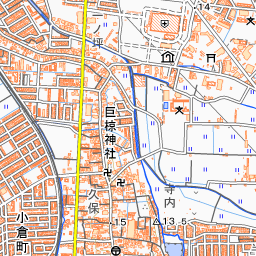
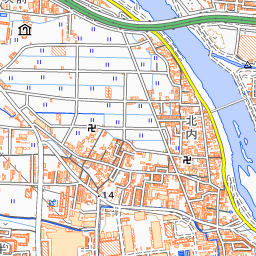
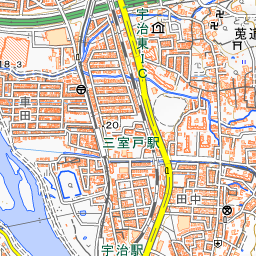
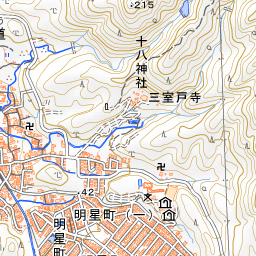
Spot location © OpenStreetMap contributors (ODbL)
Open in Google MapsGuides that include this spot (1)
Use asobot while you walk
- See where you are on the map and find spots nearby
- Listen to the guide's audio in course order, one after another (with subtitles)
- Walk to the next spot while following the map
Open on your phone
Scan to open this spot in asobot on your phone.