 ✨ AI Generated
Sakai Denshokan
Japanese: 堺伝匠館
Sakai Ward, Sakai, Osaka
This information was written by AI and may contain mistakes. Please check official sources for opening hours, fees, and other details before you go.
Found a mistake? Let us know with “✏️ Something's wrong” on this spot's screen in asobot →
🎧 Audio guide(1:05)
In short
A facility that brings together the traditional industries of Sakai under one roof, officially named the Sakai Traditional Crafts Museum. Sakai's cutlery-making history is long, and it is said that around the 5th century, people skilled in iron production were gathered from various regions to construct burial mounds. Sakai Uchihamono (forged cutlery) was designated as a traditional craft by the national government in 1982, and it is characterized by a division of labor in which three processes, "blacksmithing," "sharpening," and "attaching handles," are each handled by different artisans.
- Sakai Cutlery Museum CUT: This exhibition museum on the second floor introduces the history of Sakai as it developed as a cutlery city, the manufacturing process behind Sakai Uchihamono, and the skills of the craftspeople. Highlights include a belt hammer that was actually used from around 1950 (Showa 25), and "HIBANA," a symbolic sculpture created by cutlery craftspeople using about 300 knife blanks
- TAKUMI EXHIBITION: Also on the second floor, this traditional industry exhibition area introduces the manufacturing methods, history, and artisans' dedication behind chusen dyeing and wazarashi, incense, rugs (dantsu), Sakai carp streamers (Sakai Satsuki Koinobori), and more. Demonstrations by artisans and hands-on experience events are also held regularly
- TAKUMI SHOP: The shop on the first floor features kitchen knives and sharpening stones from 24 Sakai cutlery businesses, and sharpening demonstrations by cutlery craftspeople are also held regularly. Items connected to Sakai, such as tenugui hand towels, incense, kelp products, and Japanese sweets, are also available
History and Highlights
Sakai Denshokan is a facility that brings together the traditional industries of Sakai under one roof, and its official name is the Sakai Traditional Crafts Museum. When the building was renovated, public submissions were invited for a nickname, and "Sakai Denshokan" was chosen from among 138 entries. Located on the same site, the hall was previously known as the Sakai Cutlery Traditional Industry Museum and was affectionately called the "Sakai HAMONO Museum."
Sakai's cutlery-making history is long. It is said that around the 5th century, people skilled in iron production techniques were gathered from various regions to construct numerous burial mounds, including the Nintoku-tenno-ryo Kofun. When firearms and tobacco were introduced from Portugal in the 16th century, the manufacturing of firearms and tobacco-cutting knives began. Sakai's sharp tobacco knives were granted the "Sakaikiwame" seal by the Edo shogunate, spreading their fame across Japan and laying the foundation for the development of Sakai Uchihamono (forged cutlery). Sakai Uchihamono was designated as a traditional craft by the national government in 1982 and is now exported worldwide.
Sakai Uchihamono is characterized by a division of labor, where three distinct processes—blacksmithing (forging), sharpening (grinding), and attaching handles—are each handled by different artisans. Inside the facility, visitors can discover various traditional industries fostered by Sakai beyond cutlery, including chusen dyeing and wazarashi (bleached cotton), incense, kombu (kelp), rugs (dantsu), Sakai carp streamers (Sakai Satsuki Koinobori), and Japanese confectionery (wagashi).
Viewing and Experience Highlights
- Sakai Cutlery Museum CUT: This exhibition museum on the second floor introduces the history of Sakai as a thriving cutlery city, the manufacturing process behind Sakai Uchihamono, and the skills of the craftspeople through actual objects, models, and illustrations. Highlights include a belt hammer that was actually used from around 1950, and "HIBANA," a symbolic sculpture created by cutlery craftspeople using knife blanks from about 300 knives.
- TAKUMI EXHIBITION: Also on the second floor, this traditional industry exhibition area introduces the manufacturing methods, history, and artisans' dedication to chusen dyeing and wazarashi, incense, rugs (dantsu), and Sakai carp streamers. Demonstrations by artisans and hands-on experience events are also held regularly.
- TAKUMI SHOP: The shop on the first floor features kitchen knives and sharpening stones from 24 Sakai cutlery businesses, with different cutlery makers assisting with sales on a rotating daily basis. Sharpening demonstrations by cutlery craftspeople are also held regularly and can be observed up close. Items connected to Sakai, such as tenugui hand towels, incense, kelp products, and Japanese sweets, are also on display and available.
Travel Tips
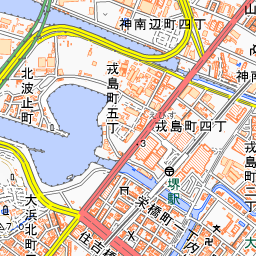
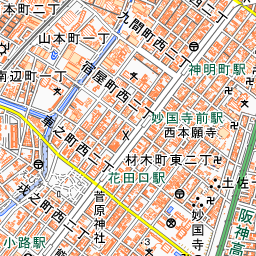
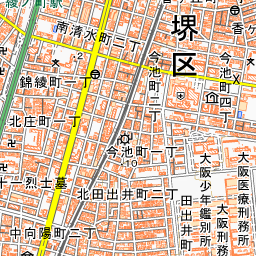
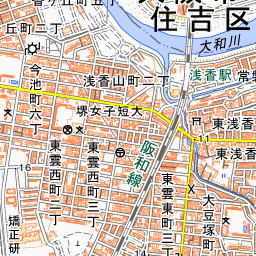
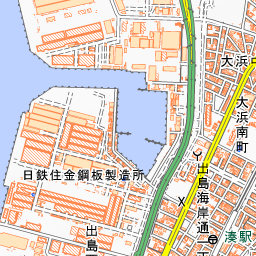
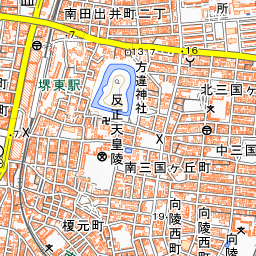
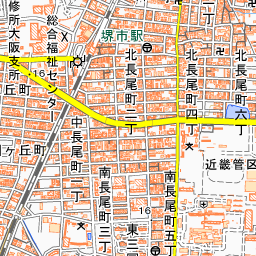
The facility is located about 100 meters southwest of Myokokuji-mae Stop on the Hankai Line, and about 1,100 meters northeast of Sakai Station on the Nankai Main Line. About 400 meters to the southeast is Myokokuji Temple, about 630 meters to the northeast is the Yamaguchi Family Residence, and about 730 meters to the south is Aguchi-jinja Shrine.




Use asobot while you walk
- See where you are on the map and find spots nearby
- Listen to the guide's audio in course order, one after another (with subtitles)
- Walk to the next spot while following the map
Open on your phone
Scan to open this spot in asobot on your phone.