 ✨ AI Generated
Sumiyoshi-taisha Shrine
Japanese: 住吉大社
Sumiyoshi Ward, Osaka
This information was written by AI and may contain mistakes. Please check official sources for opening hours, fees, and other details before you go.
Found a mistake? Let us know with “✏️ Something's wrong” on this spot's screen in asobot →
🎧 Audio guide(1:18)
In short
The head shrine of approximately 2,300 Sumiyoshi shrines nationwide, worshipped since ancient times as the Ichinomiya (first shrine) of Settsu Province. It is so familiar to the people of Osaka that they say with one voice, "Sumiyossan is the place for Hatsumode," and as many as 2 million worshippers visit during the first three days of the New Year every year. It enshrines the three gods Sokotsutsu-no-o-no-Mikoto, Nakatsutsu-no-o-no-Mikoto, and Uwatsutsu-no-o-no-Mikoto, along with Empress Jingu.
- Sumiyoshi-zukuri Main Halls: The four main hall buildings are built in a style called "Sumiyoshi-zukuri," which is said to be one of the oldest styles in the history of Shinto shrine architecture. All four are National Treasures, and the current halls were constructed in 1810 (Bunka 7) during the Edo period
- Gosho-gozen: This is said to be where the Sumiyoshi deities were first worshipped when they were enshrined. There is a belief that picking up stones inscribed with the characters "Go" (five), "Dai" (great), and "Riki" (power) and keeping them as an amulet will grant one's wishes
- Stone Lanterns and Stone Stage: There are about 600 stone lanterns within the shrine grounds, many of which were dedicated by people involved in marine transport. The stone stage donated by Toyotomi Hideyori in 1607 (Keicho 12) is a National Important Cultural Property
History and Highlights
Sumiyoshi-taisha Shrine is the head shrine of approximately 2,300 Sumiyoshi shrines nationwide and has been worshipped since ancient times as the Ichinomiya (first shrine) of Settsu Province. It is so familiar to the people of Osaka that they often say, "Sumiyossan is the place for Hatsumode (New Year's shrine visit)," and as many as 2 million worshippers visit during the first three days of the New Year every year.
The deities enshrined here are the three gods—Sokotsutsu-no-o-no-Mikoto, Nakatsutsu-no-o-no-Mikoto, and Uwatsutsu-no-o-no-Mikoto—along with Empress Jingu. The three gods emerged from the sea when Izanagi-no-Mikoto performed a purification ritual (misogi-harae) and are regarded as deities presiding over "harae" (purification), the most essential concept in Shinto. According to the chronicle "Teio Hennenki," the shrine's founding dates back to the 11th year of Empress Jingu's regency (211 AD). After Emperor Nintoku opened the port of Suminoe-no-tsu, the deities were revered as guardians of sea voyages—such as the envoys to the Sui and Tang courts—and in the dynastic court period, they were also venerated as gods of waka poetry and literature. The shrine was originally built just a few meters from the shore of Osaka Bay, though the coastline has since moved about 7 km to the west.
The four main hall buildings (honden) are built in an architectural style called "Sumiyoshi-zukuri," which is said to be one of the oldest styles in the history of Shinto shrine architecture. All four are designated as National Treasures, and the current halls were constructed in 1810 during the Edo period. The unique arrangement—where the First to Third Main Halls stand in a single vertical line, with the Third and Fourth Main Halls placed side by side—is likened to a fleet of ships sailing across the vast ocean. All the main halls face west toward Osaka Bay.
Viewing and Experience Highlights
- Sumiyoshi-zukuri Main Halls: The straight gabled roofs are thatched with cypress bark (hiwadabuki), featuring a tsumairi style where the gable ends face the front. Distinctive features include vermilion-painted pillars, white gofun (shell-powder pigment) painted wooden plank walls, and the complete absence of surrounding corridors.
- Gosho-gozen: Located south of the First Main Hall, this sacred site is said to be where the Sumiyoshi deities were first worshipped when they were enshrined approximately 1,800 years ago. There is a popular belief that gathering three stones inscribed with the characters for "Go" (five), "Dai" (great), and "Riki" (power) and carrying them as an amulet will grant one's wishes.
- Stone Lanterns and Stone Stage: There are about 600 stone lanterns within the shrine grounds, many of which were dedicated by people involved in marine transport. The stone stage, donated in 1607 by Toyotomi Hideyori, is designated as a National Important Cultural Property alongside structures such as the South Gate.
Walking Tips
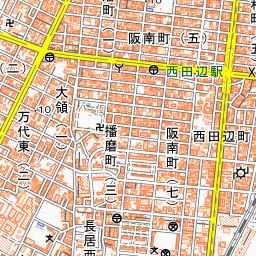
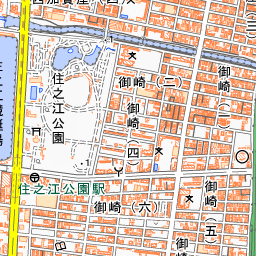
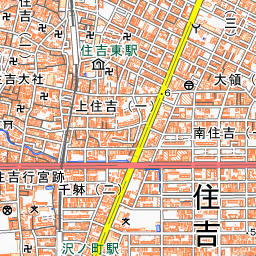
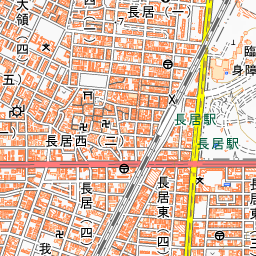
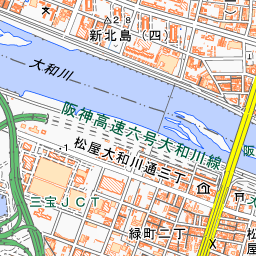
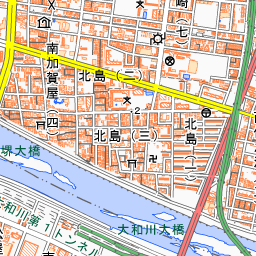
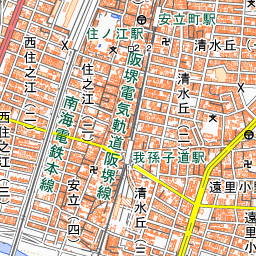
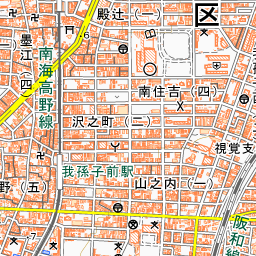
The shrine is a 3-minute walk east from Sumiyoshi-taisha Station on the Nankai Main Line, and just steps away from Sumiyoshi-Torii-mae Station on the Hankai Line. In a formal visit, worshippers cross the Sorihashi (arched bridge) spanning the sacred pond, purify their hands and mouths at the temizuya water pavilion, and then proceed to pray at the four main halls. This takes about 20 minutes. During the Hattatsu-mairi held on the first Day of the Dragon each month, it is customary to visit four auxiliary shrines: Tanekashi-sha Shrine, Nankun-sha Shrine, Asazawa-sha Shrine, and Otoshi-sha Shrine.


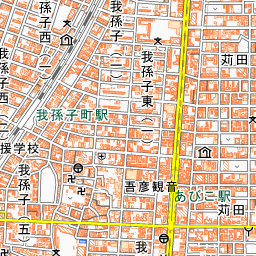
Spot location © OpenStreetMap contributors (ODbL)
Open in Google MapsGuides that include this spot (1)
Use asobot while you walk
- See where you are on the map and find spots nearby
- Listen to the guide's audio in course order, one after another (with subtitles)
- Walk to the next spot while following the map
Open on your phone
Scan to open this spot in asobot on your phone.