 ✨ AI Generated
Chugu-ji Temple
Japanese: 中宮寺
Ikaruga Town, Nara
This information was written by AI and may contain mistakes. Please check official sources for opening hours, fees, and other details before you go.
Found a mistake? Let us know with “✏️ Something's wrong” on this spot's screen in asobot →
🎧 Audio guide(1:08)
In short
Chugu-ji Temple is a nunnery founded by Prince Shotoku for his mother, Empress Anahobe no Hashihito. The principal image, the National Treasure Bosatsu Hankazo (traditionally identified as Nyoirin Kannon), is also referred to as one of the "three great smiling figures of the world" because of the gentleness of its facial expression. It is located about 360 meters east of Horyu-ji Temple.
- Bosatsu Hankazo: A statue depicted in contemplation, with the fingertips of its right hand lightly touching its cheek.
- Tenjukoku Mandara Shucho: An embroidery made at the request of Prince Shotoku's consort, Tachibana no Oiratsume, after his death. It is known as Japan's oldest surviving embroidery artifact, and a replica is enshrined in the main hall.
- Yamato Sanmonzeki: A nunnery of imperial status (amamonzeki) that welcomed princesses from imperial branches, and the oldest among the Yamato Sanmonzeki.
History and Highlights
Chugu-ji Temple is a nunnery built by Prince Shotoku for his mother, Empress Anahobe no Hashihito, who passed away in 621. Her palace residence was converted into a Buddhist temple. Founded during the Asuka period, the temple was originally located about 500 meters east of its current site. Roof tiles of the same mold as those from Horyu-ji Temple's Wakakusa Garan have been excavated from the former site, leading to the belief that Horyu-ji Temple and Chugu-ji Temple existed in a pair relationship as a monastery and a nunnery.
In the Heian period, the temple fell into decline. It was revived during the Kamakura period by the nun Shinnyo Bikuni. In 1274, she discovered the missing Tenjukoku Mandara Shucho in the Kofuzo storehouse of Horyu-ji Temple and brought it back to Chugu-ji Temple. She dedicated herself to the revival by repairing the embroidery, having a replica made, and restoring the pagoda and main hall (Kondo).
During the Tenbun era (1532–1555), Princess Sonchi entered the temple. Thereafter, Chugu-ji Temple continued to welcome imperial princesses and became an amamonzeki temple. Counted alongside Ensho-ji Temple and Hokke-ji Temple as one of the Yamato Sanmonzeki, it is the oldest established nunnery among them. The current main hall was designed by the architect Yoshida Isoya and built in the 1960s. It is a sturdy main hall engineered to withstand fires and powerful earthquakes.
Viewing and Experience Highlights
- Bosatsu Hankazo (Traditionally identified as Nyoirin Kannon): A National Treasure and the principal image, it is considered one of the finest masterpieces of the Asuka period. Its left leg hangs down while the right leg rests upon the knee. The right arm is bent with the fingertips gently touching the cheek. The gentleness of the face is regarded as a classic example of the "archaic smile" and is sometimes called one of the "three great smiling figures of the world" alongside Egypt's Sphinx and Leonardo da Vinci's Mona Lisa.
- Ebony-like Coloration: The statue was constructed by joining pieces of camphor wood. It was once colored with a white pigment called gofun, but that paint has completely peeled away. Long exposure to the smoke of incense and oil lamps has given it its current ebony-like appearance.
- Tenjukoku Mandara Shucho: Following Prince Shotoku's death in 622, his consort Tachibana no Oiratsume commissioned this embroidery depicting the scene of Tenjukoku (the Land of Heavenly Longevity) where the prince was believed to have been reborn. It is known as the oldest surviving embroidery artifact in Japan. The piece displayed in the main hall is a replica; the original has been deposited with the Nara National Museum.
Travel Tips
Chugu-ji Temple is about 360 meters east of Horyu-ji Temple. Inside the main hall, the principal image is flanked by Yakushi Nyorai and Ashuku Nyorai. The soft, gentle appearance of the principal image is frequently compared to the solemn demeanor of the Guze Kannon statue in the Yumedono of Horyu-ji Temple. Comparing the two statues is one of the pleasures of visiting. Horin-ji Temple is located about 810 meters to the north.
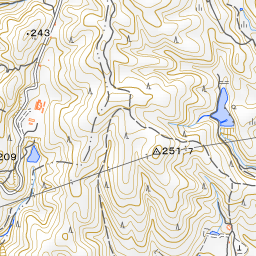
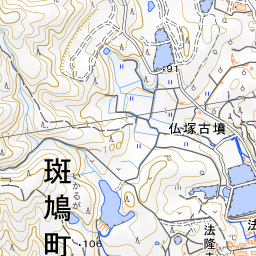
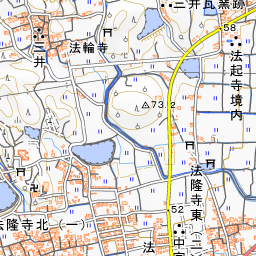
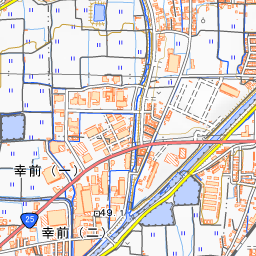
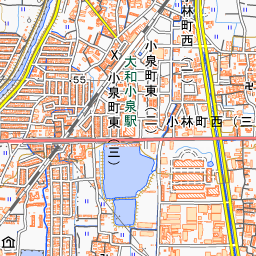
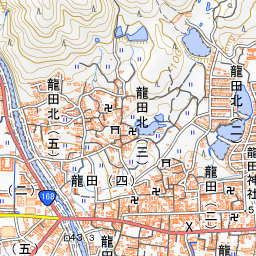
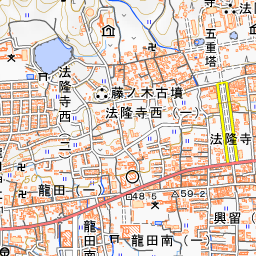
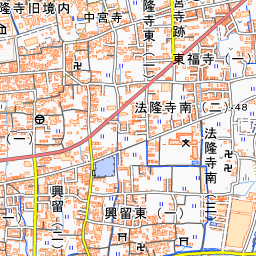

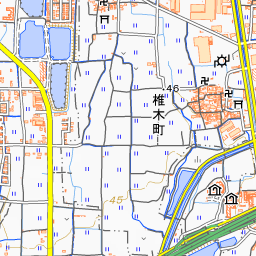
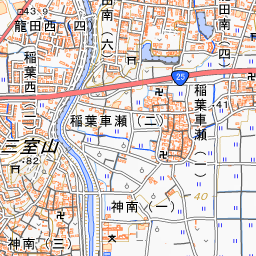
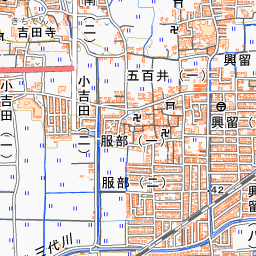
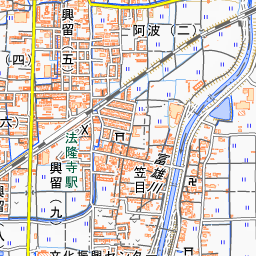
Spot location © OpenStreetMap contributors (ODbL)
Open in Google MapsGuides that include this spot (3)
- Day Trip from Kyoto and Osaka: Horyu-ji and Chugu-ji in the Morning, Todai-ji, Nara Park, and Kofuku-ji in the Afternoon
- The Village of Ikaruga: From Fujinoki Kofun Burial Mound to Horyu-ji, Chugu-ji, Horin-ji, and Hoki-ji Temples
- Day Trip from Osaka: From Horyu-ji Temple and Chugu-ji Temple to Yakushi-ji Temple and Toshodai-ji Temple in Nishinokyo
Use asobot while you walk
- See where you are on the map and find spots nearby
- Listen to the guide's audio in course order, one after another (with subtitles)
- Walk to the next spot while following the map
Open on your phone
Scan to open this spot in asobot on your phone.