 ✨ AI Generated
Nakaoyama Kofun Burial Mound
Japanese: 中尾山古墳
Asuka Village, Nara
This information was written by AI and may contain mistakes. Please check official sources for opening hours, fees, and other details before you go.
Found a mistake? Let us know with “✏️ Something's wrong” on this spot's screen in asobot →
🎧 Audio guide(1:02)
In short
Nakaoyama Kofun Burial Mound is an octagonal tumulus constructed at the beginning of the 8th century. It stands at the summit of a hill north of Takamatsuzuka Kofun Burial Mound, and its octagonal shape and single burial of cremated remains have led to the suggestion that it may be the mausoleum of Emperor Monmu. It is one of the component assets of the World Cultural Heritage property "Ancient Capitals of Asuka and Fujiwara."
- Three-tiered octagonal tumulus: The three-tiered mound is surrounded by three concentric rings of stone paving.
- Small stone chamber coated in vermilion: The stone chamber, measuring approximately 0.9 meters square, is entirely coated on the inside with cinnabar vermilion.
- Corner marker stones: Marker stones indicating the eight corners and an octagonal wooden fence are set within the area of the mound and stone paving.
History and Highlights
Nakaoyama Kofun Burial Mound is a tumulus situated at the top of a hill extending from east to west. Constructed at the beginning of the 8th century, it is considered the final stage of burial mounds that had continued since the Kofun period. The octagonal mound is a form that was adopted for imperial mausoleums of the Asuka period.
A survey in 1974 revealed its octagonal mound shape and the structure of the burial facility designed to hold a cinerary urn. In 2020, a full-scale investigation was conducted by the Department of Archaeology of the Faculty of Letters at Kansai University and the Asuka Village Board of Education. As a result, it was found that the three-tiered mound is surrounded by three concentric rings of outer stone paving. The central mound is over 5 meters high, and the distance between opposite sides is approximately 19.5 meters. The first and second tiers are stone masonry forming a platform, while the third tier consists of piled earth. This unusual shape and the practice of cremation are thought to strongly reflect Buddhist influences.
The burial facility is constructed from 10 megaliths. The surfaces of the stones were polished using techniques that were rare at the time. The interior, measuring approximately 0.9 meters square, is entirely coated with cinnabar vermilion, and the floor has a square depression thought to have held a cinerary urn. The total weight of the stone used is estimated at about 560 tons, and its construction is estimated to have taken about 20,000 person-days of labor, four times that of Takamatsuzuka Kofun Burial Mound.
Because it is an octagonal tumulus of the highest rank and contains a single cremated burial, it has been suggested that it could possibly be the mausoleum of Emperor Monmu. In the Edo period work Yamato Shi, it was also recorded as the mausoleum of Emperor Monmu, colloquially called "Nakao Ishibaka" (Nakao Stone Tomb). The Imperial Household Agency officially designates Hinokuma no Ako no Okanoe no Misasagi in Oaza Kurihara as the mausoleum of Emperor Monmu.
Highlights for Viewing and Experience
- Octagonal markers: Much of the earth embankment has been lost, and the current mound does not appear octagonal. Because there are marker stones indicating the corners and an octagonal wooden fence around it, you can grasp its scale.
- Lost outer stones: The mound appears to have been built with river stones, but it is said that around 1881, the large stones were sold for use as garden stones and stone walls, and the mound was broken up.
- Major construction on the hill: This tumulus was constructed by transporting about 560 tons of stone material to the hilltop. Compare the height of the hill with the arrangement of stones at your feet.
Tips for Exploring
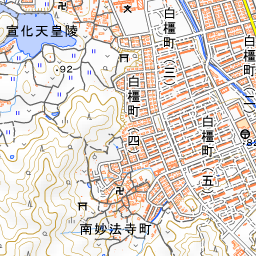
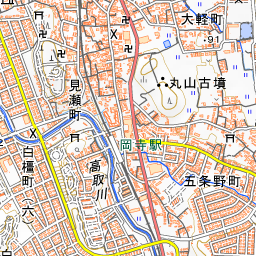
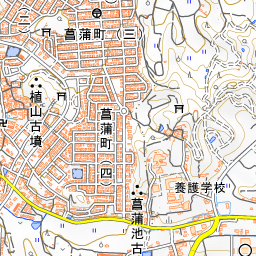
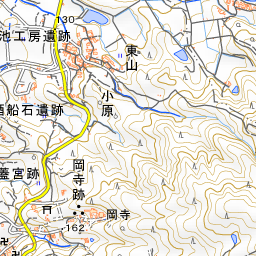
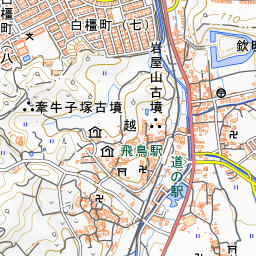
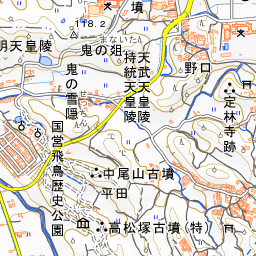
It is about a 15-minute walk from Kintetsu Asuka Station. It is recommended to walk here together with Takamatsuzuka Kofun Burial Mound, located about 220 meters to the south. About 500 meters to the north-northeast lies the Mausoleum of Emperor Tenmu and Empress Jito, which has the same octagonal shape. Those who wish to see more tumuli can extend their trip to Kitora Kofun Burial Mound, about 1.4 kilometers to the south. First, follow the marker stones on the hill to see the extent of the octagonal shape.

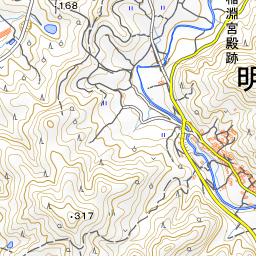
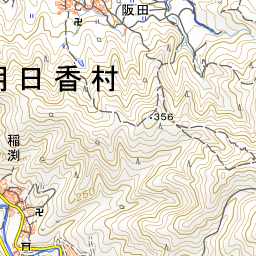
Spot location © OpenStreetMap contributors (ODbL)
Open in Google MapsGuides that include this spot (1)
Use asobot while you walk
- See where you are on the map and find spots nearby
- Listen to the guide's audio in course order, one after another (with subtitles)
- Walk to the next spot while following the map
Open on your phone
Scan to open this spot in asobot on your phone.