 ✨ AI Generated
Kannon-ji Temple
Japanese: 観音寺
Kyotanabe, Kyoto
This information was written by AI and may contain mistakes. Please check official sources for opening hours, fees, and other details before you go.
Found a mistake? Let us know with “✏️ Something's wrong” on this spot's screen in asobot →
🎧 Audio guide(1:07)
In short
Kannon-ji Temple is a temple of the Chisan School of Shingon Buddhism in the Fugenji area of Kyotanabe City, and it is also called Omido. It carries on the lineage of a large temple called Fugenji that was founded in the Nara period, and it is said to have been a major temple known as the "Great Temple of Tsutsuki."
- National Treasure Standing Statue of Eleven-Faced Kannon: The principal image is a Nara-period statue representative of Tenpyo-era Buddhist sculpture, designated a National Treasure in 1953 (Showa 28). It was made in the mokushin kanshitsu-zukuri (wood-core dry lacquer) technique and stands approximately 1.73 meters tall
- Traces of the Grand Temple: At "To no Ato" (pagoda ruins) on the hill to the west of the grounds, cloth-patterned roof tiles from the late Nara to early Heian periods lie scattered, and a large stone thought to be part of a foundation stone for a hall or pagoda has been placed
- Cherry Blossoms, Canola Flowers, and Autumn Foliage: In spring, the cherry tree-lined approach and the canola blossoms spreading all around draw the eye, and in autumn, the colorful foliage does
History and Highlights
Kannon-ji Temple, also known as Omido, is a temple of the Chisan School of Shingon Buddhism located in the Fugenji area of Kyotanabe. It carries on the lineage of a large temple called Fugenji that was founded during the Nara period.
According to temple tradition, the high priest Gien founded it at the decree of Emperor Tenmu, and later the high priest Roben expanded the temple compound at the wish of Emperor Shomu, giving it the name Sokuchozan Fugen Kyoho-ji. It is said to have been a major temple combining the three Buddhist sects of Hosso, Sanron, and Kegon, and was known as the "Great Temple of Tsutsuki." It is believed that a temple had already been established on this site by the latter half of the 7th century.
The temple suffered frequent fires, and nearly all of its buildings were lost in a fire in 1437 (Eikyo 9). The current main hall was rebuilt in 1953 (Showa 28). On a small hill just west of the main hall stands Chigi-jinja Shrine, the temple's guardian shrine.
Viewing and Experience Highlights
- National Treasure Standing Statue of Eleven-faced Kannon: The principal image, a standing statue of the Eleven-faced Kannon, is a representative Nara-period Buddhist sculpture of the Tenpyo era, designated as a National Treasure in 1953. It was crafted using the mokushin kanshitsu-zukuri (wood-core dry lacquer) technique, in which lacquer is applied thickly over a wooden core to shape the form, and finished with lacquer coating and gold leaf. It stands approximately 1.73 meters tall. There are seven Eleven-faced Kannon statues designated as National Treasures, and this statue is one of them; among these seven, only two—including this one—are said to be made using the wood-core dry lacquer technique. Its serene and calm expression is a key highlight.
- Spring Cherry Blossoms and Canola Flowers, Autumn Foliage: The main hall and garden are built to blend into the surrounding satoyama countryside. In spring, the cherry tree-lined approach and widespread canola blossoms draw the eye, while in autumn, the colorful foliage is captivating.
- Traces of the Grand Temple: On the hill to the west of the temple grounds lies an area called "To no Ato" (pagoda ruins), where cloth-patterned roof tiles (nunome-gawara) dating from the late Nara to early Heian periods are scattered. A large stone placed near the center is thought to be part of a foundation stone for a hall or pagoda. In front of the main hall, a portion of a stone tiered stupa made of shokoseki stone remains, and its form suggests it was crafted in the late Heian period.
Walking Tips
About 1 kilometer northeast, inside Doshisha University's Kyotanabe Campus, is the Doshisha University Historical Museum. About 2.5 kilometers east in Miyamaki stands Juho-ji Temple, known for its Thousand-armed Kannon, which can be visited together as part of a route touring the ancient Buddhist statues of Kyotanabe.
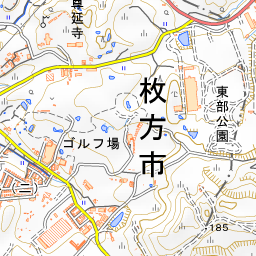


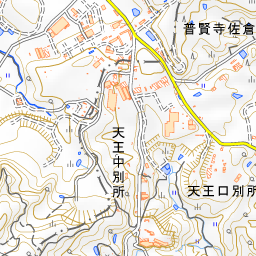


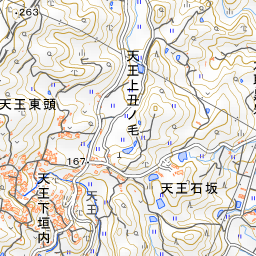
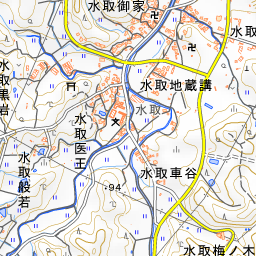
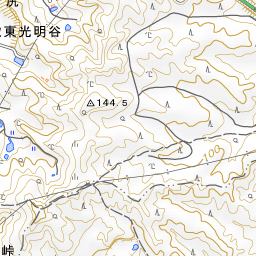


Spot location © OpenStreetMap contributors (ODbL)
Open in Google MapsUse asobot while you walk
- See where you are on the map and find spots nearby
- Listen to the guide's audio in course order, one after another (with subtitles)
- Walk to the next spot while following the map
Open on your phone
Scan to open this spot in asobot on your phone.