 ✨ AI Generated
Daihigan-ji Temple
Japanese: 大悲願寺
Akiruno, Tokyo
This information was written by AI and may contain mistakes. Please check official sources for opening hours, fees, and other details before you go.
Found a mistake? Let us know with “✏️ Something's wrong” on this spot's screen in asobot →
🎧 Audio guide(1:03)
In short
Daihigan-ji Temple is a temple of the Buzan School of Shingon Buddhism, located in Yokozawa, Akiruno City. According to temple tradition, it is said to have been founded in 1191 at the beginning of the Kamakura period. The temple preserves Buddhist statues designated as Important Cultural Properties of Japan and is also known for a tale in which Date Masamune requested its splendid white bush clovers.
- Edo-period Kannon-do Hall: A hall built in 1794, decorated with carvings and a karahafu (cusped gable) portico.
- White bush clovers associated with Masamune: The temple is known as the "Bush Clover Temple," and white bush clovers bloom across the grounds in September.
- Seasonal flowers: Visitors can enjoy blossoms and foliage in every season, including purple azaleas, peonies, crape myrtles, autumn leaves, and daffodils.
History and Highlights
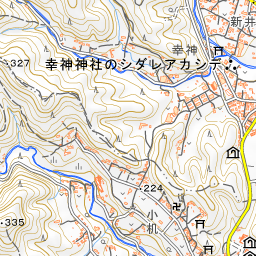
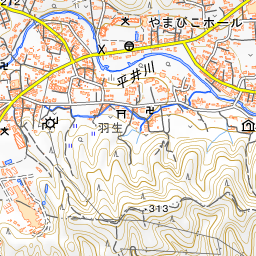
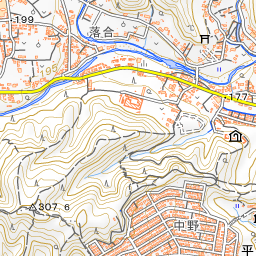
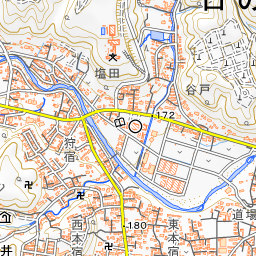
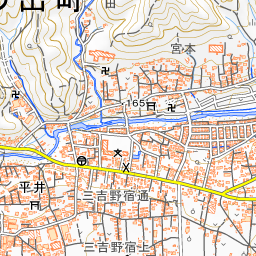
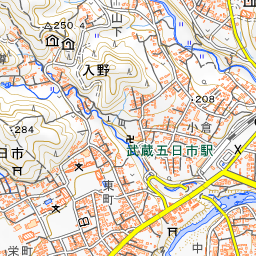
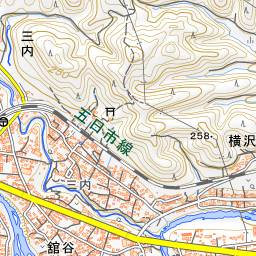
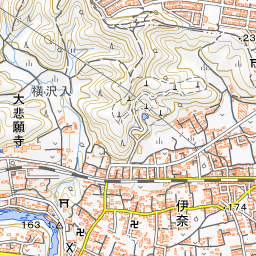
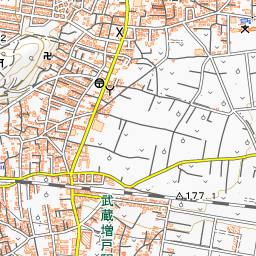
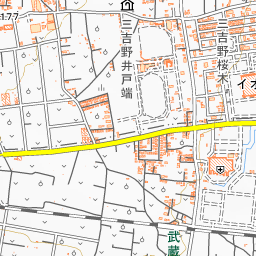
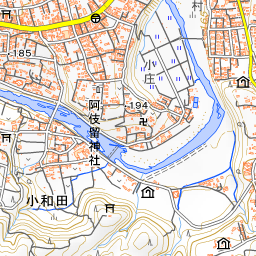
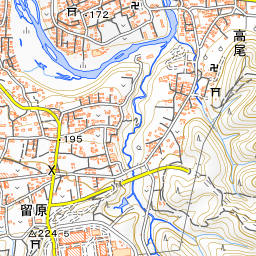
Daihigan-ji Temple is situated roughly halfway between Musashi-Masuko Station and Musashi-Itsukaichi Station on the JR Itsukaichi Line. With Akigawa Valley to the south, it is backed by the hills of Yokozawa to the north. The hills of Yokozawa are the very first area designated as a Satoyama Conservation Area in Tokyo.
According to temple tradition, Daihigan-ji Temple was founded in 1191 (Kenkyu 2) at the start of the Kamakura period, with a monk from Sanbo-in of Daigo-ji Temple in Kyoto serving as its founding priest. It is also said that Minamoto no Yoritomo became a supporting patron (dan'otsu) of the temple, and that it was erected by Hirayama Sueshige, a military commander who made a name for himself in the Genpei War. For a long time, it was a branch temple of Sanbo-in of Daigo-ji Temple, but in 1896 (Meiji 29) it became a branch temple of Hasedera Temple in Yamato. According to the chief priest, the temple has not suffered a single fire in its 800-year history.
The main hall features a shoin-zukuri architectural style and is one of the representative structures of the region. It was designated as a Tangible Cultural Property of Tokyo in 1978 (Showa 53). The Kannon-do Hall was constructed in 1794 (Kansei 6). Later, richly colored transom carvings inside the inner sanctuary and a karahafu portico were added, gradually increasing its decorative splendor. Housed within the Kannon-do Hall are the "Seated Wooden Statues of Amida Nyorai (as Traditionally Identified) and Attendants Senju Kanzeon Bosatsu and Seishi Bosatsu," an Important Cultural Property of Japan. In addition to the Kannon-do Hall, the two-story gate known as the Niomon Gate and the middle gate known as the Suzakumon Gate are also designated as municipal cultural properties.
Viewing and Experience Highlights
- The Story of the Request Letter for White Bush Clover: Approximately 400 years ago, Date Masamune, the lord of the Sendai Domain, visited this temple and was deeply moved by the splendid white bush clovers blooming across the garden. Unable to bring it up on the spot, he is said to have later sent a letter asking to be given some of the plants. This "Shirahagi Shomojo" remains preserved at the temple today, and the white bush clovers are said to reach their peak around mid-September.
- Viewing the Kannon-do Hall: The Kannon-do Hall features a karahafu portico, and the exterior carvings are also adorned with colors. In the Heisei-era restoration, the roof was covered with copper plates that preserve the beautiful curves of the original thatch, and the coloring was repainted in slightly aged tones. The underlying structure has been prepared so that it can be restored to its original thatched roof in the future.
- Enjoying Seasonal Flowers: Known as the "Bush Clover Temple" for its white bush clovers, Daihigan-ji Temple is counted among the "flower temples." In spring, purple azaleas bloom; around the May holidays, large peonies emerge; in summer, crape myrtles flower; and in autumn, the maple leaves turn vibrant colors. In winter, wild daffodils begin to bloom.
Tips for Exploring
The temple is about a 15-minute walk from Musashi-Masuko Station on the JR Itsukaichi Line. Yoko cherry blossoms bloom during the spring cherry blossom season, and the autumn foliage is also well worth a visit. The ceiling paintings in the two-story gate (Niomon Gate) are also designated as a municipal cultural property. It is also recommended to combine a visit with Akigawa Valley stretching to the south of the temple, or Kotoku-ji Temple located about 2.5 km to the southwest.
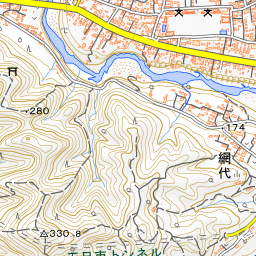
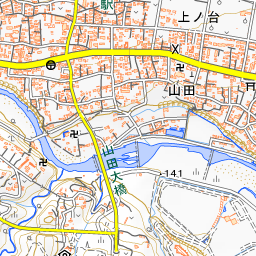
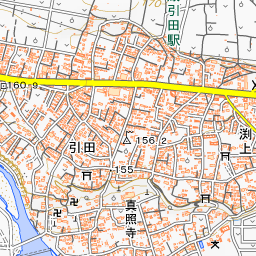
Spot location © OpenStreetMap contributors (ODbL)
Open in Google MapsUse asobot while you walk
- See where you are on the map and find spots nearby
- Listen to the guide's audio in course order, one after another (with subtitles)
- Walk to the next spot while following the map
Open on your phone
Scan to open this spot in asobot on your phone.