 ✨ AI Generated
Koishikawa Botanical Garden
Japanese: 小石川植物園
Bunkyo City, Tokyo
This information was written by AI and may contain mistakes. Please check official sources for opening hours, fees, and other details before you go.
Found a mistake? Let us know with “✏️ Something's wrong” on this spot's screen in asobot →
🎧 Audio guide(1:02)
In short
Koishikawa Botanical Garden is a botanical garden affiliated with the University of Tokyo for botanical research and education. Originating from the Koishikawa Oyaku'en (medicinal herb garden) established by the Tokugawa Shogunate in 1684 (Jokyo 1), it is the oldest botanical garden in Japan. With remnants from the Edo period and plants of historic significance, it is designated as a National Place of Scenic Beauty and Historic Site.
- Ginkgo Tree of Sperm Discovery: Known as the ginkgo tree where Hirase Sakugoro discovered sperm.
- Remains of the Medicinal Herb Garden and Sanatorium: Features the well of the Koishikawa Yojosho (sanatorium) and a monument marking the site where Aoki Kon'yo conducted trial cultivation of sweet potatoes.
- Japanese Garden and the Former Main Building of Tokyo Medical School: Features a Japanese garden originating from the grounds of the Hakusan Goten estate, as well as an Important Cultural Property building constructed in 1876 (Meiji 9).
History and Highlights
The official name of Koishikawa Botanical Garden is the Botanical Gardens, Graduate School of Science, the University of Tokyo. It is a facility of the University of Tokyo aimed at botanical research and education, and is the oldest botanical garden in Japan. It is also the birthplace of modern botany in Japan.
The site was where a shimoyashiki (suburban residence) of the Tatebayashi clan was established in 1652 (Joo 1), and it was called the Hakusan Goten. It was the residence where Tsunayoshi, who later became the 5th shogun, lived during his childhood. In 1684 (Jokyo 1), a portion of the site became a shogunal medicinal herb garden and came to be known as the "Koishikawa Oyaku'en." In 1721 (Kyoho 6), it expanded to cover the entire estate grounds, taking on nearly the same form as the current botanical garden.
In the 12th month of Kyoho 7 (January 1723 in the solar calendar), the Koishikawa Yojosho was established within the grounds. It was a medical facility intended to aid poor people. In 1735 (Kyoho 20), Aoki Kon'yo attempted the cultivation of sweet potatoes here. Following the success of this trial cultivation, sweet potatoes came to be grown nationwide.
In 1877 (Meiji 10), shortly after the University of Tokyo was founded, it became the university's botanical garden and was opened to the public. In 2012 (Heisei 24), it was designated as a National Place of Scenic Beauty and Historic Site.
Highlights for Viewing and Experiencing
- Ginkgo Tree of Sperm Discovery: In 1896 (Meiji 29), botanist Hirase Sakugoro studied the large ginkgo tree in the garden and discovered that seed-bearing plants also have sperm. The tree where the discovery was made is a female tree, and it bears many ginkgo nuts in autumn.
- Yojosho Well and Sweet Potato Trial Site: The well used at the Koishikawa Yojosho still remains. During the Great Kanto Earthquake of 1923 (Taisho 12), it served as a source of drinking water. The monument honoring Aoki Kon'yo's achievements was erected in 1921 (Taisho 10).
- Japanese Garden and Former Main Building of Tokyo Medical School: The Japanese garden located in the lower grounds originates from the garden of the Hakusan Goten, where Tsunayoshi lived in his childhood. The Former Main Building of Tokyo Medical School was built in 1876 (Meiji 9) and is the oldest surviving structure associated with the University of Tokyo. An Important Cultural Property of Japan, it was relocated here from Hongo in 1969 (Showa 44).
Walking Tips
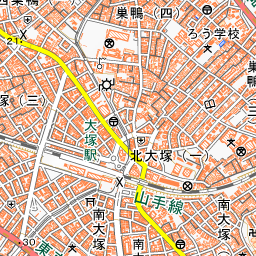
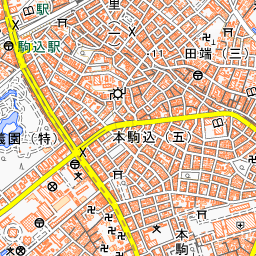
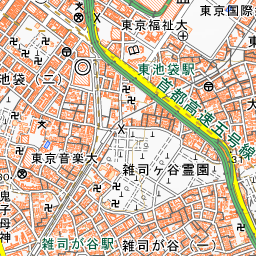
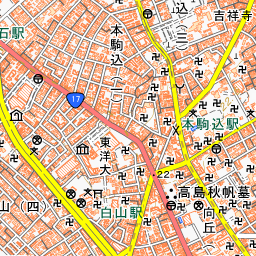
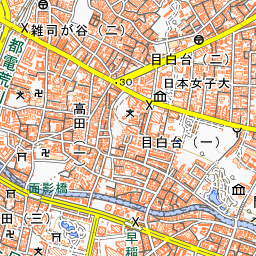
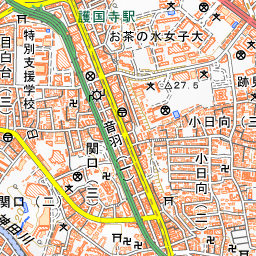
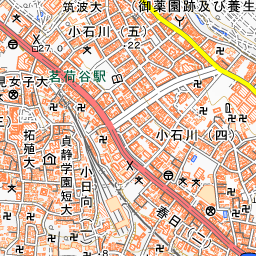
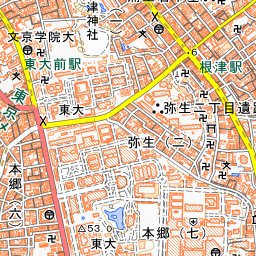
You can only enter the botanical garden through the main gate. It is about a 10-minute walk from Exit A1 of Hakusan Station on the Toei Mita Line, and about a 15-minute walk from Myogadani Station on the Tokyo Metro Marunouchi Line. There are two exit points: the main gate and near the Former Main Building of Tokyo Medical School on the northwest side. Inside the garden, there are also offshoots of an apple tree from Sir Isaac Newton's birthplace and cuttings of a grapevine used by Gregor Mendel in his experiments. Hakusan-jinja Shrine, located about 610 meters to the east, was moved to its current location from this site when Hakusan Goten was built.







Spot location © OpenStreetMap contributors (ODbL)
Open in Google MapsUse asobot while you walk
- See where you are on the map and find spots nearby
- Listen to the guide's audio in course order, one after another (with subtitles)
- Walk to the next spot while following the map
Open on your phone
Scan to open this spot in asobot on your phone.