 ✨ AI Generated
Tamaki-jinja Shrine
Japanese: 玉置神社
Totsukawa Village, Nara
This information was written by AI and may contain mistakes. Please check official sources for opening hours, fees, and other details before you go.
Found a mistake? Let us know with “✏️ Something's wrong” on this spot's screen in asobot →
🎧 Audio guide(1:06)
In short
Tamaki-jinja Shrine is a shrine located near the summit of Mt. Tamaki in Totsukawa Village. It is one of the training sites along the Omine Okugake-michi, an ascetic practice trail connecting Kumano and Yoshino, and is inscribed as a World Heritage site as part of the "Sacred Sites and Pilgrimage Routes in the Kii Mountain Range." Giant cedar trees stand within the grounds, including the Jindai Sugi cedar, said to be about 3,000 years old.
- Giant Cedar Trees: The largest giant cedar in the grounds has a circumference of 11 meters at eye level and a height of approximately 50 meters.
- Main Shrine (Honsha): Built in the irimoya (hip-and-gable) style using zelkova wood, the building is considered to preserve the architectural style from its reconstruction in the 6th year of the Kansei era.
- Tamaishi-sha Shrine: A subordinate shrine without a sanctuary building, considered to be the origin of Tamaki-jinja Shrine.
History and Highlights
Tamaki-jinja Shrine is situated near the summit of Mt. Tamaki, which rises to an elevation of 1,076 meters at the southern end of the Omine Mountain Range. Its founding is said to date back to 37 BCE during the reign of the 10th Emperor, Emperor Sujin, when Hayatama no Kami was enshrined to prevent fires in the imperial palace and drive away evil spirits. Legend also tells of it being a site visited by Emperor Jimmu during his eastern expedition.
From ancient times, it has been regarded as one of the ascetic training grounds on the route from Kumano to Yoshino. During the Heian period, it flourished under the syncretism of Shinto and Buddhism, being called Tamaki Sansho Gongen or the inner sanctuary (Oku-no-in) of the Kumano Sanzan. In the Edo period, the betto temple (administrative temple) Komuro-in was established, but following the separation of Shinto and Buddhism in the 4th year of the Keio era, it became the present-day Tamaki-jinja Shrine. Along the Omine Okugake-michi, there are prayer sites and training grounds known as the "Omine 75 Nabiki," and Mt. Tamaki is the 10th nabiki. In the past, ascetic practitioners dressed as yamabushi frequently traveled back and forth. In 2004, it was inscribed as a World Heritage site as part of the "Sacred Sites and Pilgrimage Routes in the Kii Mountain Range."
The shrine grounds of approximately 30,000 square meters have long been considered sacred, with tree cutting prohibited. Because of this, a forest of giant cedar trees grew, including the giant cedar and the Jindai Sugi cedar, which is said to be about 3,000 years old. This giant tree forest has been designated as a Natural Monument of Nara Prefecture.
Viewing and Experience Highlights
- Main Shrine and Shrine Office: The Main Shrine (Honsha) is a shrine building constructed in the irimoya style using zelkova wood. The building is believed to convey the style from its reconstruction in 1794 (the 6th year of the Kansei era), and main sanctuaries in the irimoya style are relatively rare in Nara Prefecture. The shrine office and kitchen were constructed in 1804 (the 1st year of the Bunka era) as buildings of Komuro-in and are designated as National Important Cultural Properties.
- Giant Cedar and Meoto Sugi: The largest giant cedar in the grounds measures 11 meters in circumference at eye level, rises about 50 meters in height, and reaches straight toward the sky. There is also the Meoto Sugi (Married Couple Cedar), formed by two giant tree trunks connected together.
- Tamaishi-sha Shrine: A subordinate shrine located halfway between the Main Shrine and the summit of Mt. Tamaki. It has no sanctuary building; surrounded by cedars, a partially buried black rock is encircled by white pebbles. This is regarded as the place of origin of Tamaki-jinja Shrine.
Tips for Visiting
Visitors traveling by car should park at the Mt. Tamaki parking lot. Cars cannot enter the shrine grounds, and it takes about 20 to 30 minutes to walk from the parking lot to the shrine grounds along a mountain approach path. Please wear comfortable walking shoes. On Saturdays, Sundays, national holidays, and event days, the parking lot may become full and roads can be congested. In winter, tire chains may be required due to snow accumulation and freezing, so preparations such as winter tires are necessary.
When traveling by train and bus, take the Nara Kotsu Yagi-Shingu bus to Totsukawa Onsen. From there onward, the shrine advises visitors to use a taxi on weekdays or a reservation-only bus on Saturdays, Sundays, and national holidays. Totsukawa Onsen is located approximately 5.9 kilometers to the west-northwest.
Long-term restoration work on some buildings and cultural properties has been ongoing at the shrine, and certain areas may be off-limits.


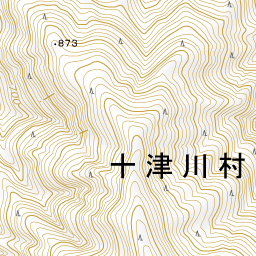
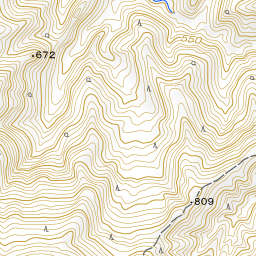
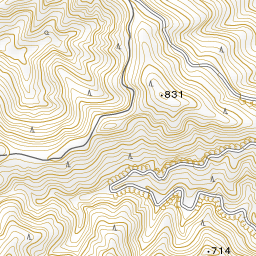
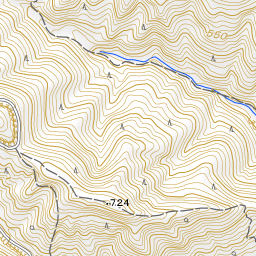
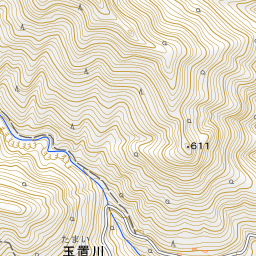
Spot location © OpenStreetMap contributors (ODbL)
Open in Google MapsGuides that include this spot (1)
Use asobot while you walk
- See where you are on the map and find spots nearby
- Listen to the guide's audio in course order, one after another (with subtitles)
- Walk to the next spot while following the map
Open on your phone
Scan to open this spot in asobot on your phone.