 ✨ AI Generated
Ominesan-ji Temple
Japanese: 大峯山寺
Tenkawa Village, Nara
This information was written by AI and may contain mistakes. Please check official sources for opening hours, fees, and other details before you go.
Found a mistake? Let us know with “✏️ Something's wrong” on this spot's screen in asobot →
🎧 Audio guide(1:08)
In short
Ominesan-ji Temple is a mountain temple standing at the summit of Mt. Sanjogatake at an elevation of 1,719 meters. Considered the fundamental training ground for Shugendo, it is included in the World Heritage site "Sacred Sites and Pilgrimage Routes in the Kii Mountain Range." Due to religious traditions, entry to Mt. Sanjogatake remains restricted to men only.
- Main Hall: A large building reconstructed during the Genroku era (1688–1704), designated as an Important Cultural Property of Japan. According to the village's information, it is considered the highest-elevation Important Cultural Property in Japan.
- Shosoin of the Mountains: An archaeological excavation conducted alongside the hall's dismantling and restoration uncovered many artifacts related to mountain worship, including two golden Buddhist statues.
- Ascetic Training Grounds (Gyoba): Nearby are Shugendo training sites such as "Kanekakeiwa Rock" and "Nishi-no-Nozoki."
History and Highlights
Ominesan-ji Temple is a mountain temple located at the summit of Mt. Sanjogatake (1,719 meters), the main northern peak of the Omine Mountain Range. According to guidance from Tenkawa Village, its history began in 672 when En no Gyoja, after rigorous ascetic practices, received a vision of Kongo Zao Daigongen and built the Zao-do Hall.
Mt. Sanjogatake was historically also known as Mt. Kinpu and has long attracted deep religious devotion. From the early Heian period, members of the imperial family and aristocracy, including Retired Emperor Seiwa, Retired Emperor Uda, and Fujiwara no Michinaga, made pilgrimages here. While the Zao-do Hall of Kinpusen-ji Temple on Mt. Yoshino was called the lower-mountain Zao-do (Sange Zao-do), this hall was called the mountaintop Zao-do (Sanjo Zao-do), serving as the fundamental training ground for Omine Shugendo.
The current Main Hall was rebuilt during the Genroku era (1688–1704) after a fire in Tenbun 3 (1534). It is a large wooden structure with a hipped roof (yosemune-zukuri) and is designated as a national Important Cultural Property. Excavations conducted during its dismantling and repair between 1983 and 1986 revealed that a main hall already existed here as early as the early Heian period. Numerous artifacts related to mountain worship have been unearthed, including two golden Buddhist statues. The village's information states that these statues are highly likely to have been donated by Emperor Uda. Because of the wealth of artifacts found, this location is also called the "Shosoin of the Mountains."
Key Viewing and Experience Points
- Season When the Main Hall Opens: The doors of the Main Hall are open for 143 days each year, from the Toakeshiki (door-opening ceremony) on May 3 to the Tojimeshiki (door-closing ceremony) on September 23. A statue of Zao Gongen, the hidden principal image (hibutsu), is enshrined in the inner sanctuary of the hall.
- Ascetic Training Sites: Nearby training spots include "Aburakoboshi," "Kanekakeiwa Rock," "Nishi-no-Nozoki," and the "Tainai-kuguri" of the rear training grounds. Kanekakeiwa is known as a rock face that climbers scale using chains, while Nishi-no-Nozoki is famous for holding practitioners upside down over a sheer cliff.
- Summit View: From the alpine flower field (Ohanabatake) at the summit, you can overlook Mt. Inamuragatake and the Omine Okugake-michi. Views of Mt. Misen and Mt. Hakkyogatake can also be enjoyed.
Walking Tips
Due to religious tradition, the Mt. Sanjogatake area remains under a ban on women entering (nyonin kinsei), permitting only men to enter the mountain. Women's boundary gates (Nyonin Kekkai-mon) are situated at major trailheads, such as Omine-ohashi Bridge.
It is about 4 kilometers—roughly a 1-hour walk—from the Dorogawa Onsen bus stop to the trailhead at Omine-ohashi Bridge. According to the village's information, the hike from the trailhead to the summit takes about 3 hours one way.
Ascetics today still purify themselves at Ominesan Ryusen-ji Temple in Dorogawa and pray for safety on their journey before heading up Mt. Sanjogatake. Replicas of the excavated golden Buddhist statues can be viewed at the Mt. Sanjogatake History Museum near Ryusen-ji Temple. Dorogawa Onsen is located about 5.8 kilometers west-northwest.


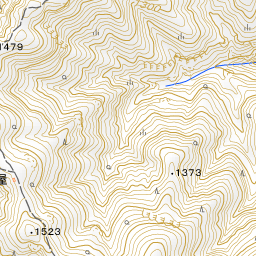
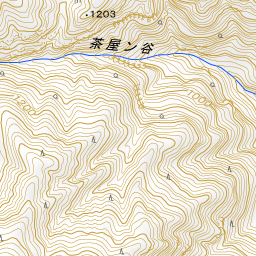
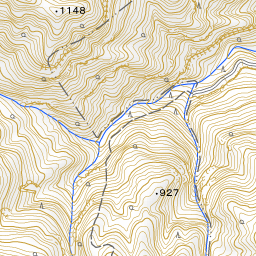


Spot location © OpenStreetMap contributors (ODbL)
Open in Google MapsGuides that include this spot (1)
Use asobot while you walk
- See where you are on the map and find spots nearby
- Listen to the guide's audio in course order, one after another (with subtitles)
- Walk to the next spot while following the map
Open on your phone
Scan to open this spot in asobot on your phone.