
Haradani-en Garden
Japanese: 原谷苑
Kita Ward, Kyoto
This information was written by AI and may contain mistakes. Please check official sources for opening hours, fees, and other details before you go.
Found a mistake? Let us know with “✏️ Something's wrong” on this spot's screen in asobot →
🎧 Audio guide(1:04)
In short
Haradani-en Garden is a private garden located in Haradani, in the mountains northwest of Kinkaku-ji Temple, and is open to the public only during the cherry blossom season. Owned by Muraiwa Farm, this cherry blossom garden spans approximately 4,000 tsubo and is planted with over 400 cherry trees across more than 20 varieties.
- Yae-beni-shidare-zakura (Double-flowered Weeping Red Cherry Blossoms): The garden's main highlight. In full bloom, they spread out like a shower of cherry blossoms cascading down from the heavens
- A Succession of Blooms: Usuzumi-zakura, Somei Yoshino, kizakura (yellow cherry), midori-zakura (green cherry), kiku-zakura (chrysanthemum cherry), and others bloom one after another, so you can enjoy cherry blossoms in full bloom even after those in the city have reached full bloom
- Flowers Blooming Alongside Cherry Blossoms: Kerria (yamabuki), flowering quince (boke), pearlbush (rikyu-bai), hall crabapple (hana-kaido), rhododendrons (shakunage), and various kinds of azaleas bloom around the same time as the cherry blossoms
History and Highlights
Haradani-en Garden is a private garden located in Haradani, nestled in the mountains northwest of Kinkaku-ji Temple, and is open to the public only during the cherry blossom season. Owned by Muraiwa Farm, a business dealing in timber such as Kitayama Cedar, this cherry blossom garden spans approximately 4,000 tsubo (around 13,200 square meters) and is planted with over 400 cherry trees across more than 20 varieties.
Muraiwa Farm is run by the Murase family, who began forestry work in Takagamine at the start of the Meiji period. In 1957 (Showa 32), they acquired the land of the current farm, which was in the middle of being reclaimed, from members of a postwar settlement group who had been clearing the wasteland of Haradani. Originally, the soil was nutrient-deficient and resembled a dumping ground, meaning crops would not grow at all. However, after planting various types of trees, cherry trees grew smoothly. At first, cherry blossom viewing was enjoyed only among relatives, friends, and other close acquaintances, but as word of mouth spread its reputation, the garden began opening to the general public only during the cherry blossom season starting around 1965 (Showa 40).
Viewing and Experience Highlights
- Yae-beni-shidare-zakura (Double-flowered Weeping Red Cherry Blossoms): The garden's main highlight is its double-flowered weeping red cherry blossoms. In full bloom, they spread out like a shower of cherry blossoms cascading down from the heavens.
- A Succession of Blooms: Once the weeping red cherry blossoms begin to flower, varieties such as usuzumi-zakura, Somei Yoshino, yae-beni-shidare-zakura, kizakura (yellow cherry), midori-zakura (green cherry), and kiku-zakura (chrysanthemum cherry) bloom one after another. Temperatures in Haradani are lower than in central Kyoto, allowing visitors to enjoy cherry blossoms in full bloom even after the peak bloom has passed in the city center.
- Flowers Blooming Alongside Cherry Blossoms: Kerria (yamabuki), flowering quince (boke), pearlbush (rikyu-bai), hall crabapple (hana-kaido), rhododendrons (shakunage), and various kinds of azaleas bloom around the same time as the cherry blossoms, allowing visitors to enjoy them together.
Tips for Exploring
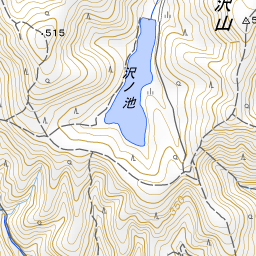
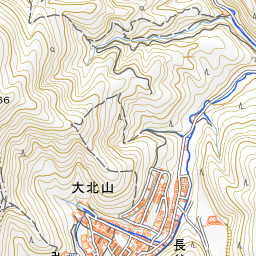
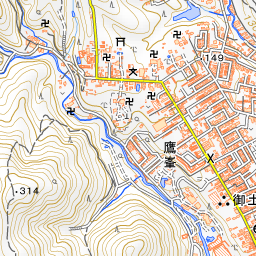
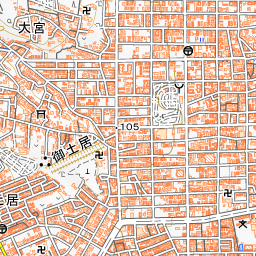
Take Kyoto City Bus Route M1, get off at the "Haradani" stop, and walk for about 1 to 2 minutes. Buses on Route M1 run infrequently, so it is safer to check the timetable in advance. Paths inside the garden are unpaved, with large level differences and steep slopes, so please visit in comfortable walking shoes. The garden is not wheelchair accessible, and bringing in food or alcoholic beverages, as well as using tripods, is prohibited. For the return trip, there is also a downhill walking path from Haradani-en Garden to Ninna-ji Temple in Omuro, which takes about 30 minutes.


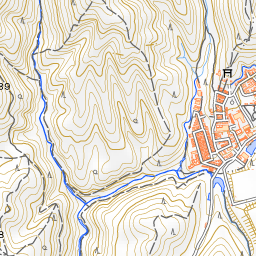
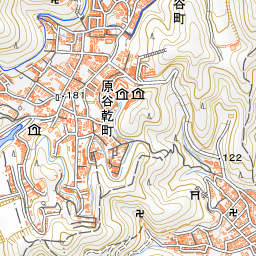
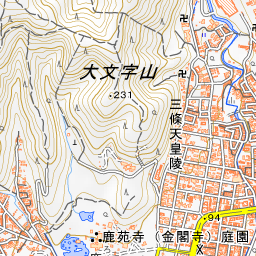
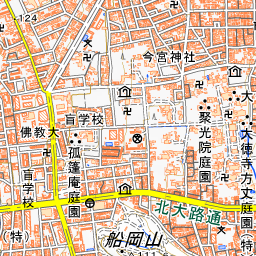
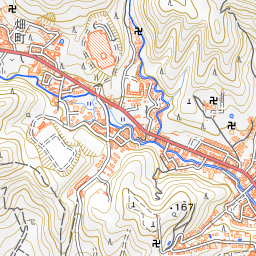
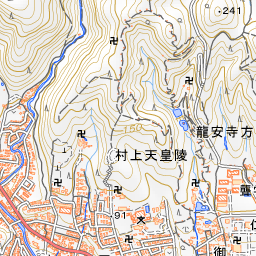
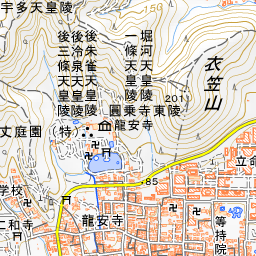

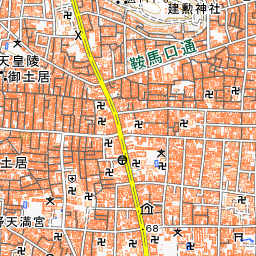
Spot location © OpenStreetMap contributors (ODbL)
Open in Google MapsUse asobot while you walk
- See where you are on the map and find spots nearby
- Listen to the guide's audio in course order, one after another (with subtitles)
- Walk to the next spot while following the map
Open on your phone
Scan to open this spot in asobot on your phone.