 ✨ AI Generated
Mt. Tennozan
Japanese: 天王山
Oyamazaki Town, Kyoto
This information was written by AI and may contain mistakes. Please check official sources for opening hours, fees, and other details before you go.
Found a mistake? Let us know with “✏️ Something's wrong” on this spot's screen in asobot →
🎧 Audio guide(1:05)
In short
A 270.4-meter-high mountain that serves as the symbol of Oyamazaki Town. It was the stage of the Battle of Yamazaki in 1582 (Tensho 10), where Akechi Mitsuhide and Hashiba Hideyoshi confronted each other, and it is said that using the phrase "Tennozan" to refer to a crucial moment that decides the outcome of a contest originates from this battle.
- Site of Yamazaki Castle: The castle that Hideyoshi built on the summit after winning the battle was dismantled in less than two years, but traces of the keep base, gate sites, well sites, earthwork remains, and foundation stones still remain
- "Hideyoshi-no-Michi Path" with Ceramic Board Illustrations: Ceramic board illustrations depicting the story of Hideyoshi's rise to power are placed at six locations along the hiking trail
- Observation Plaza and Natural Forest: From the Aokibadani Observation Plaza near the sixth station, visitors can overlook the Osaka Plain on clear days. Mt. Tennozan is also selected as one of "Kyoto's 200 Natural Sites," and a natural forest of trees such as chinquapin (shii) spreads across the eastern slope behind Kannon-ji Temple
History and Highlights
Mt. Tennozan is a 270.4-meter-high mountain that serves as the symbol of Oyamazaki Town. Situated at the southeastern edge of the Tamba Mountains, it faces Mt. Otokoyama across the Yodo River, forming a gate-like landform that leads from the Osaka Plain into the Kyoto Basin. During the Kamakura period, it was called Mt. Hachiojiyama. It came to be named Mt. Tennozan after Gozu Tenno, the enshrined deity of Tenjin Hachioji-sha Shrine (now Tamateyori-matsurikitaru Sakatoke-jinja Shrine), which was worshipped on the mountain.
In 1582 (Tensho 10), Akechi Mitsuhide, who had defeated Oda Nobunaga at Honno-ji Temple, confronted Hashiba Hideyoshi, who had rushed back from the Chugoku region, at this Yamazaki location. This was the Battle of Yamazaki. It is said that using the phrase "Tennozan" to refer to a crucial moment that decides the outcome of a contest originates from this battle. Having won the battle, Hideyoshi immediately built Yamazaki Castle on the mountain summit. Although it was a full-scale castle featuring a keep (tenshu) and utilizing stone walls and roof tiles, it was dismantled in less than two years as the construction of Osaka Castle progressed. Around the summit area, traces of the keep base, gate sites, well sites, earthwork remains, and foundation stones still remain today.
Sights and Experiences
- "Hideyoshi-no-Michi Path" with Ceramic Board Illustrations: The town named the hiking trail "Hideyoshi-no-Michi Path" and placed ceramic board illustrations depicting the story of Hideyoshi's rise to power at six locations. The original artworks are folding screen paintings by Japanese painter Iwai Hiroshi, and the accompanying explanations were written by author Sakaiya Taichi. They begin with the "Incident at Honno-ji" and conclude with "Hideyoshi's Hegemony" at the summit. According to the commentary, the actual battle took place in the wetlands east of Mt. Tennozan, and the conflict along the Yodo River was what decided the victory.
- Historical Sites Along the Mountain: Along the climbing path, sites such as Hoshaku-ji Temple, the Hatatatematsu Observation Deck, the Graves of the Seventeen Martyrs, and Tamateyori-matsurikitaru Sakatoke-jinja Shrine follow one after another. Mt. Tennozan is known not only for the Battle of Yamazaki but also as the stage for the Kinmon Incident at the end of the Edo period, allowing visitors to trace history at each location.
- Observation Plaza and Mountain Nature: From the Aokibadani Observation Plaza near the sixth station, visitors can overlook the Osaka Plain on clear days. Mt. Tennozan is also selected as one of "Kyoto's 200 Natural Sites," and a natural forest primarily composed of chinquapin trees (shii) spreads across the eastern slope behind Kannon-ji Temple.
Walking Tips
It takes about 60 minutes on foot to reach the summit from Hankyu Oyamazaki Station or JR Yamazaki Station. The trailheads at Hoshaku-ji Temple and Kannon-ji Temple (Yamazaki Shoten Temple) are about a 15-minute walk from the stations. From Hankyu Nishiyama-Tennozan Station, passing through the trailhead at Ogura-jinja Shrine, it takes about 80 minutes to the summit. Since there are no restrooms along the route, it is recommended to use the facilities at the foot of the mountain, such as at Hoshaku-ji Temple, beforehand. Visitors can enjoy a boxed lunch at the summit or the observation plaza, making it a good idea to bring a picnic sheet.
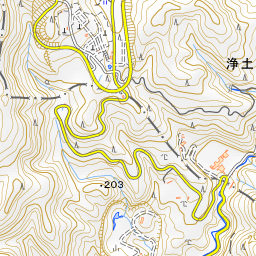
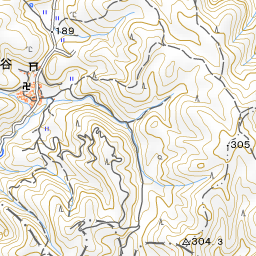
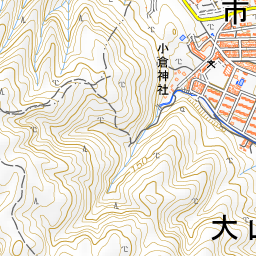
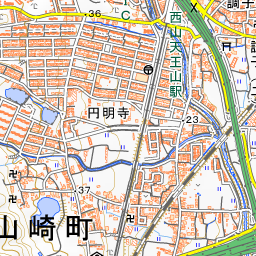
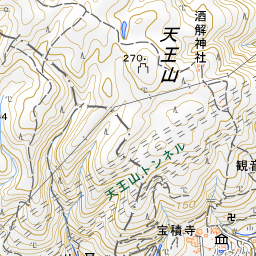
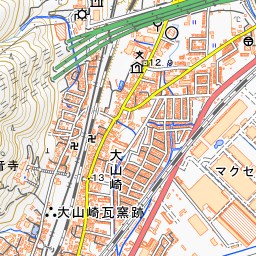
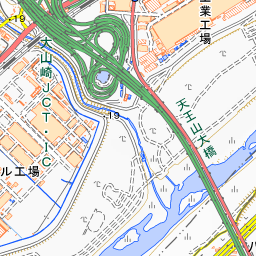
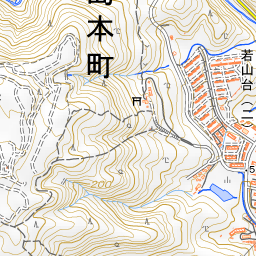
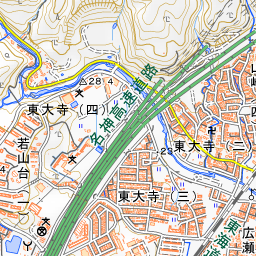
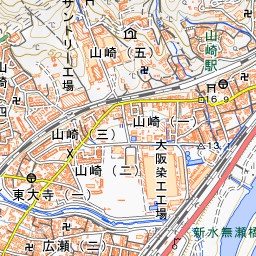
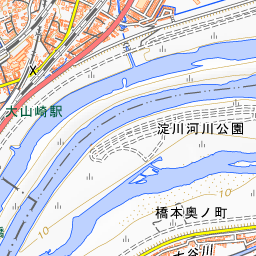
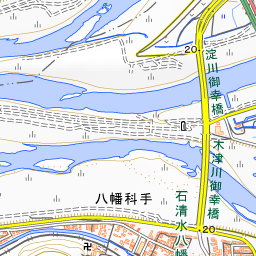
Spot location © OpenStreetMap contributors (ODbL)
Open in Google MapsGuides that include this spot (1)
Use asobot while you walk
- See where you are on the map and find spots nearby
- Listen to the guide's audio in course order, one after another (with subtitles)
- Walk to the next spot while following the map
Open on your phone
Scan to open this spot in asobot on your phone.