 ✨ AI Generated
Jinata Onsen
Japanese: 地鉈温泉
Niijima Village, Tokyo
This information was written by AI and may contain mistakes. Please check official sources for opening hours, fees, and other details before you go.
Found a mistake? Let us know with “✏️ Something's wrong” on this spot's screen in asobot →
🎧 Audio guide(1:01)
In short
Jinata Onsen is a hot spring located in the southern part of Shikinejima Island, welling up in a ravine that looks as though the coastline of continuous cliffs was split open with a hatchet (nata). It is an "ocean hot spring" that emerges in a reef area, where bathers wear swimwear to enter spots where the water has mixed with seawater to reach a suitable temperature. The spring source is 80 degrees Celsius; it reaches an optimal temperature at high tide, while extreme heat at low tide requires caution. It is also known by the alternative name "Internal Medicine Bath."
- A valley split as if by a hatchet: The rock formation behind forms a V-shaped ravine that appears cleaved by a large hatchet.
- Temperature-testing hole: Place your hand into a hole along the way to check the temperature of the spring water.
- Reddish-brown water: Turbid, brownish-red water that contains a large amount of iron.
History and Highlights
Jinata Onsen is a hot spring located in the southern part of Shikinejima Island. It wells up in a ravine that looks as if the cliff-lined coast was cleaved by a hatchet. The rock face behind creates a V-shaped valley resembling a cut from a large hatchet, and the hot spring takes its name from this shape.
The water contains abundant iron and is cloudy with a brownish-red color. The source temperature is 80 degrees Celsius. From the several pools located in the rocky reef area, bathers enter places where the water has mixed with seawater to reach a comfortable temperature. At high tide, it mixes with seawater to create the ideal bath temperature. At low tide, the water becomes extremely hot, so caution is required.
It is also known as the "Internal Medicine Bath." It is said to be effective for conditions such as neuralgia and sensitivity to cold. Ashitsuki Onsen on the island is called the "Surgery Bath," forming a pair with this one. In the open-air bath ranking compiled by Noguchi Fuyuto, it is listed as the East Haridashi Yokozuna.
Today, visitors can walk down via stairs, but in the past, there was no path leading down to the hot spring, making it necessary to arrive by boat from the sea to bathe. In 1909, three stonemasons from Ejiri, Shizuoka Prefecture, who had come to the island for construction work at Tomariura, worked together with island volunteers during breaks from their work to build and clear a path. The islanders of the time were deeply grateful and carved the Shokoshi (a record of honored achievements) on the western cliff face of the cut to commemorate their contribution.
Highlights for Viewing and Experiencing
- Temperature-testing hole: There is a "temperature-testing hole" along the stairs. Put your hand into the hole, and if it is at a suitable temperature, you can enter the bath. Check the temperature here first.
- Choosing a pool: Look for a spot where the spring water mixes with seawater to create just the right temperature. Depending on tidal conditions, bathing may not be possible.
- Nighttime starry sky: There are few streetlights at night, allowing visitors to soak under a sky full of stars. However, it is dark, so please watch your step carefully.
Tips for Exploring
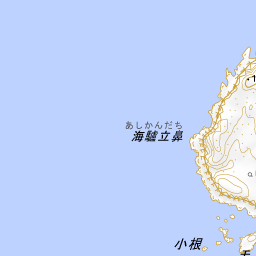
The entrance is about 1.5 kilometers from Shikinejima Port in the southern part of the island, a 30-minute walk. From Nobushi Port, where the regular ferries arrive, it is a 45-minute walk. From the village road at the entrance, descend a steep staircase built into the cliff. This hot spring requires swimwear, and there are no changing rooms. It is recommended to wear your swimwear underneath your clothes before descending. There are also no showers; if you warm a plastic bottle with the hot spring source water, it will become warm water you can use to rinse off your body when leaving. The rocks are slippery, so be mindful of your footing. For those who wish to bathe regardless of the tide, Matsugashita Miyabiyu draws its water from this same spring source.








Spot location © OpenStreetMap contributors (ODbL)
Open in Google MapsGuides that include this spot (1)
Use asobot while you walk
- See where you are on the map and find spots nearby
- Listen to the guide's audio in course order, one after another (with subtitles)
- Walk to the next spot while following the map
Open on your phone
Scan to open this spot in asobot on your phone.