 ✨ AI Generated
Katsuo-ji Temple
Japanese: 勝尾寺
Minoh, Osaka
This information was written by AI and may contain mistakes. Please check official sources for opening hours, fees, and other details before you go.
Found a mistake? Let us know with “✏️ Something's wrong” on this spot's screen in asobot →
🎧 Audio guide(1:09)
In short
A temple of the Koyasan Shingon sect located in the mountains of Minoo, and the 23rd temple along the Saigoku Kannon Pilgrimage (Saigoku Sanjushansho). According to temple records, its origins date back to 727 (Jinki 4), when the brothers Zenchu and Zensan built a grass hermitage in these mountains and began their ascetic training. It is said that because the prayers of the sixth head abbot, Gyojun, brought remarkable results, Emperor Seiwa named it "Katsuo-ji" (勝王寺), and that the temple, considering this too presumptuous, changed the character "王" (king) to "尾" (tail) and came to be called Katsuo-ji.
- Kachi-Daruma (Winning Daruma): "Winning" is interpreted not as defeating others, but as overcoming one's own weak spirit. The custom is to write one's life purpose on the bottom of the Daruma and one's goal for 365 days later on its back, carry out the eye-painting, and then, after reporting the result at the main hall, dedicate it to the Daruma display shelves
- Halls and Historic Sites Associated with Temple Origins: These include the Sampo Kojin-do, which enshrines a Kojin deity said to be Japan's first, and the Nikaido, where the monk Honen stayed for about four years. The Hatten Ishikura stone repositories, which marked the boundaries of the temple estate, and the choishi milestone markers are National Historic Sites, and the choishi from 1247 (Hoji 1) is known as the oldest choishi in Japan
- Four Seasons Across the Approx. 80,000-Tsubo Grounds: Weeping cherry blossoms and double-flowered cherry blossoms peak in April, hydrangeas from early June to mid-July, and autumn foliage from mid-November to early December. At dusk, the autumn leaves are illuminated
History and Highlights
Katsuo-ji Temple is a temple of the Koyasan Shingon sect located in the mountains of Minoo, and is the 23rd temple along the Saigoku Kannon Pilgrimage (Saigoku Sanjushansho). According to temple records, its origins date back to 727, when the brothers Zenchu and Zensan built a grass hermitage in these mountains and began their ascetic training in order to fulfill their great vow of transcribing the Great Prajnaparamita Sutra (Dai-hannyakyo). Later, a prince of Emperor Konin took the two brothers as his masters, entered the Buddhist priesthood, and took the name Kaijo. In 775, Kaijo enshrined the 600 transcribed scrolls of the Great Prajnaparamita Sutra in a newly built hall, naming it Miroku-ji Temple.
The name of the temple is said to derive from an event involving the sixth head abbot, Gyojun, who prayed for Emperor Seiwa's recovery from illness, with remarkably miraculous results. The Emperor named the temple "Katsuo-ji" (勝王寺, Temple of the Victorious King), saying its spiritual power had triumphed over the king himself. However, considering the character "王" (king) too presumptuous, the temple changed "王" to "尾" (tail/end), which has the same pronunciation, thus becoming Katsuo-ji. It is also sung as "Minoo, Katsuo" in the Ryojin Hisho, an anthology from the end of the Heian period. In 1184, the entire mountain was burned down during the Genpei War, but reconstruction began the following year, and during the Muromachi period, it became a prayer temple for the shogunate family.
Highlights for Viewing and Experiencing
- Kachi-Daruma (Winning Daruma): At Katsuo-ji Temple, "winning" is interpreted not as defeating others, but as overcoming one's own weak spirit. The custom is to write one's life purpose on the bottom of the Daruma and one's goal for 365 days later on its back, paint in one eye, and then, after reporting the result at the main hall, dedicate it to the Daruma display shelves.
- Halls and Historic Sites Associated with Temple Origins: Notable structures include the Chinju-do, said to enshrine three deities worshipped by Kaijo; the Sampo Kojin-do, said to enshrine Japan's first Kojin deity; and the Nikaido, where the monk Honen stayed for about four years. The Hatten Ishikura stone repositories, which marked the boundaries of the temple estate, and the choishi milestone markers are designated as National Historic Sites. The choishi from 1247 is known as the oldest surviving choishi in Japan.
- Four Seasons Across the Approx. 80,000-Tsubo Grounds: Weeping cherry blossoms and double-flowered cherry blossoms peak in April, hydrangeas from early June to mid-July, and autumn foliage from mid-November to early December. At dusk, the autumn leaves are illuminated, offering a splendid view looking up at the Tahoto pagoda from the Ichigan Fudo plateau.
Tips for Exploring
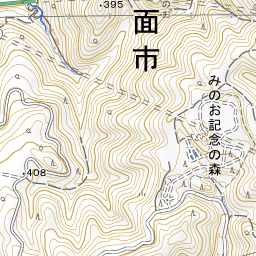
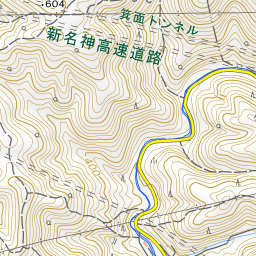
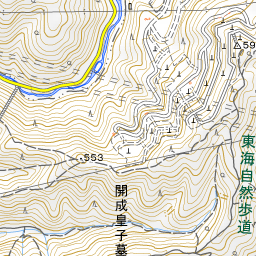
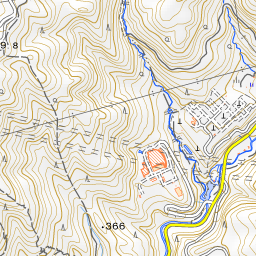
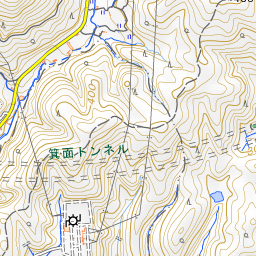
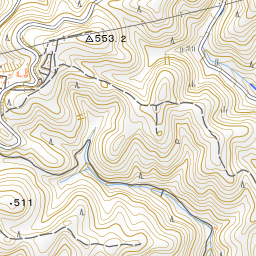
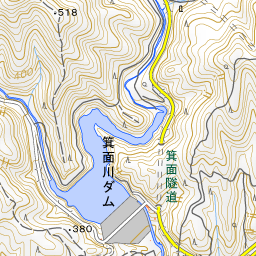
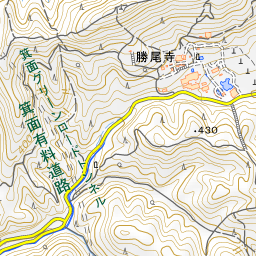
Direct buses to Katsuo-ji Temple run from Minoo-kayano Station on the Kita-Osaka Kyuko Line. By taxi, it takes about 15 minutes from Minoo-kayano Station and about 20 minutes from Minoo Station on the Hankyu Railway. Inside the Sanmon gate, there are spots scattered throughout the grounds, including the Okiyome-bashi bridge, the Benzaiten Shrine, the Kachi-Daruma dedication shelves, the main hall, and the Tahoto pagoda.
Guides that include this spot (1)
Use asobot while you walk
- See where you are on the map and find spots nearby
- Listen to the guide's audio in course order, one after another (with subtitles)
- Walk to the next spot while following the map
Open on your phone
Scan to open this spot in asobot on your phone.