 ✨ AI Generated
Atago-jinja Shrine
Japanese: 愛宕神社
Minato City, Tokyo
This information was written by AI and may contain mistakes. Please check official sources for opening hours, fees, and other details before you go.
Found a mistake? Let us know with “✏️ Something's wrong” on this spot's screen in asobot →
🎧 Audio guide(1:07)
In short
Atago-jinja Shrine was established in 1603 by order of Tokugawa Ieyasu as a shrine dedicated to the deity of fire prevention. It stands at the top of Mount Atago, 26 meters above sea level, which is the highest natural mountain within Tokyo's 23 wards. The shrine is known for its steep 86-step "Stone Steps to Success."
- Stone Steps to Success: Named after the anecdote of Magaki Heikuro, who rode a horse up and down these stone steps to present plum blossoms to Tokugawa Iemitsu.
- Triangulation Point: Located to the right after climbing the stone steps, it serves as proof that this is a mountain.
- Maneki-ishi (Beckoning Stone) and Shogun Plum: Stroking the Maneki-ishi is said to bring good fortune, while the Shogun Plum is said to be the plum tree from which Heikuro presented the blossoms.
History and Highlights
Atago-jinja Shrine was enshrined in 1603 (Keicho 8) by order of Tokugawa Ieyasu, who established the shogunate in Edo, as a guardian deity against fire. Its primary enshrined deity is Homusubi no Mikoto, the god of fire. Today, in addition to fire prevention and disaster mitigation, the shrine is widely visited for blessings related to printing, computer-related industries, business prosperity, and romance and matchmaking.
Mount Atago, where the shrine is located, has an elevation of 26 meters, making it the highest natural mountain within Tokyo's 23 wards. Although Mount Hakone in Shinjuku Ward is 44.6 meters tall, it is not counted because it is a man-made hill. During the Edo period, Mount Atago was a scenic viewpoint that offered views stretching to Mount Fuji, Tokyo Bay, and the Boso Peninsula.
Even the buildings of this shrine dedicated to the god of fire prevention suffered multiple fires. It was completely burned down in a great fire in Edo and rebuilt in 1877 (Meiji 10). Later, in the Great Kanto Earthquake and the 1945 air raids, the complex was destroyed again with only the Tarobo Shrine surviving. The current main hall (honden) and worship hall (haiden) were rebuilt in 1958.
The story of the Stone Steps to Success is famous in Kodan storytelling. In Kan'ei 11, the shogun Tokugawa Iemitsu, returning from a visit to Zojo-ji Temple, saw the plum blossoms on Mount Atago and ordered someone to retrieve them on horseback. While other retainers looked down in hesitation, Magaki Heikuro of the Marugame Domain rode his horse up and down the steep stone steps, and it is handed down that he was praised as "Japan's greatest equestrian master." According to the shrine, there were also people who succeeded in riding horses up and down the steps during the Meiji, Taisho, and Showa periods.
Viewing and Experience Points
- Stone Steps to Success: A steep set of 86 stone steps located straight ahead from the grand torii gate (o-torii). It is also known as Otokozaka Slope. You can also reach the grounds via the Onnazaka Slope to the right, which also consists of steep stone steps. During the Stone Steps to Success Festival, portable shrines (mikoshi) travel up and down these steps once every two years.
- Triangulation Point at the Summit: To the right after reaching the top of the stone steps, there is a triangulation point serving as proof that this is a mountain.
- Small Highlights on the Grounds: Passing through the vermilion-lacquered (ninuri) gate leads to the shrine buildings. On the left side, slightly before the shrine buildings, is the Maneki-ishi, which is said to bring good fortune when stroked. To the left in front of the worship hall stands the Shogun Plum, which Heikuro is said to have presented to Iemitsu. Continuing straight from the shrine office leads to a pond where carp swim. A Benzaiten shrine is also located on the grounds.
Tips for Exploring
It is a 5-minute walk from either Kamiyacho Station or Toranomon Hills Station on the Tokyo Metro Hibiya Line. For those who find climbing the stone steps difficult, an elevator located on the east side of the Mount Atago Tunnel is available to reach the summit. At the top of the mountain stands the NHK Museum of Broadcasting, which displays the history of broadcasting at Mount Atago, the "birthplace of broadcasting," making it a convenient stop after your visit. Zojo-ji Temple is located about 860 meters to the south, and Tokyo Tower is located about 780 meters to the south-southwest, both within walking distance.
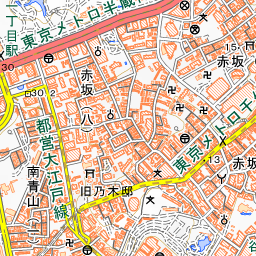


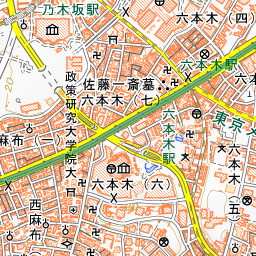
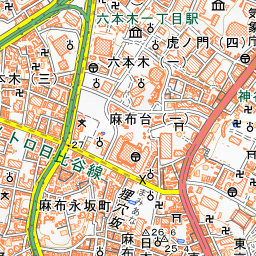
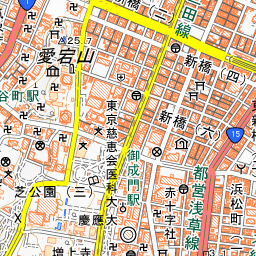

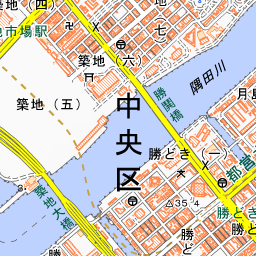
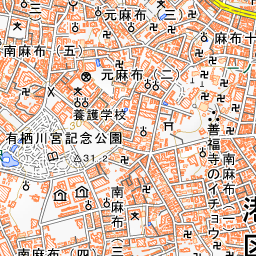
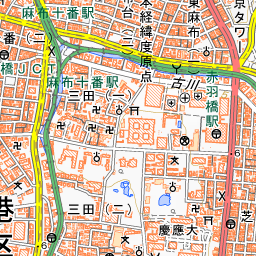
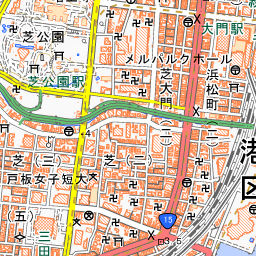
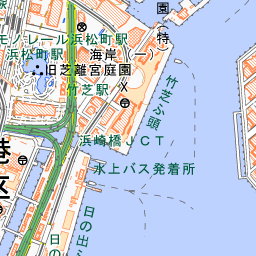
Spot location © OpenStreetMap contributors (ODbL)
Open in Google MapsUse asobot while you walk
- See where you are on the map and find spots nearby
- Listen to the guide's audio in course order, one after another (with subtitles)
- Walk to the next spot while following the map
Open on your phone
Scan to open this spot in asobot on your phone.