 ✨ AI Generated
Minase-jingu Shrine
Japanese: 水無瀬神宮
Shimamoto Town, Osaka
This information was written by AI and may contain mistakes. Please check official sources for opening hours, fees, and other details before you go.
Found a mistake? Let us know with “✏️ Something's wrong” on this spot's screen in asobot →
🎧 Audio guide(1:12)
In short
A shrine in Hirose, Shimamoto Town, dedicated to Emperor Go-Toba, Emperor Tsuchimikado, and Emperor Juntoku. It stands on the former grounds of the Minase Detached Palace built by Retired Emperor Go-Toba, and its origin dates back to 1240, when the Mieido (portrait hall) was built on the site of the detached palace to pray for the repose of the retired emperor, who died after spending 19 years in Oki. The portrait of the retired emperor, Portrait of Emperor Go-Toba (color on paper), and Will of Emperor Go-Toba with His Handprints are National Treasures and are deposited at the Kyoto National Museum.
- Kyaku-den (Guest Hall) and Toshinseki Teahouse: The Kyaku-den, the oldest building within the grounds, is said to have been donated by Toyotomi Hideyoshi and constructed by Fukushima Masanori. The thatched Toshinseki teahouse received its name because over ten kinds of plants that serve as raw material for lamp wicks (toshin), such as Japanese kerria (yamabuki) and reeds, are used in the ceiling. Both are designated National Important Cultural Properties
- Famous Water "Rikyu no Mizu": Subterranean water from the Minase River that, in 1985 (Showa 60), was selected as the only entry from Osaka Prefecture among the "Selected 100 Exquisite and Well-Preserved Waters of Japan." It is said to have been favored by Sen no Rikyu, and every year, the grand masters of the San-Senke hold an offering ceremony of tea using this water
- Goemon's Handprint: On the right pillar of the Shinmon gate at the front of the approach, a handprint said to have been left by Ishikawa Goemon as proof of his repentance remains
History and Highlights
Minase-jingu Shrine is a shrine located in Hirose, Shimamoto Town, dedicated to Emperor Go-Toba, Emperor Tsuchimikado, and Emperor Juntoku. This site is the former grounds of the Minase Detached Palace built by Retired Emperor Go-Toba. Retired Emperor Go-Toba frequently traveled here from the capital and regarded this land as his "beloved hometown." He is also known as the emperor who ordered the compilation of the imperial waka anthology Shin Kokin Wakashu.
Its origin dates back to 1240, when the Mieido (portrait hall) was built on the site of the detached palace to pray for the repose of the retired emperor, who died after spending 19 years in Oki. It was venerated under Buddhist rituals until the end of the Edo period, but in the 6th year of the Meiji period (1873) it became a shrine named "Minase-gu," and in the 14th year of the Showa period (1939) it was designated a Kanpei Taisha (imperial shrine of the first rank) and renamed "Minase-jingu Shrine." The portrait of the retired emperor, Portrait of Emperor Go-Toba (color on paper), and Will of Emperor Go-Toba with His Handprints, bearing vermilion handprints of both his hands, are National Treasures and are deposited at the Kyoto National Museum.
It is said that the main hall was relocated from the Naishidokoro of the Kyoto Imperial Palace around the time of Empress Meisho in the early Edo period. The worship hall is a building from the 4th year of the Showa period (1929), designed by Sunami Takashi, an engineer of the Home Ministry.
Points for Appreciation and Experiences
- Kyaku-den (Guest Hall) and Toshinseki Teahouse: Located to the left when facing the worship hall, the Kyaku-den is the oldest building within the grounds and is said to have been donated by Toyotomi Hideyoshi and constructed by Fukushima Masanori. The thatched Toshinseki teahouse is said to have been moved from the Imperial Palace, and it received its name because over ten kinds of plants that serve as raw material for lamp wicks (toshin), such as Japanese kerria (yamabuki) and reeds, are used in the ceiling. Both are designated National Important Cultural Properties.
- Famous Water "Rikyu no Mizu": In the 60th year of the Showa period (1985), this water was selected as the only entry from Osaka Prefecture among the "Selected 100 Exquisite and Well-Preserved Waters of Japan." It is subterranean water from the Minase River and is said to have been favored by Sen no Rikyu. Every year, the grand masters of the San-Senke hold an offering ceremony of tea using this water.
- Goemon's Handprint: On the right pillar of the Shinmon gate facing the front of the approach, a handprint said to have been left by Ishikawa Goemon as proof of his repentance remains.
Walking Tips
It is about a 10-minute walk from Hankyu Minase Station and JR Shimamoto Station, respectively. The drawing spot for Rikyu no Mizu is located to the left after passing through the Shinmon gate. The temizuya (water purification pavilion) where water flows from a bamboo tube is a place for purification before worship, so please refrain from drawing water or washing containers there. In spring, weeping cherry blossoms bloom in front of the Kyaku-den. About 930 meters southwest lies the Sakurai-no-Eki Site, and about 850 meters north is the Yamazaki Distillery. A replica of the National Treasure portrait of Emperor Go-Toba is housed in the Shimamoto Municipal Historical and Cultural Museum near JR Shimamoto Station.
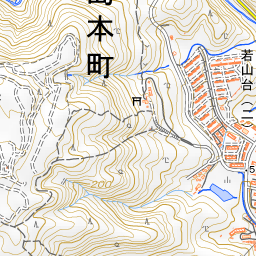
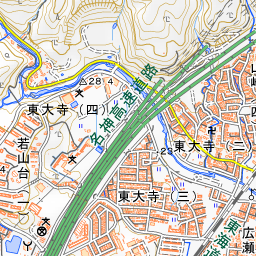
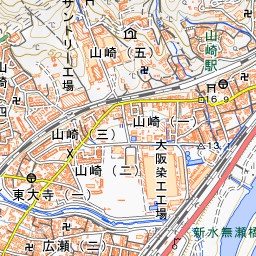
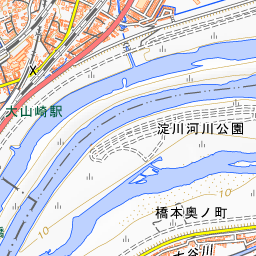
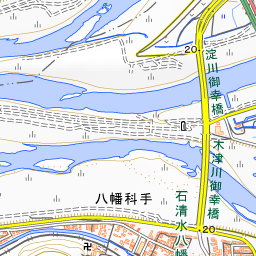
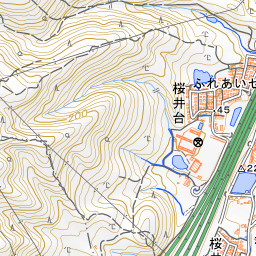
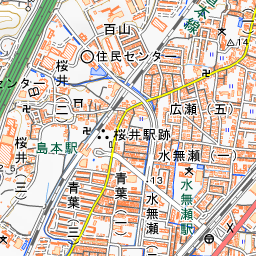
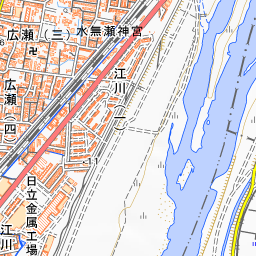
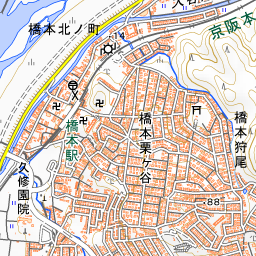
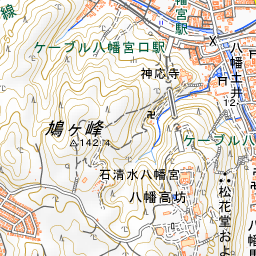
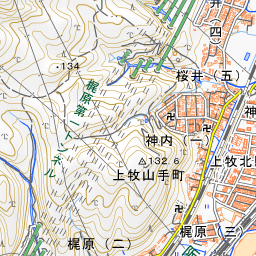
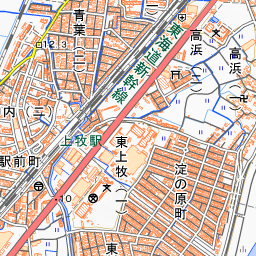

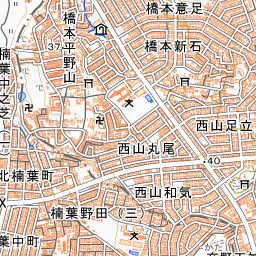
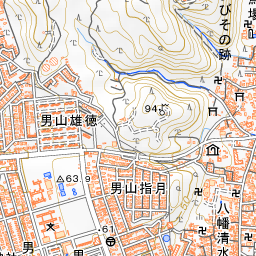
Spot location © OpenStreetMap contributors (ODbL)
Open in Google MapsGuides that include this spot (1)
Use asobot while you walk
- See where you are on the map and find spots nearby
- Listen to the guide's audio in course order, one after another (with subtitles)
- Walk to the next spot while following the map
Open on your phone
Scan to open this spot in asobot on your phone.