 ✨ AI Generated
Imado-jinja Shrine
Japanese: 今戸神社
Taito City, Tokyo
This information was written by AI and may contain mistakes. Please check official sources for opening hours, fees, and other details before you go.
Found a mistake? Let us know with “✏️ Something's wrong” on this spot's screen in asobot →
🎧 Audio guide(1:04)
In short
Imado-jinja Shrine was founded in 1063 as Imado Hachiman. Enshrining Emperor Ojin, Izanagi no Mikoto, and Izanami no Mikoto, it is known as one of Asakusa's foremost shrines for matchmaking (en-musubi). It is located in an area with deep ties to Imado ware ceramics and the maneki-neko (beckoning cat).
- Beckoning Cats: In recent years, many maneki-neko have been dedicated within the grounds. Imado ware beckoning cats are also said to be the origin of Japan's maneki-neko.
- Stone Komainu: Dedicated by Imado ware craftspeople in 1752, these guardian dogs are designated as Tangible Cultural Properties of Taito City.
- Monument of Okita Soji's Place of Death: Imado-jinja Shrine is considered by some to be the place where Okita Soji of the Shinsengumi passed away, and a stone monument stands on the grounds.
History and Highlights
The beginnings of Imado-jinja Shrine date back to 1063. The father-and-son duo Minamoto no Yoriyoshi and Minamoto no Yoshiie prayed for victory prior to their campaign in Oshu, and enshrined Kyoto's Iwashimizu Hachiman in both Tsurugaoka in Kamakura and Asakusa Imanotsu (present-day Imado). This marked the founding of Imado Hachiman.
The shrine buildings were repeatedly rebuilt after suffering from war and fires. During the Edo period, the third shogun Tokugawa Iemitsu provided official lumber, completing a reconstruction in 1636. It was reduced to ashes in the Great Kanto Earthquake, rebuilt, and later damaged during the air raids of Tokyo. The current shrine buildings were erected in November 1971 with donations from shrine parishioners and worshippers.
In July 1937, it merged with the neighboring Hakusan-jinja Shrine and was renamed Imado-jinja Shrine. The enshrined deities are Emperor Ojin, Izanagi no Mikoto, Izanami no Mikoto, and Fukurokuju of the Seven Lucky Gods. Izanagi and Izanami, male and female deities said to have created the land of Japan, have long been revered as gods of marriage and relationships. Today, the shrine is known as one of Asakusa's leading matchmaking spots.
Imado ware was pottery made in and around Imado, mainly from the Edo period through the Meiji period, and included roof tiles, everyday utensils, and clay dolls. As this area is the birthplace of Imado ware and ceramic cats were sold here, it is also said to be the birthplace of the maneki-neko. It is said that an elderly woman began selling the Imado ware Marushime-neko in front of the torii gate of Sanja Gongen (present-day Asakusa-jinja Shrine), which became extremely popular.
Tips for Viewing and Experiencing
- Beckoning Cats: In recent years, numerous maneki-neko have been dedicated on the grounds. Ema (votive plaques) and goshuincho (stamp books) featuring a pair of cats that beckon good connections are also popular. The round ema depicting beckoning cats were designed with the wish for "smooth relations without sharp corners" and "bringing together connections (a play on words for circles and bonds)."
- Stone Komainu: A Tangible Cultural Property of Taito City. They were dedicated to Imado Hachiman by Imado ware craftspeople in 1752 and restored in 1822. Inscriptions on the pedestals show that a total of 42 craftspeople and organizers contributed to the dedication.
- Monument of Okita Soji's Place of Death: Imado-jinja Shrine is said to be the place where Shinsengumi member Okita Soji died, and a monument stands within the grounds. Nagakura Shinpachi's "Doshi Renmeiki" records that patients, including Soji, were accommodated at Imado-jinja Shrine when the Satsuma-Choshu forces entered Edo. There is also a theory that he moved to Sendagaya and died there.
Walking Tips
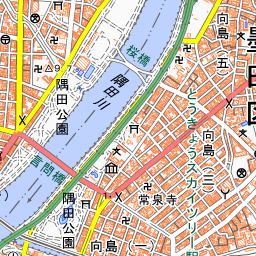
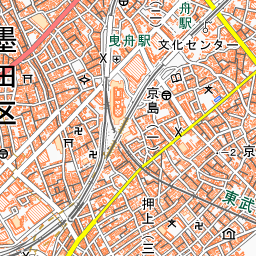
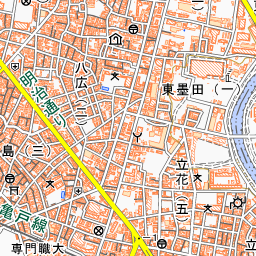
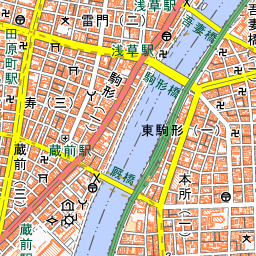
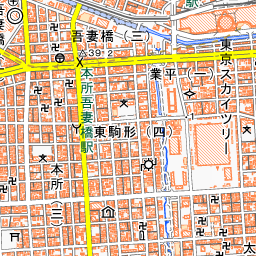
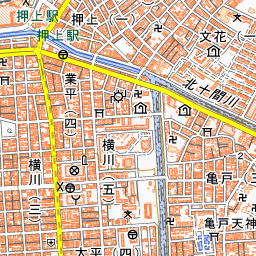
It is a 15-minute walk from Asakusa Station on various railway lines. It is one of the Asakusa Seven Lucky Gods, enshrining Fukurokuju. It can be visited in combination with Matsuchiyama Shoden Temple, located about 220 meters to the south. There are no restrooms or parking spaces at the shrine.





Use asobot while you walk
- See where you are on the map and find spots nearby
- Listen to the guide's audio in course order, one after another (with subtitles)
- Walk to the next spot while following the map
Open on your phone
Scan to open this spot in asobot on your phone.