 ✨ AI Generated
Saiho-ji Temple
Japanese: 西芳寺
Nishikyo Ward, Kyoto
This information was written by AI and may contain mistakes. Please check official sources for opening hours, fees, and other details before you go.
Found a mistake? Let us know with “✏️ Something's wrong” on this spot's screen in asobot →
🎧 Audio guide(1:06)
In short
A Rinzai Zen temple popularly known as "Koke-dera Temple" (Moss Temple), independent of any specific sect. Muso Kokushi revived it as a Zen temple in 1339, and today more than 120 varieties of moss, which began to flourish from the late Edo period onward, cover the entire garden. In 1994, it was registered as a World Cultural Heritage site. Only those who make an advance reservation can visit.
- Garden of Ogonchi Pond: A pond-strolling garden centered on Ogonchi Pond, which is shaped like the Chinese character for "heart," with two large islands named Asahigashima and Yuhigashima
- Shonan-tei Teahouse: Built during the Momoyama period by Sen Shoan, the son of Sen no Rikyu, it is the oldest building on the grounds and an Important Cultural Property of Japan. In the late Edo period (Bakumatsu), it also served as a hiding place for Iwakura Tomomi
- Sutra Copying and Dry Landscape Stone Arrangement: A visit begins with shakyo (sutra copying) at the main hall, Sairai-do Hall. On the upper tier lies the oldest dry landscape (karesansui) stone arrangement in Japan, built by Muso Kokushi, but it is normally not open to the public
History and Highlights
Saiho-ji Temple is a Rinzai Zen temple popularly known as "Koke-dera Temple" (Moss Temple) and is an independent temple that does not belong to any specific sect. It is said that a villa of Prince Shotoku once stood in this area. The temple's origins date back to 731 during the Nara period, when the monk Gyoki founded it as a Hosso sect temple named "Saiho-ji" (written 西方寺) under the decree of Emperor Shomu. At the beginning of the Kamakura period, it became a Jodo sect temple welcoming Honen Shonin. In 1339 (the second year of the Ryakuo era), the eminent monk Muso Kokushi revived it as a Zen temple at the invitation of the chief priest of Matsunoo-taisha Shrine. At that time, the characters of the temple's name were changed to 西芳寺 while retaining the same pronunciation, "Saiho-ji." Ashikaga Yoshimitsu and Ashikaga Yoshimasa are also said to have practiced zazen here, and the grounds are said to have served as the prototype for the gardens of the later Kinkaku-ji and Ginkaku-ji.
Although the buildings were burned down during the Onin and Bunmei Wars and suffered repeated flood damage in the Edo period, moss began to flourish in the garden from the late Edo period onward. Today, more than 120 varieties of moss cover the entire garden. The garden is designated as a national Historic Site and Special Place of Scenic Beauty, and in 1994, it was registered as a World Cultural Heritage site as part of the "Historic Monuments of Ancient Kyoto."
Viewing and Experience Highlights
- Garden of Ogonchi Pond: The lower tier garden is a pond-strolling garden centered around Ogonchi Pond, which is shaped like the Chinese character for "heart" (心). In the pond are two large islands named Asahigashima and Yuhigashima; the small boat floating there is said to be a remnant of shoguns like Ashikaga Yoshimitsu and Ashikaga Yoshimasa viewing the garden from boats.
- Shonan-tei Teahouse: One of the teahouses along the path, Shonan-tei Teahouse, was built during the Momoyama period by Sen Shoan, the son of Sen no Rikyu. It is the oldest building on the grounds and is designated as an Important Cultural Property of Japan. In the late Edo period (Bakumatsu), it also served as a hiding place for Iwakura Tomomi. The moon-viewing platform extending to the north is said to have been designed for enjoying the moon reflected on the pond.
- Sutra Copying and Dry Landscape Stone Arrangement: Visitors begin their pilgrimage by engaging in shakyo (sutra copying) at the main hall, Sairai-do Hall. On the upper tier lies the oldest dry landscape (karesansui) stone arrangement in Japan, built by Muso Kokushi in 1339, consisting of a three-tiered dry waterfall arrangement (upper, middle, and lower). The upper tier garden is normally not open to the public.
Tips for Visitors
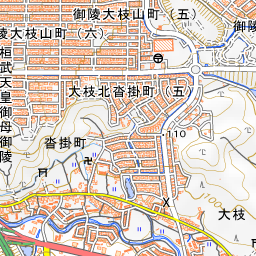
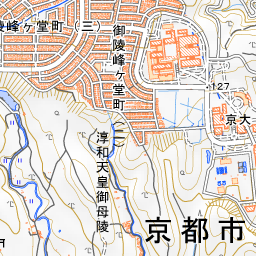
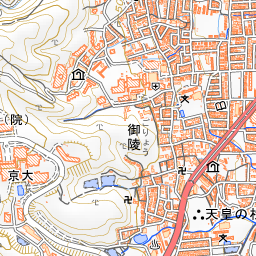
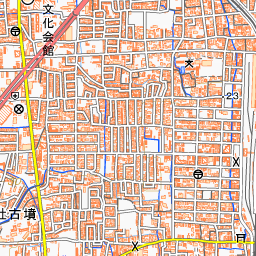
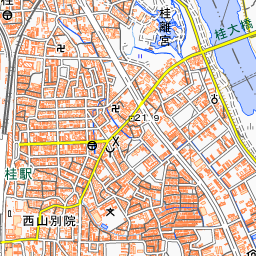
Since 1977, Saiho-ji Temple has adopted a system where only those who make an advance reservation can visit. From Kyoto Station, take Kyoto Bus Route 73, get off at the "Koke-dera, Suzumushi-dera" bus stop, and walk for about 3 minutes. Suzumushi-dera Temple is located about 200 meters to the northeast, and Matsunoo-taisha Shrine is located about 900 meters to the north.
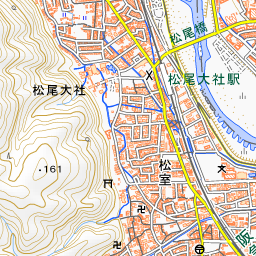


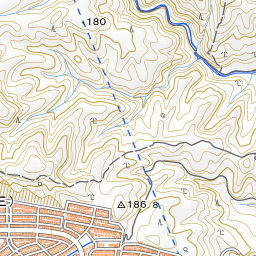
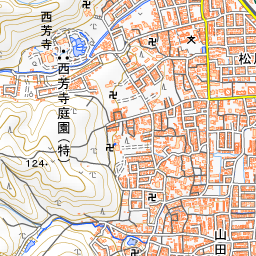
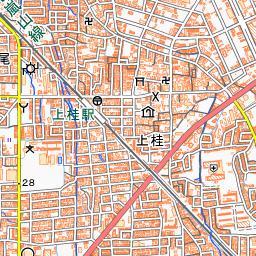
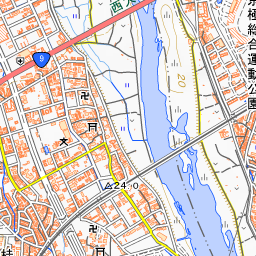
Spot location © OpenStreetMap contributors (ODbL)
Open in Google MapsGuides that include this spot (1)
Use asobot while you walk
- See where you are on the map and find spots nearby
- Listen to the guide's audio in course order, one after another (with subtitles)
- Walk to the next spot while following the map
Open on your phone
Scan to open this spot in asobot on your phone.