 ✨ AI Generated
Myoo-in Temple
Japanese: 明王院
Fukuyama, Hiroshima
This information was written by AI and may contain mistakes. Please check official sources for opening hours, fees, and other details before you go.
Found a mistake? Let us know with “✏️ Something's wrong” on this spot's screen in asobot →
🎧 Audio guide(1:03)
In short
Myoo-in Temple is a temple of the Daikaku-ji branch of Shingon Buddhism, located halfway up Mt. Atago by the Ashida River in Kusado-cho, Fukuyama City. It is said to have been founded in 807 by Kobo Daishi. Within its grounds are two National Treasure buildings: the main hall, built in the Kamakura period, and the five-story pagoda from the Nanboku-cho period.
- National Treasure Five-Story Pagoda: Built in 1348 by gathering small monetary donations widely from the public, this pagoda stands approximately 29 meters tall, and its interior retains well the colors from the time it was built
- National Treasure Main Hall: Built in 1321 in an eclectic style (setchuyo), it is considered one of the oldest esoteric Buddhist main halls remaining in the Seto Inland Sea region
- Hagi-no-mon Gate: The sanmon (main gate) at the entrance of the temple grounds is also called "Hagi-no-mon" and is said to have been constructed from a single bush clover (hagi) tree
History and Highlights
Myoo-in Temple is a temple of the Daikaku-ji branch of Shingon Buddhism, located halfway up Mt. Atago by the Ashida River in Kusado-cho, Fukuyama City. It is said to have been founded in 807 by Kobo Daishi and was originally named Jofuku-ji Temple. During the Edo period, under Mizuno Katsusada, the third lord of the Fukuyama Domain, it merged with Myoo-in, which had been located in the castle town, taking on its present name.
Within the temple grounds are two buildings designated as National Treasures. The main hall was built in 1321, during the Kamakura period. Constructed in an eclectic style called setchuyo, it is based on traditional Japanese wayo architecture while incorporating zenshuyo (Zen style) and daibutsuyo (Great Buddha style) details in its finer elements. Along with the main hall of Jodo-ji Temple in Onomichi, it is considered one of the oldest esoteric Buddhist main halls remaining in the Seto Inland Sea region. The principal image of the main hall, a standing statue of the Eleven-faced Kannon, was carved from a single block of wood in the early Heian period and is a national Important Cultural Property.
Viewing and Experience Points
- National Treasure Five-Story Pagoda: Built in 1348, during the Nanboku-cho period, by gathering small monetary donations widely from the public, this pagoda stands approximately 29 meters tall. Its well-proportioned, pure wayo design is said to be one of the representative architectural works of the Nanboku-cho period. The interior of the pagoda is adorned with Buddhist paintings, flowers, and heavenly beings (apsaras), and retains well the colors from the time it was built.
- Structure of the Main Hall: The main hall does not use non-penetrating tie beams (nageshi) to connect the pillars, but is framed using only penetrating tie beams (nuki), which is considered an innovative design for the period in which it was built. It is believed that this reflects architectural styles introduced from the Jiangnan region of China.
- Hagi-no-mon Gate: The sanmon (main gate) at the entrance of the temple grounds is also called "Hagi-no-mon" and is said to have been constructed from a single bush clover (hagi) tree. It is believed to have been built around the same time as the main hall and the five-story pagoda.
Walking Tips
From the temple grounds, you can look down over the Ashida River. From the Kamakura period through the Muromachi period, a port and market town called Kusado Sengen flourished on a sandbar in this river. It is believed that the prosperity of this town also influenced the construction of the temple buildings near the end of the Kamakura period. Items unearthed from the ruins of the town are on display at the Hiroshima Prefectural Museum of History, located north of Fukuyama Station, making it recommended to visit both. The temple is about a 10-minute taxi ride from JR Fukuyama Station.
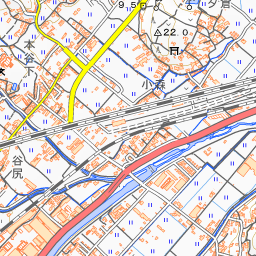
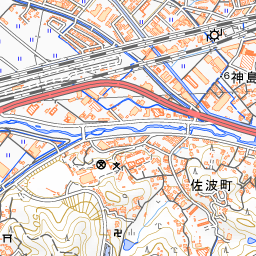
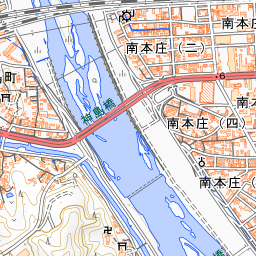
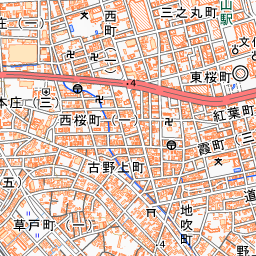
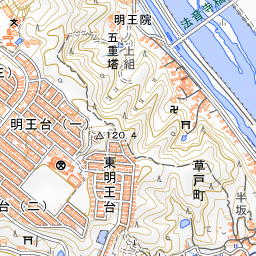
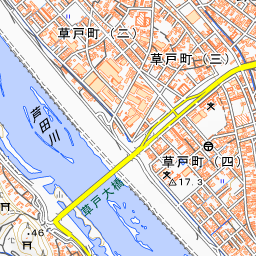
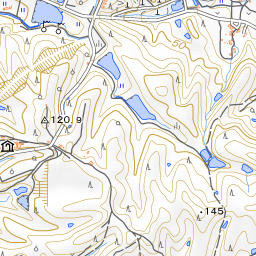
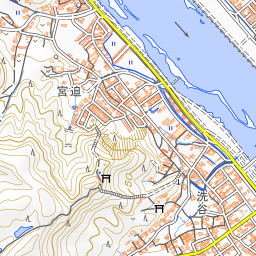
Spot location © OpenStreetMap contributors (ODbL)
Open in Google MapsGuides that include this spot (1)
Use asobot while you walk
- See where you are on the map and find spots nearby
- Listen to the guide's audio in course order, one after another (with subtitles)
- Walk to the next spot while following the map
Open on your phone
Scan to open this spot in asobot on your phone.