 ✨ AI Generated
Kondagobyoyama Kofun Burial Mound
Japanese: 誉田御廟山古墳
Habikino, Osaka
This information was written by AI and may contain mistakes. Please check official sources for opening hours, fees, and other details before you go.
Found a mistake? Let us know with “✏️ Something's wrong” on this spot's screen in asobot →
🎧 Audio guide(1:00)
In short
A massive keyhole-shaped burial mound located in the center of the Furuichi Kofun Group, also called the Emperor Ojin Kofun. It is regarded as the tomb of Emperor Ojin, Ega no Mofushi no Oka no Misasagi, and in 2019 it was registered as one of the component assets of the "Mozu-Furuichi Kofun Group" World Heritage site. The mound is 425 meters long, the second largest in Japan, and its volume of approximately 1.43 million cubic meters ranks first in the country. It was built in the early 5th century.
- View from the northern place of worship: A torii gate stands at the place of worship on the side of the rectangular front section, where visitors can pay their respects. The view of the burial mound seen from this place of worship has been selected as one of the "View Spots Osaka" by Osaka Prefecture
- The stone hill resting beneath the forest: The surfaces of the three tiers of earthen mound are thickly paved with stones, and immediately after its completion, it is thought to have looked like a hill built up of stones. It is estimated that more than 20,000 cylindrical haniwa (terracotta funerary figures) were arranged here
- The curved moat and Futatsuzuka Kofun: The inner moat curves significantly on the eastern side. This is believed to be because it avoided the Futatsuzuka Kofun, which had been built earlier
History and Highlights
Kondagobyoyama Kofun Burial Mound is a massive keyhole-shaped burial mound located in the center of the Furuichi Kofun Group, and is also called the Emperor Ojin Kofun. It is designated as the tomb of Emperor Ojin, known as Ega no Mofushi no Oka no Misasagi. It is one of the component assets of the "Mozu-Furuichi Kofun Group" World Heritage site, registered in 2019. It was built in the early 5th century.
The mound is 425 meters long, making it the second largest in Japan. While it yields first place in length to the Emperor Nintoku Kofun, its mound volume is approximately 1.43 million cubic meters, ranking first in the country. The round rear section is 36 meters high, and the mound was constructed with the rectangular front section facing north. The mound was built in three tiers and, apart from a collapse on the northwest side of the rectangular front part, retains much of its original appearance from when it was built. In recent years, the prevailing theory has been that this collapse was caused by an earthquake.
The mound is surrounded by a double moat, with the outer moat preserved while remaining buried underground. It is estimated that more than 20,000 cylindrical haniwa (terracotta funerary figures) were arranged here, and in addition to numerous water bird-shaped haniwa, clay items shaped like fish, whales, and octopuses have also been discovered. These provide a glimpse into the rituals performed at the kofun.
Points for Viewing and Experiencing
- View from the northern place of worship: A torii gate stands at the place of worship on the side of the rectangular front section, where visitors can pay their respects. The solemn view of the burial mound seen from this worship area has also been selected as one of the "View Spots Osaka" by Osaka Prefecture.
- The stone hill resting beneath the forest: The surfaces of the three tiers of earthen mound were densely paved with stones gathered from riverbeds and the foot of mountains. Although it is entirely covered by forest today, immediately after its completion it is thought to have appeared like a hill built up of stones.
- The curved moat and Futatsuzuka Kofun: The inner moat curves significantly on the eastern side. This is believed to have been done to avoid the Futatsuzuka Kofun, which had been built earlier. The Konda Maruyama Kofun, adjacent to the north side of the moat, was also constructed in conjunction with this mound.
Walking Tips
From Hajinosato Station on the Kintetsu Minami-Osaka Line, it is about an 18-minute walk to the place of worship. About 450 meters to the south, on the side of the round rear section, stands Konda Hachimangu Shrine, which has long enshrined the burial mound. To get from the shrine to the place of worship, you must leave the shrine precincts and walk around the perimeter of the mound, which takes around 20 minutes one way on foot. Heading about 910 meters to the northeast brings you to Domyo-ji Temple and Domyoji Tenmangu Shrine, both associated with Sugawara no Michizane.
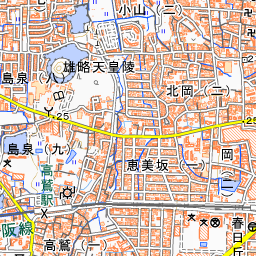
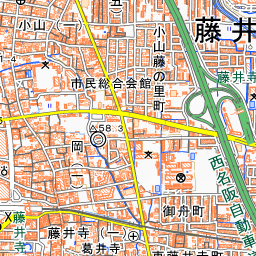
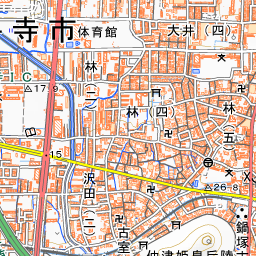
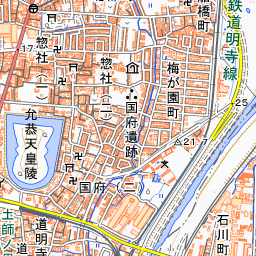
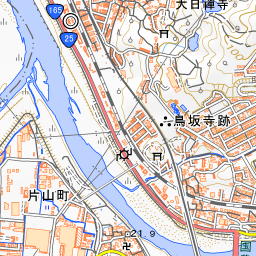
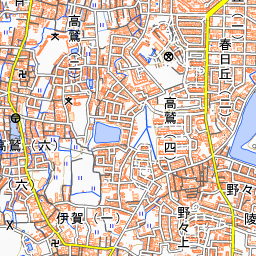
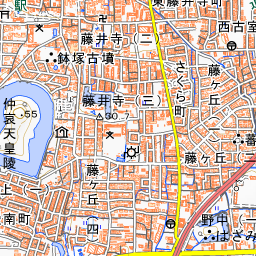
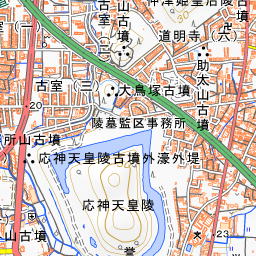
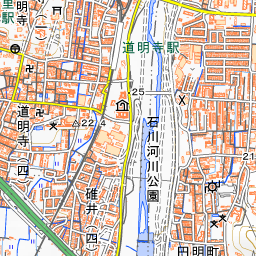
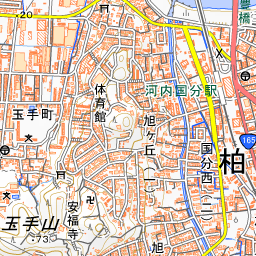
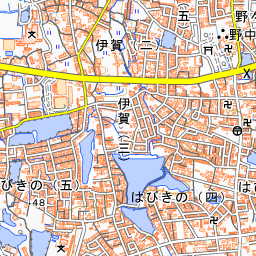
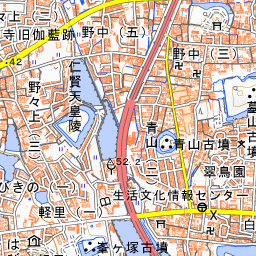

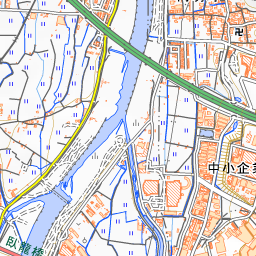
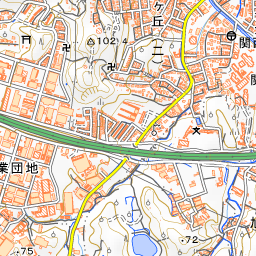
Spot location © OpenStreetMap contributors (ODbL)
Open in Google MapsGuides that include this spot (1)
Use asobot while you walk
- See where you are on the map and find spots nearby
- Listen to the guide's audio in course order, one after another (with subtitles)
- Walk to the next spot while following the map
Open on your phone
Scan to open this spot in asobot on your phone.