 ✨ AI Generated
Shokado Garden and Art Museum
Japanese: 八幡市立松花堂庭園・美術館
Yawata, Kyoto
This information was written by AI and may contain mistakes. Please check official sources for opening hours, fees, and other details before you go.
Found a mistake? Let us know with “✏️ Something's wrong” on this spot's screen in asobot →
🎧 Audio guide(1:03)
In short
A garden and art museum associated with Shokado Shojo, a cultural figure of the early Edo period. Shojo's thatched cottage "Shokado" and the Izumibo Shoin have been relocated to the garden, which covers approximately 20,000 square meters. However, the inner garden where these two buildings are located cannot be viewed except on special public opening days, due to damage from the northern Osaka earthquake and the subsequent restoration work. The "Shokado and Shoin Garden" is designated a National Place of Scenic Beauty.
- Three Tea Houses: The garden contains three tea houses: Shoin, Chikuin, and Baiin. The small room "Kan'unken" in Shoin is a reproduction of the tea room that Kobori Enshu built for Shojo. A suikinkutsu (water harp cave) is set into the tsukubai (stone washbasin) at Baiin, allowing visitors to enjoy its beautiful sound while seated in the waiting arbor (koshikake machiai)
- Garden of Bamboo and Camellias: More than 40 varieties of bamboo and dwarf bamboo, as well as over 200 camellia trees, offer beautiful scenery throughout the four seasons, with plum blossoms, cherry blossoms, hydrangeas, autumn foliage, and more
- A Place Associated with Shokado Bento: Inspired by the cross-divided boxes that farmers used to store seeds, Shojo appears to have used such boxes as tobacco trays and paint boxes. In the early Showa period, the founder of the Japanese restaurant "Kitcho" noticed this "four-section box," and through various refinements, the Shokado bento was created
History and Highlights
Shokado Garden and Art Museum is a garden and art museum associated with Shokado Shojo, a cultural figure of the early Edo period. Shojo's thatched cottage "Shokado" and the Izumibo Shoin have been relocated to the garden, which covers approximately 20,000 square meters. However, the inner garden where these two buildings are located cannot be viewed except on special public opening days due to damage from the northern Osaka earthquake and subsequent restoration work.
Shojo was a shrine monk (shaso) of Iwashimizu Hachimangu Shrine and served as the head priest of Takimoto-bo, which was located on its grounds. In calligraphy, he was counted alongside Konoe Nobutada and Hon'ami Koetsu as one of the "Three Brushes of the Kan'ei Era" (Kan'ei no Sanpitsu), and through the tea ceremony, he associated with many cultural figures, including Kobori Enshu. In 1637 (Kan'ei 14), he handed Takimoto-bo over to his disciple and built a two-tatami-mat thatched cottage named "Shokado" in Izumibo to enter a simple, rustic life (wabi-zumai).
Due to the Meiji government's policy of separating Shinto and Buddhism, the thatched cottage and shoin were removed from Mt. Otokoyama and relocated in 1900 (Meiji 33) to this site, which contains the Higashi Kurumazuka Kofun tumulus. In 1957 (Showa 32), it was designated a National Historic Site together with the former Shokado site on Mt. Otokoyama, and in 2014 (Heisei 26), the "Shokado and Shoin Garden" was designated a National Place of Scenic Beauty. The thatched cottage is a Kyoto Prefecture-designated cultural property, and the Izumibo Shoin is a Kyoto Prefecture-registered cultural property.
Tips for Appreciation and Experiences
- Three Tea Houses: The garden contains three tea houses: Shoin, Chikuin, and Baiin. The small room "Kan'unken" in Shoin is a reproduction of the tea room that Kobori Enshu built for Shojo. Chikuin is a four-and-a-half-tatami-mat room characterized by a biwa alcove (biwa-doko), and Baiin is a reproduction of a four-and-a-half-tatami-mat tea room favored by Sen Sotan. A suikinkutsu (water harp cave) is set into the tsukubai (stone washbasin) at Baiin, allowing visitors to enjoy its beautiful resonance while seated in the waiting arbor (koshikake machiai).
- Garden of Bamboo and Camellias: The garden contains more than 40 varieties of bamboo and dwarf bamboo, as well as over 200 camellia trees, offering beautiful scenery throughout the four seasons with plum blossoms, cherry blossoms, hydrangeas, autumn foliage, and more.
- A Place Associated with Shokado Bento: Inspired by the cross-divided boxes that farmers used to store seeds, Shojo is said to have used similar boxes as tobacco trays and paint boxes. In the early Showa period, the founder of the Japanese restaurant "Kitcho" visited this site, noticed this four-section box, and through various refinements created the Shokado bento.
Visiting Tips
It is located just a short walk from the Oshiba Shokado-mae bus stop, accessible by local bus from either Iwashimizu-hachimangu Station or Kuzuha Station on the Keihan Main Line. The art museum holds special and planned exhibitions in spring and autumn. Visiting together with shrines and temples in Yawata, such as Shobo-ji Temple and Iwashimizu Hachimangu Shrine, is also recommended.
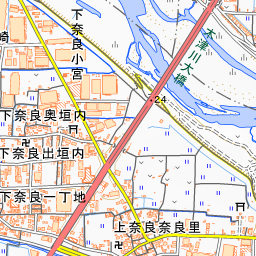
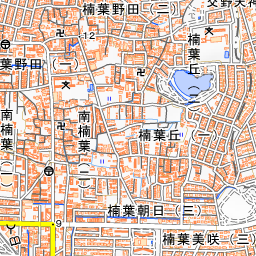
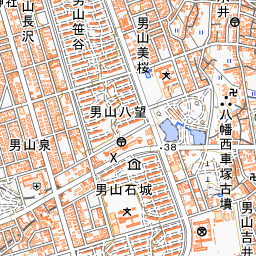
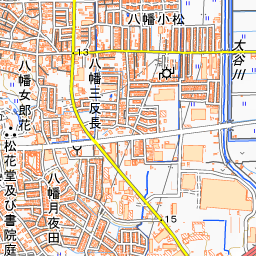
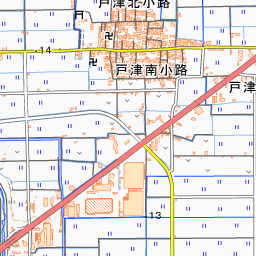
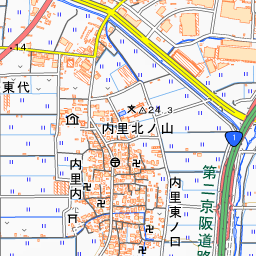
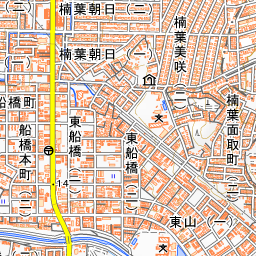

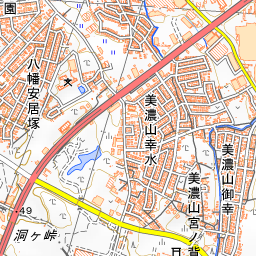
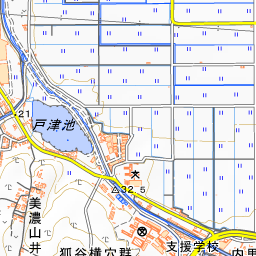
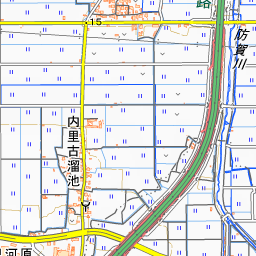
Spot location © OpenStreetMap contributors (ODbL)
Open in Google MapsUse asobot while you walk
- See where you are on the map and find spots nearby
- Listen to the guide's audio in course order, one after another (with subtitles)
- Walk to the next spot while following the map
Open on your phone
Scan to open this spot in asobot on your phone.