 ✨ AI Generated
Honen-in Temple
Japanese: 法然院
Sakyo Ward, Kyoto
This information was written by AI and may contain mistakes. Please check official sources for opening hours, fees, and other details before you go.
Found a mistake? Let us know with “✏️ Something's wrong” on this spot's screen in asobot →
🎧 Audio guide(1:10)
In short
A temple in Shishigatani at the foot of Mount Zenkizan in Higashiyama, whose formal name is Zenkizan Honen-in Manmukyo-ji. It traces its origins to the early Kamakura period, when Honen Shonin practiced Nembutsu with his disciples Anraku and Juren at a hermitage in Shishigatani, and in 1680 (Empo 8), Priest Manmu, the 38th head of Chion-in Temple, wished to build a Nembutsu training hall, and his disciple Priest Nincho laid the foundation for the current temple complex.
- Thatched-roof Sanmon Gate and Byakusadan: Passing through the thatched-roof Sanmon gate, which exudes the atmosphere of a mountain temple, visitors find Byakusadan, mounds of white sand representing water, on both sides. Passing between the sand mounds signifies purifying the mind and body and entering the sacred precincts
- The Twenty-Five Flowers of the Main Hall: On the Shumidan altar in front of the principal image, 25 fresh flowers symbolizing the Twenty-Five Bodhisattvas are scattered (sange), which is known as a unique ornamentation
- Hojo and Pure Land Garden: The Hojo houses fusuma paintings by Kano Mitsunobu, designated as a National Important Cultural Property, and its garden is a Pure Land garden with a Sanzon-seki (triad stone arrangement) symbolizing the Amida Triad placed in the center. The interior of the temple complex is usually closed to the public and is opened twice a year
History and Highlights
Honen-in Temple is located in Shishigatani at the foot of Mount Zenkizan in Higashiyama, and its formal name is Zenkizan Honen-in Manmukyo-ji. It traces its origins to the early Kamakura period, when Honen Shonin, the founder of Senju Nembutsu (exclusive recitation of the Nembutsu), practiced Nembutsu with his disciples Anraku and Juren at a hermitage in Shishigatani and chanted the Rokuji Raisan.
In December 1206 (the first year of the Ken'ei era), while Retired Emperor Go-Toba was away on a pilgrimage to Kumano, ladies-in-waiting Matsumushi and Suzumushi, who served the retired emperor, became nuns out of admiration for Anraku and Juren, incurring the retired emperor's wrath. Honen Shonin was exiled to Sanuki Province, Anraku and Juren were executed, and the hermitage fell into ruin for a long time. In 1680 (the eighth year of the Empo era) in the early Edo period, Priest Manmu, the 38th head of Chion-in Temple, wished to build a Nembutsu training hall on this site associated with Honen Shonin, and his disciple Priest Nincho laid the foundation for the current temple complex. In 1953 (the 28th year of the Showa era), the temple became independent from the Jodo sect and is now an independent religious corporation.
Points for Viewing and Experiencing
- Thatched-roof Sanmon Gate and Byakusadan: At the end of the approach surrounded by lush maples, the thatched-roof Sanmon gate exudes the atmosphere of a mountain temple. Passing through the Sanmon gate, visitors find mounds of white sand called Byakusadan on both sides. Passing between these sand mounds, which represent water, signifies purifying the mind and body before entering the sacred precincts.
- The Twenty-Five Flowers of the Main Hall: Inside the main hall, along with the principal image of the seated Amida Nyorai, statues such as the Bodhisattvas Kannon and Seishi, and a standing statue of Honen Shonin are enshrined. On the Shumidan altar in front of the principal image, 25 fresh flowers symbolizing the Twenty-Five Bodhisattvas are scattered (sange), which is known as a unique ornamentation.
- Hojo and Garden: The Hojo (abbot's quarters) was relocated in 1687 (the fourth year of the Jokyo era) from the residence of the imperial princess of Emperor Gosai in Fushimi, and houses fusuma paintings painted by Kano Mitsunobu, which are designated as a National Important Cultural Property. The Hojo garden is a Pure Land garden with a Sanzon-seki (triad stone arrangement) placed in the center, symbolizing the Amida Triad.
Tips for Strolling
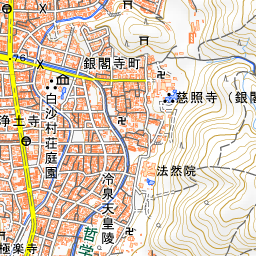
The interior of the temple complex is usually closed to the public and is opened twice a year. Camellias are abundant on the grounds, and three notable varieties of camellias are planted in the courtyard to the north of the main hall. The cemetery contains the graves of scholars and artists who loved the tranquility of this temple, such as Tanizaki Junichiro, Kawakami Hajime, Naito Konan, and Kuki Shuzo. The Philosopher's Path is about 250 meters to the southwest, and Ginkaku-ji Temple is about 370 meters to the north, making it easy to visit them together on a walk.
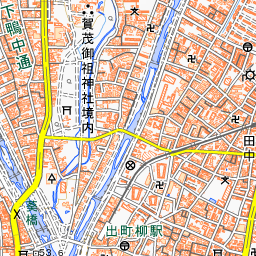
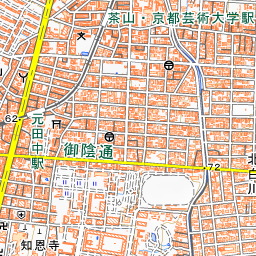
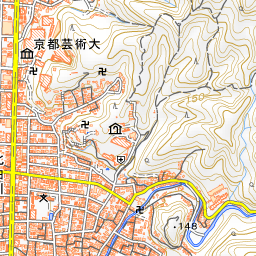


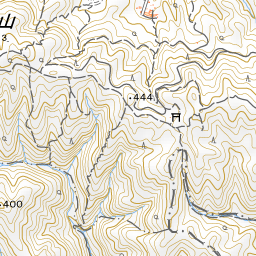
Spot location © OpenStreetMap contributors (ODbL)
Open in Google MapsGuides that include this spot (1)
Use asobot while you walk
- See where you are on the map and find spots nearby
- Listen to the guide's audio in course order, one after another (with subtitles)
- Walk to the next spot while following the map
Open on your phone
Scan to open this spot in asobot on your phone.