 ✨ AI Generated
Horinouchi Myoho-ji Temple
Japanese: 堀之内妙法寺
Suginami City, Tokyo
This information was written by AI and may contain mistakes. Please check official sources for opening hours, fees, and other details before you go.
Found a mistake? Let us know with “✏️ Something's wrong” on this spot's screen in asobot →
🎧 Audio guide(1:05)
In short
Horinouchi Myoho-ji Temple is a temple of the Nichiren sect located in Horinouchi, Suginami Ward. Known as the "Yakuyoke Soshi" (the founder who wards off evil) or "Horinouchi's Soshi-sama," it was so bustling during the Edo period that records describe it as being mentioned alongside Asakusa Kannon. Within its grounds lined with wooden halls stands an iron gate from the Meiji era.
- Yakuyoke Soshi: The statue of Nichiren enshrined in the Soshi-do Hall is said to have been consecrated when Nichiren Shonin was 42 years old after being pardoned from exile in Izu, and it has drawn widespread faith for warding off evil.
- Iron Gate: Designed by Josiah Conder and built in 1878 (Meiji 11), this gate is a National Important Cultural Property. The phoenix above the doors and the boy and girl children atop the pillars are particularly eye-catching.
- Niomon Gate and Soshi-do Hall: The Niomon Gate, built in 1787 (Tenmei 7), and the Soshi-do Hall, built in 1811 (Bunka 8), are both Tangible Cultural Properties of Tokyo.
History and Highlights
Horinouchi Myoho-ji Temple is a Nichiren sect temple located in Horinouchi, Suginami Ward, bearing the mountain name Nichienzan. It is widely known as "Yakuyoke Soshi" and "Horinouchi's Soshi-sama."
It was originally a temple of the Shingon sect. It is said that in the Genna era at the beginning of the Edo period, Kakusenin Nichikei converted it to the Nichiren sect.
A story is told about the statue of Nichiren in the Soshi-do Hall. In 1261 (Kocho 1), Nichiren Shonin was exiled to Izu. His disciple Nichiro Shonin, who was not permitted to accompany him, is said to have carved an image of his master into sacred driftwood that had washed ashore at Yuigahama in Kamakura. Two years later, after Nichiren Shonin was pardoned, he saw the statue and is said to have performed its eye-opening consecration ceremony. Nichiren Shonin was 42 years old at the time. This statue was originally located at Hokke-ji Temple in Himonya, Meguro (now Enyu-ji Temple). It is said to have been moved to this temple in 1692 (Genroku 5).
During the Edo period, large crowds of worshippers gathered for New Year visits (hatsumode), Setsubun-e, and Oeshiki, and it is recorded that the temple was mentioned alongside Asakusa Kannon. The temple gained even greater renown when the 11th Shogun Ienari and the 12th Shogun Ieyoshi stopped by the drawing hall (shoin) to rest. The temple was depicted in ukiyo-e woodblock prints and also appears in the classical rakugo story "Horinouchi."
Key Sights and Experiences
- Niomon Gate: The Niomon Gate at the entrance is a two-story tower gate (romon) with large, projecting eaves, built in 1787 (Tenmei 7). The current Nio guardian statues are said to have been donated by the 4th Shogun Ietsuna to Sannosha (now Hie-jinja Shrine), and were transferred to this temple in 1868 (Meiji 1). The Niomon Gate is a Tangible Cultural Property of Tokyo.
- Soshi-do Hall: The largest building at Myoho-ji Temple. Built in 1811 (Bunka 8), it enshrines the statue of the founder revered for warding off evil. The Soshi-do Hall is also a Tangible Cultural Property of Tokyo.
- Iron Gate: Standing out remarkably among the wooden structures is the cast-iron gate. A phoenix perches above the doors, a boy and girl stand atop the pillars, and acanthus leaf patterns adorn the doors. It was built in 1878 (Meiji 11) to the design of Josiah Conder, who also designed Rokumeikan and Nikolai-do Cathedral. It is a National Important Cultural Property.
Walking Tips
The nearest station is Higashi-Koenji Station on the Tokyo Metro Marunouchi Line, a 15-minute walk away. After entering through the Niomon Gate and offering your prayers at the Soshi-do Hall, step before the iron gate and look up at the phoenix above the doors and the children atop the pillars. On the grounds, there is also a monument dedicated to the author Ariyoshi Sawako.
Approximately 1.2 kilometers to the north is Koenji Temple, which gave the Koenji area its name. Approximately 1.6 kilometers to the southwest lies Omiya Hachimangu Shrine.
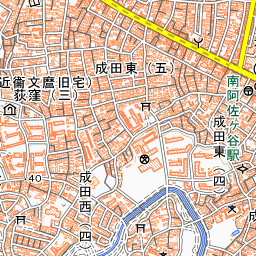
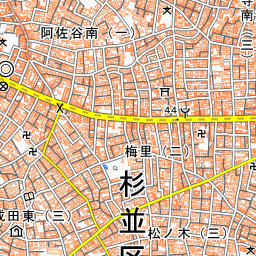
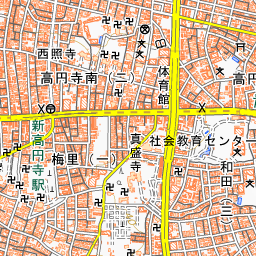
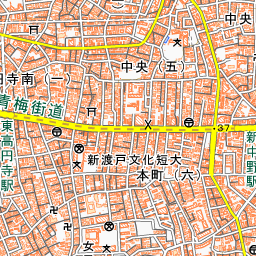
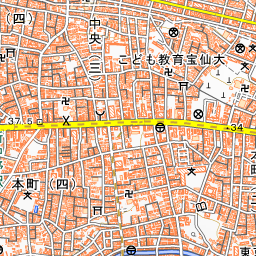
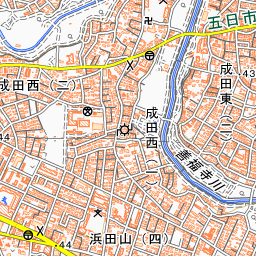
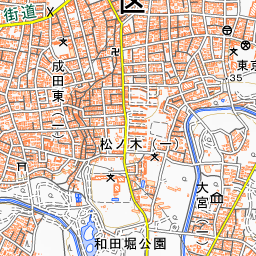
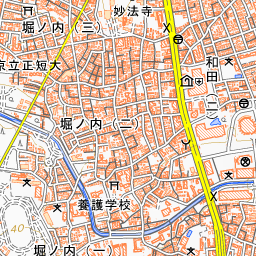
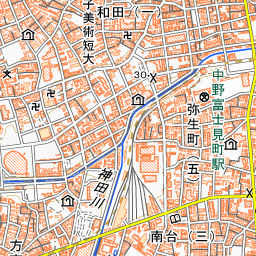
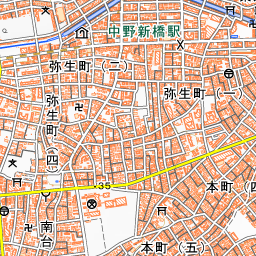
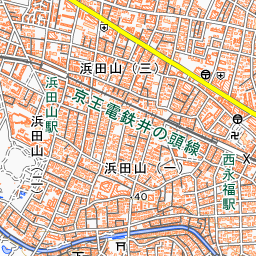
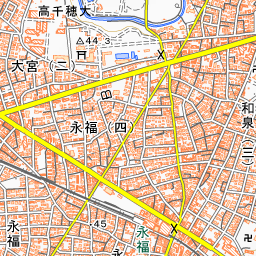
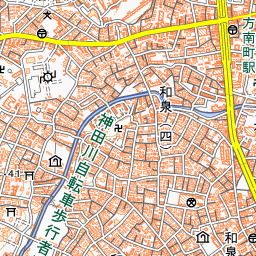
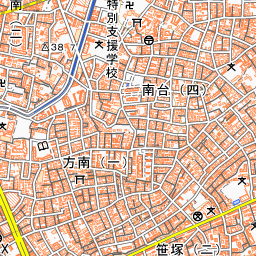
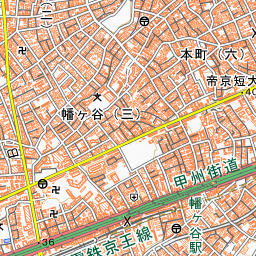
Spot location © OpenStreetMap contributors (ODbL)
Open in Google MapsGuides that include this spot (1)
Use asobot while you walk
- See where you are on the map and find spots nearby
- Listen to the guide's audio in course order, one after another (with subtitles)
- Walk to the next spot while following the map
Open on your phone
Scan to open this spot in asobot on your phone.