 ✨ AI Generated
Daisen-in Temple
Japanese: 大仙院
Kita Ward, Kyoto
This information was written by AI and may contain mistakes. Please check official sources for opening hours, fees, and other details before you go.
Found a mistake? Let us know with “✏️ Something's wrong” on this spot's screen in asobot →
🎧 Audio guide(1:06)
In short
One of the sub-temples (tatchu) of Daitoku-ji Temple and the head hermitage of the Daitoku-ji Kita faction. It was founded in 1509 (Eisho 6) by Rokkaku Omi-no-kami Masayori, with his son Kogaku Soko, the 76th head abbot of Daitoku-ji Temple, as the founding abbot. The main hall (hojo) is said to have been erected in 1513 (Eisho 10), and it is designated a National Treasure as one of the oldest surviving examples of hojo architecture.
- Dry Landscape Garden Designated as a Historic Site and Special Place of Scenic Beauty: A Muromachi-period garden that depicts, with stones and white sand, water flowing from a waterfall on Mt. Horai into a great river and on into the ocean. The scenery unfolds around the building
- The Shoin Connected to Rikyu and Hideyoshi: The shoin room, also known as the "Suisho-shitsu," is a tea room where Sen no Rikyu is said to have served tea to Toyotomi Hideyoshi. The shoin is also known for an anecdote that it is the place where the priest Takuan imparted the secrets of swordsmanship to Miyamoto Musashi
- Masterpiece Sliding Screen Paintings of the Muromachi Period: Sliding screen paintings (fusuma-e) such as the Eight Views of Xiaoxiang by Soami, Birds and Flowers of the Four Seasons by Kano Motonobu, and Farming in the Four Seasons by Kano Yukinobu have been handed down, and all of them are Important Cultural Properties
History and Highlights
Daisen-in Temple is a sub-temple (tatchu) of Daitoku-ji Temple and serves as the head hermitage of the Daitoku-ji Kita faction. It was founded in 1509 by Rokkaku Omi-no-kami Masayori, who invited his son, Kogaku Soko, the 76th head abbot of Daitoku-ji Temple, to be the founding abbot. Kogaku Soko received the devotion of Emperor Gokashiwabara, court nobles, and warrior families, and was granted the title of Shoho Daisho Kokushi by Emperor Gonara. The main hall (hojo) is the original building from the time of the temple's founding, said to have been erected in 1513, and is the oldest Zen guest hall architecture within the precincts of Daitoku-ji Temple. Its interior alcove (tokonoma) and entrance (genkan) are said to be the oldest in Japan, and it is designated as a National Treasure as one of the oldest surviving examples of hojo architecture. The shoin (study hall) is also an Important Cultural Property. Successive head abbots have included Kokei Sochin, who was Sen no Rikyu's teacher of Zen meditation, and Takuan Soho, who stood firm without yielding to the Tokugawa shogunate during the Shie Incident.
Highlights of Appreciation and Experience
- Dry Landscape Garden Designated as a Historic Site and Special Place of Scenic Beauty: The garden is a Muromachi-period dry landscape (karesansui) garden created by the founding abbot Kogaku Soko, and is designated as a national Historic Site and Special Place of Scenic Beauty. It depicts water flowing from a waterfall on Mt. Horai into a great river and finally into the ocean, expressed through a dry waterfall arrangement of upright large stones, a boat-shaped stone floating in the river, and an expanse of white sand, with the scenery unfolding around the building. A treasure ship, as well as a crane and a turtle representing longevity, are also expressed through rock arrangements, and this flow of water is also said to illustrate the journey of human life.
- The Shoin Connected to Rikyu and Hideyoshi: The shoin room is a tea room also known as the "Suisho-shitsu," where Sen no Rikyu is said to have served tea to Toyotomi Hideyoshi. It is told that Rikyu arranged flowers on the chinko-seki (aloe-wood stone) in front of the shoin room, which brought great delight to Hideyoshi. The shoin is also known for an anecdote claiming it to be the place where the 7th-generation abbot Takuan imparted the secrets of swordsmanship to Miyamoto Musashi.
- Masterpiece Sliding Screen Paintings of the Muromachi Period: Daisen-in Temple preserves sliding screen paintings (fusuma-e) including the Eight Views of Xiaoxiang by Soami, Birds and Flowers of the Four Seasons by Kano Motonobu, and Farming in the Four Seasons by Kano Yukinobu, all of which are Important Cultural Properties. They are renowned as masterpiece barrier paintings of the Muromachi period.
Tips for Visiting
It is about an 8-minute walk after getting off at the "Daitokuji-mae" Kyoto City Bus stop. Daisen-in Temple regularly holds zazen (seated meditation) sessions that anyone can join. Every year on March 17 during the Kokei-ki Memorial, thin tea (usucha) is served in remembrance of Kokei Sochin's virtue. The history and temple complex of Daitoku-ji Temple itself, including the Sanmon Gate and Karamon Gate, are introduced in the spot guide for Daitoku-ji Temple.


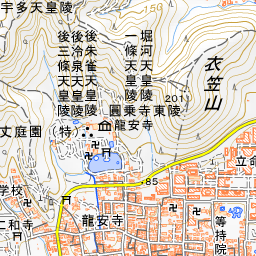

Spot location © OpenStreetMap contributors (ODbL)
Open in Google MapsGuides that include this spot (1)
Use asobot while you walk
- See where you are on the map and find spots nearby
- Listen to the guide's audio in course order, one after another (with subtitles)
- Walk to the next spot while following the map
Open on your phone
Scan to open this spot in asobot on your phone.