 ✨ AI Generated
Nishiki Tenmangu Shrine
Japanese: 錦天満宮
Nakagyo Ward, Kyoto
This information was written by AI and may contain mistakes. Please check official sources for opening hours, fees, and other details before you go.
Found a mistake? Let us know with “✏️ Something's wrong” on this spot's screen in asobot →
🎧 Audio guide(1:09)
In short
Nishiki Tenmangu Shrine stands at the eastern end of Nishikikoji-dori Street, facing Shinkyogoku-dori Street. It enshrines Sugawara no Michizane, known as the deity of learning, and locals affectionately call it Nishiki no Tenjin-san. In 1587, under Toyotomi Hideyoshi's urban planning, it moved to the present site, and from then on it came to be known as Nishiki Tenmangu Shrine.
- The stone torii gate cutting into the shops: The stone torii gate standing along Nishikikoji is a remnant of the precincts from before Shinkyogoku-dori Street was opened. It is built so that it cuts into the shop buildings on both sides, and it is known as a notable sight
- Nishiki-no-Mizu: Nishiki-no-Mizu, one of Kyoto's famous waters, springs up from 100 shaku, more than 30 meters, beneath the precincts. From early in the morning, many people come to pray and to draw the water
- Nade-ushi and the karakuri omikuji: The statue of an ox, regarded as the messenger of Tenjin, is affectionately known as Nade-ushi. At the karakuri omikuji, Kagura music plays and a lion dance begins when someone approaches, and when you put in money, the lion brings you a fortune slip
History and Highlights
Nishiki Tenmangu Shrine is a shrine facing Shinkyogoku-dori Street, located at the eastern end of Nishikikoji-dori Street. It enshrines Sugawara no Michizane, known as the deity of learning, and is affectionately called "Nishiki no Tenjin-san" by locals.
Its origin was Sugawara-in, the former residence of Michizane's father, Sugawara no Koreyoshi. After Michizane's death, Sugawara-in became Kangi-ji Temple, and in 1003 (the 5th year of the Choho era), it moved to Rokujo Kawara-no-in, the former residence of Minamoto no Toru, enshrining Tenman Daijizai Tenjin. In 1299 (the 1st year of the Shoan era), it received the divine title "Tenmangu" from Emperor Go-Fushimi, and the temple was renamed Kangiko-ji Temple. In 1587 (the 15th year of the Tensho era), under Toyotomi Hideyoshi's urban planning, Kangiko-ji Temple moved to the present site, and the Tenmangu shrine moved along with it, becoming known as "Nishiki Tenmangu Shrine" thereafter. In 1872 (the 5th year of the Meiji period), due to the separation of Shinto and Buddhism, the temple moved to Higashiyama, leaving only the shrine. In the same year, Shinkyogoku-dori Street was opened, and the precincts took on their current size. The current main hall (honden) and worship hall (haiden) were rebuilt the following year after being destroyed by fire in 1889 (the 22nd year of the Meiji period).
Highlights to Experience
- Stone Torii Gate Embedded in Shops: The stone torii gate standing along Nishikikoji is a remnant of the precincts from before Shinkyogoku-dori Street was opened. It is built in a way that penetrates into the shop buildings on both sides, and is known as a notable sight.
- Nishiki-no-Mizu: One of Kyoto's famous waters, "Nishiki-no-Mizu," springs up from 100 shaku (over 30 meters) underground within the precincts. From early morning, many people visit to draw water along with their prayers.
- Nade-ushi and Mechanical Karakuri Omikuji: The statue of an ox, considered the messenger of Tenjin, has been dedicated as a symbol of diligence, benevolence, and good health, and is affectionately known as "Nade-ushi" (rubbing ox). For the mechanical fortune slip (karakuri omikuji), sacred Kagura music plays and a lion dance begins when someone approaches, and upon inserting coins, the lion brings forward the fortune slip.
Tips for Exploring
Within the precincts are auxiliary and subordinate shrines, including Shiogama Shrine which enshrines Minamoto no Toru. The Spring Grand Festival is on May 25, and the Autumn Grand Festival is on November 25. Nishikikoji Street extending to the west is home to Nishiki Market, while Takoyakushi-do Eifuku-ji Temple is located just over 100 meters to the north, and Seigan-ji Temple is about 250 meters away. It is about a 3-minute walk from Hankyu Kyoto-kawaramachi Station.


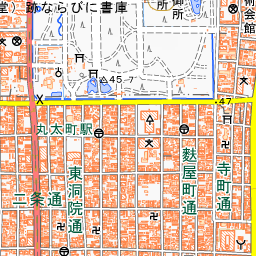


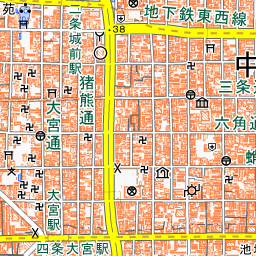

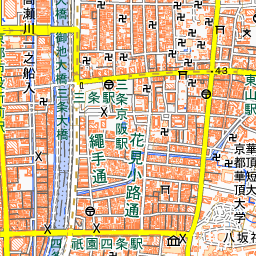


Spot location © OpenStreetMap contributors (ODbL)
Open in Google MapsGuides that include this spot (1)
Use asobot while you walk
- See where you are on the map and find spots nearby
- Listen to the guide's audio in course order, one after another (with subtitles)
- Walk to the next spot while following the map
Open on your phone
Scan to open this spot in asobot on your phone.