 ✨ AI Generated
Sanbo-in Temple
Japanese: 三宝院
Fushimi Ward, Kyoto
This information was written by AI and may contain mistakes. Please check official sources for opening hours, fees, and other details before you go.
Found a mistake? Let us know with “✏️ Something's wrong” on this spot's screen in asobot →
🎧 Audio guide(1:00)
In short
Founded in 1115 (Eikyu 3), Sanbo-in Temple is the main sub-temple (honbo) of Daigo-ji Temple where successive head abbots have resided. The basic design of the garden was drawn up in 1598 (Keicho 3) by Toyotomi Hideyoshi himself on the occasion of the "Daigo Cherry Blossom Viewing," and it is designated as a national Special Historic Site and Special Place of Scenic Beauty.
- Sanbo-in Temple Garden: Kameshima (Turtle Island), covered with a Japanese white pine, and Tsurushima (Crane Island) float in the pond, and at the center is the Fujito-ishi Stone, a celebrated stone passed down among successive rulers
- Omote Shoin: A National Treasure shoin drawing room incorporating the shinden-zukuri architectural style; removing the tatami mats in the lower chamber transforms it into a Noh stage
- Karamon Gate: A National Treasure gate said to have been opened only to welcome envoys from the Imperial Court, restored to its former appearance in 2010 (Heisei 22)
History and Highlights
Sanbo-in Temple is the main sub-temple (honbo) of Daigo-ji Temple where successive head abbots have resided. It was founded in 1115 by Bishop Shokaku, the 14th head abbot of Daigo-ji Temple. Today, most of the buildings of Sanbo-in Temple are designated as national Important Cultural Properties, and among them, the Omote Shoin, which overlooks the entire garden, is designated as a National Treasure.
The basic design of the garden was drawn up in 1598 by Toyotomi Hideyoshi himself on the occasion of the "Daigo Cherry Blossom Viewing" party. Designated as a national Special Historic Site and Special Place of Scenic Beauty, it still conveys the gorgeous atmosphere of the Momoyama period. Within the garden, a shrine dedicated to Toyokuni Daimyojin (Toyotomi Hideyoshi) was also built to repay his benevolence, as he devoted great effort to the overall revival of Daigo-ji Temple, including the development of Sanbo-in Temple's halls and gardens, the repair of the Five-story Pagoda, and the reconstruction of the Kondo (Main Hall).
Highlights of Appreciation and Experience
- Sanbo-in Temple Garden: In the pond, there is Kameshima (Turtle Island), covered with a Japanese white pine said to be over 600 years old, and Tsurushima (Crane Island) immediately to its west. The Fujito-ishi Stone at the center of the garden is a celebrated stone passed down among successive rulers since the Muromachi period and was brought here by Toyotomi Hideyoshi. Today, it is revered as part of a rock arrangement representing the Amida Triad.
- Omote Shoin: This shoin drawing room incorporates the shinden-zukuri architectural style of the Heian period, featuring balustrades around the veranda and an Izumidono (spring pavilion) built into the southwest corner. The lower chamber is also called the "Agebudai-no-ma" (raised stage chamber), as removing the tatami mats transforms it into a Noh stage. Among the sliding door paintings (fusuma-e) designated as Important Cultural Properties, those in the upper and middle chambers are said to be the work of the school of Hasegawa Tohaku, while the lower chamber features peacocks and cycads painted by Ishida Yutei.
- Karamon Gate: Designated as a National Treasure, this is an imperial messenger gate (chokushimon) said to have been opened only to welcome envoys from the Imperial Court. When it was built, the entire gate was lacquered in black and adorned with gold leaf on four large crests of chrysanthemums and paulownia. In 2010, it was restored to its former magnificent appearance over a period of about a year and a half, and its bold design continues to convey the spirit of the Momoyama period today.
Tips for Walking
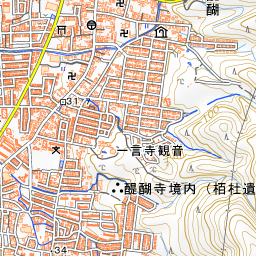
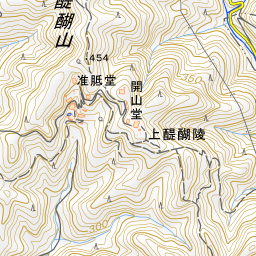
Daigo-ji Temple is about a 10-minute walk from Daigo Station on the Subway Tozai Line. Take time to enjoy the view of the islands floating in the pond and the garden stones from the veranda of the Omote Shoin. The temple compound of Shimo-Daigo featuring the Five-story Pagoda and Kondo, the Reihokan Museum, and Kami-Daigo atop the mountain are introduced in the Daigo-ji Temple entry. Walking about 800 meters north-northwest will bring you to Zuishin-in Temple.
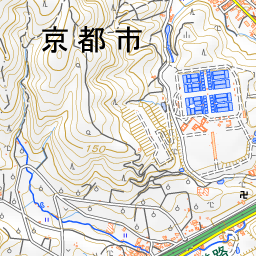
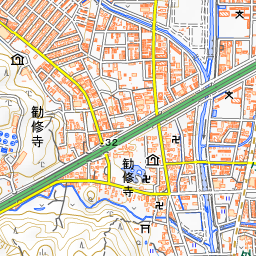
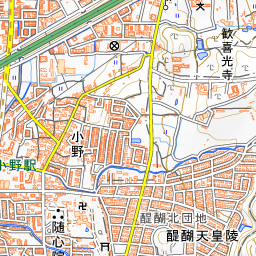
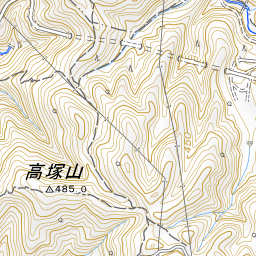
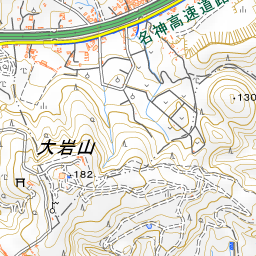
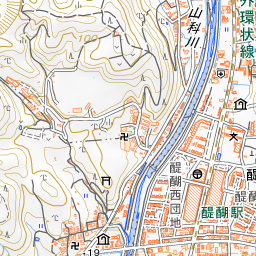
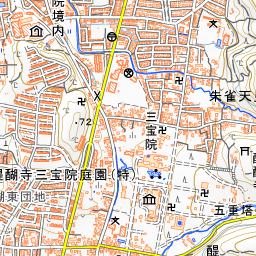
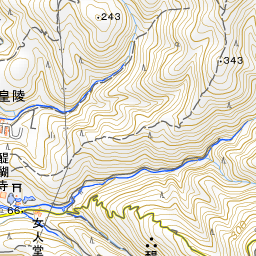
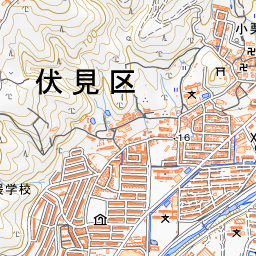
Spot location © OpenStreetMap contributors (ODbL)
Open in Google MapsGuides that include this spot (1)
Use asobot while you walk
- See where you are on the map and find spots nearby
- Listen to the guide's audio in course order, one after another (with subtitles)
- Walk to the next spot while following the map
Open on your phone
Scan to open this spot in asobot on your phone.