 ✨ AI Generated
Takakamo-jinja Shrine
Japanese: 高鴨神社
Gose, Nara
This information was written by AI and may contain mistakes. Please check official sources for opening hours, fees, and other details before you go.
Found a mistake? Let us know with “✏️ Something's wrong” on this spot's screen in asobot →
🎧 Audio guide(1:01)
In short
Takakamo-jinja Shrine is an ancient shrine located at the foot of Mt. Kongo in Kamogami, Gose City. It serves as the grand head shrine of all Kamo shrines nationwide and is considered one of Japan's oldest shrines, having conducted rituals since the mid-Yayoi period. Built on the birthplace of the ancient and powerful Kamo clan, it enshrines a deity said to possess the power to revive even deceased deities.
- Muromachi Period Main Hall (Honden): Rebuilt in 1543 (Tenbun 12), this main hall is in the sangensha nagare-zukuri style and is designated as a National Important Cultural Property.
- Floating Stage on Miyaike Pond: Carp swim in the Miyaike Pond, upon which floats a stage where gagaku (traditional court music) and dances are dedicated.
- Japanese Primroses (Nihon Sakuraso): Brought by the previous chief priest from his private residence in Kyoto and propagated here, they now number over 500 varieties in about 2,000 pots.
History and Highlights
Takakamo-jinja Shrine is an ancient shrine situated at the foot of Mt. Kongo. According to the shrine's tradition, this land is the birthplace of the ancient and powerful Kamo clan, and this shrine is one of the sanctuaries where the clan enshrined their guardian deity. It is the grand head shrine of all Kamo shrines across the country and is regarded as one of Japan's oldest shrines, conducting rituals since the mid-Yayoi period.
According to the tradition, a branch of the Kamo clan moved from these hills during the mid-Yayoi period, established Kamotsuba-jinja Shrine on the banks of the Katsuragi River, and took up a life of wet-rice cultivation. Another faction moved to Higashimochida and engaged in wet-rice cultivation centered around Katsuragi Mitoshi-jinja Shrine. Thus, this shrine came to be known as Kamigamo-sha, Katsuragi Mitoshi-jinja Shrine as Nakagamo-sha, and Kamotsuba-jinja Shrine as Shimogamo-sha. It is said to be the main ancestral shrine of all Kamo shrines, including Kamo Taisha in Kyoto.
The main enshrined deity is Ajishikitakahikone no Mikoto, also known as Kamo no Omikami. The deity is believed to have the power to revive even deceased deities, and the shrine has drawn worshippers seeking recovery from illness and other blessings related to revival.
In the Jinmyocho (register of deities) of the "Engishiki", it is listed as a myojin taisha, and it is said that the deity was granted the rank of Junior First Rank (Ju Ichii) in 859 (Jogan 1). The current main hall is a Muromachi period structure rebuilt in 1543 (Tenbun 12) in the sangensha nagare-zukuri style, and is designated as a National Important Cultural Property.
Tips for Appreciation and Experience
- East and West Shrines: Flanking the main hall are two auxiliary shrines (sessha): the East Shrine and the West Shrine. The East Shrine is a structure from 1669 (Kanbun 9) and is a designated Important Cultural Property of Nara Prefecture. Leading to the West Shrine, small subordinate shrines (massha) line the wooded approach.
- Floating Stage on Miyaike Pond: A floating stage rests on Miyaike Pond, where carp swim, and serves as a venue for dedicating gagaku music and dance. Enjoy the view set against the surrounding sacred woods.
- Japanese Primroses: In full bloom from late April to early May. These were propagated by the previous chief priest from plants brought from his Kyoto residence, and today number over 500 varieties across approximately 2,000 pots.
Walking Tips
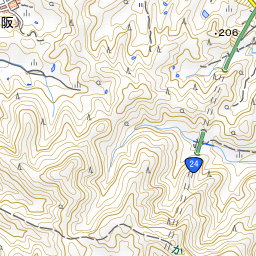
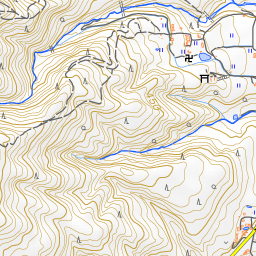
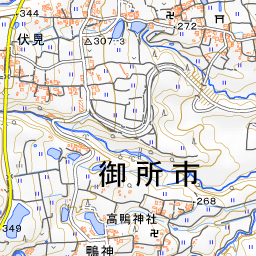
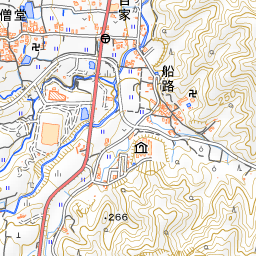
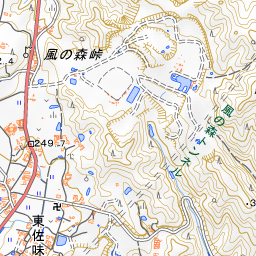
From JR and Kintetsu Gose Stations, take a bus bound for Gojo Bus Center, get off at Kaze-no-Mori, and walk for about 15 minutes. If walking along the Katsuragi Kodo, it takes about 40 minutes on foot from Takamahiko-jinja Shrine. The shrine grounds sit at an altitude of approximately 300 meters and house 2 auxiliary shrines (sessha) and 16 subordinate shrines (massha). Passing through the torii gate, you will find Haraedo-jinja Shrine on your left; walking straight down the approach leads to the main hall (honden) and worship hall (haiden). Along the approach also stands a bronze statue of Kusunoki Masashige, who was a devoted follower of this shrine. After offering your prayers, be sure to visit the East and West shrines. Adjacent to the shrine is the Katsuragi-no-Michi History and Culture Museum, which introduces the history and culture of the Katsuragi-no-Michi.
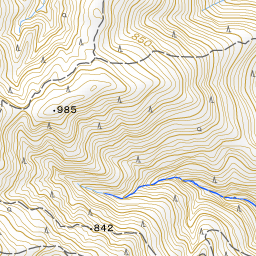
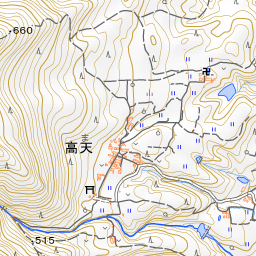
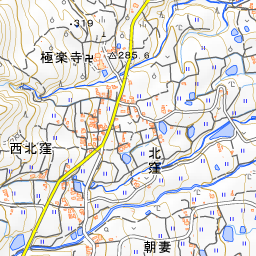
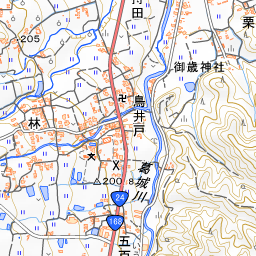

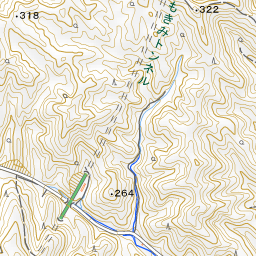
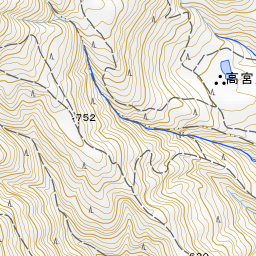
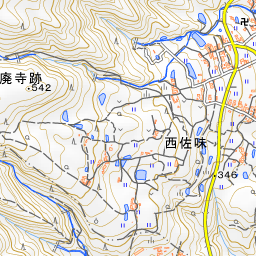
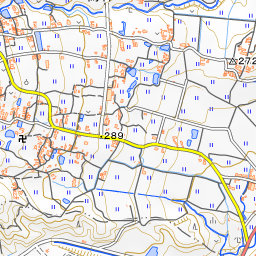
Spot location © OpenStreetMap contributors (ODbL)
Open in Google MapsGuides that include this spot (1)
Use asobot while you walk
- See where you are on the map and find spots nearby
- Listen to the guide's audio in course order, one after another (with subtitles)
- Walk to the next spot while following the map
Open on your phone
Scan to open this spot in asobot on your phone.