 ✨ AI Generated
Hirose-taisha Shrine
Japanese: 廣瀬大社
Kawai Town, Nara
This information was written by AI and may contain mistakes. Please check official sources for opening hours, fees, and other details before you go.
Found a mistake? Let us know with “✏️ Something's wrong” on this spot's screen in asobot →
🎧 Audio guide(1:08)
In short
Hirose-taisha Shrine is a shrine in the town of Kawai, enshrined at a point where the rivers flowing through the Nara Basin converge. Its primary deity, Wakaukanome-no-Mikoto, is widely venerated as a deity of water and bountiful harvests. In 675, Emperor Tenmu ordered the enshrinement of the deity Oimi-no-Kami here, and national rituals were held here alongside those for the wind deities of Tatsuta. The "Sunakake Matsuri" (Sand-Throwing Festival), held every year on February 11, is known as one of the curious and unique festivals of Yamato.
- Sunakake Matsuri (Sand-Throwing Festival): An Otauematsuri (rice-planting ritual) in which worshippers, actors playing farmers, and an actor playing an ox throw sand at each other, likening it to raindrops.
- Vermilion-lacquered Honden (Main Hall): Built in 1711, this main hall is designated as a Cultural Property of Nara Prefecture.
- Mizutaru-no-Ike Pond: A small pond located on the west side of the haiden (worship hall), associated with a shrine legend that a wetland turned into dry land overnight.
History and Highlights
The exact date of its founding is not clearly known. According to the shrine's origin legend, during the reign of Emperor Sujin, the village head of Kawai in Hirose received a divine oracle. Then, overnight, a wetland turned into dry land, and many tachibana (citrus) trees grew there. When word of this reached the Emperor, a shrine pavilion was reportedly built on this site to worship the deity. The shrine crest featuring the tachibana is derived from this legend.
According to the Nihon Shoki, Emperor Tenmu sent an envoy in 675 to enshrine Oimi-no-Kami at the river bend in Hirose. This is said to mark the beginning of the Oimi-no-Matsuri Festival, and national rituals were conducted alongside those for the wind deities of Tatsuta. In the autumn of 684, Emperor Tenmu made an imperial visit to this shrine.
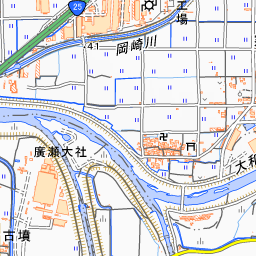
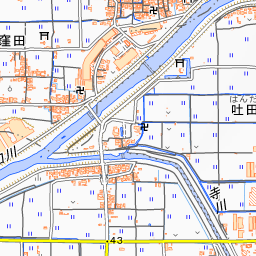
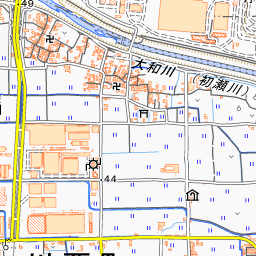
The main deity is Wakaukanome-no-Mikoto, with Kushitama-no-Mikoto and Honoikazuchi-no-Mikoto enshrined alongside the main deity (aidono). Because it is located where all the rivers flowing through the Nara Basin—including the Saho River, Hase River, Asuka River, and Soga River—converge at a single point, the main deity is regarded as a guardian deity of water. The shrine has deep ties with the deities of Tatsuta-taisha Shrine, who govern the wind.
Viewing and Experience Highlights
- Honden (Main Hall): The current main hall was built in 1711, in the mid-Edo period. It is designated as a Cultural Property of Nara Prefecture as a well-preserved example of the ikkensha kasuga-zukuri style. After major repairs, a ritual to return the deity to the main hall was held in 2000, and visitors today can see its beautiful vermilion lacquer and rich coloring.
- Sunakake Matsuri (Sand-Throwing Festival): An Otauematsuri held annually on February 11. A temporary rice paddy is set up in front of the haiden, where worshippers, actors playing farmers, and an actor portraying an ox throw sand—representing raindrops—at one another. It is said that the more vigorously sand is thrown, the more rain will fall, and children also join in the spirited exchange. It is designated as an Intangible Folk Cultural Property of Kawai Town.
- Mizutaru-no-Ike Pond and Ni-no-Torii (Second Gate): The shrine grounds are said to have originally been a vast wetland known as Mizutaru-no-Ike. Today, a small pond called Mizutaru-no-Ike still remains to the west of the haiden. The plaque reading "Hirose-sha" hanging on the Ni-no-Torii gate was written in 1807 by the lord of Koriyama Castle.
Travel Tips
The shrine is located approximately 3 kilometers southeast of JR Horyuji Station, or about a 30-minute walk. The shrine precincts currently cover an area of about 9,000 tsubo (approx. 30,000 m²). The Oimi-no-Matsuri Festival is held on August 21. It is also the birthplace shrine of the surname Hirose, and a prayer festival gathering people with the Hirose surname is held in April. Tatsuta-taisha Shrine, where national rituals have been performed in tandem since the era of Emperor Tenmu, is located about 5.6 kilometers to the west. Visiting both Hirose-taisha Shrine (the shrine of the water deity) and Tatsuta-taisha Shrine (the shrine of the wind deity) together is also recommended.
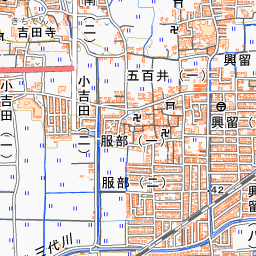
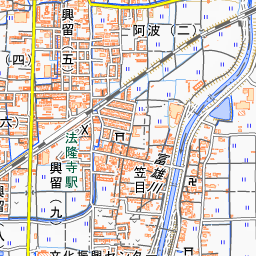
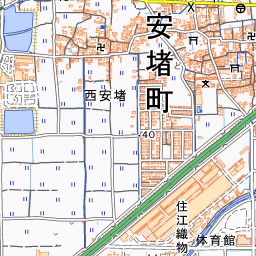
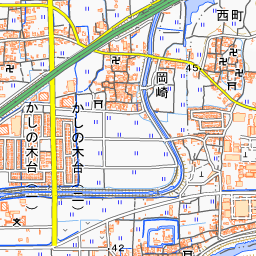
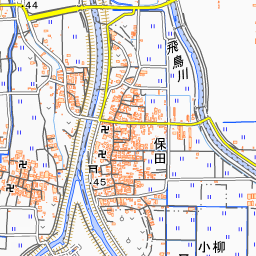
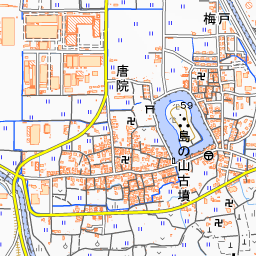
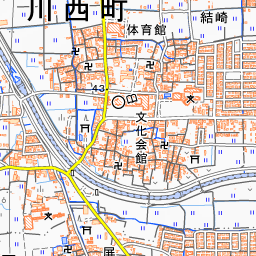
Spot location © OpenStreetMap contributors (ODbL)
Open in Google MapsUse asobot while you walk
- See where you are on the map and find spots nearby
- Listen to the guide's audio in course order, one after another (with subtitles)
- Walk to the next spot while following the map
Open on your phone
Scan to open this spot in asobot on your phone.