 ✨ AI Generated
Keitakuen Garden
Japanese: 慶沢園
Tennoji Ward, Osaka
This information was written by AI and may contain mistakes. Please check official sources for opening hours, fees, and other details before you go.
Found a mistake? Let us know with “✏️ Something's wrong” on this spot's screen in asobot →
🎧 Audio guide(1:06)
In short
A purely Japanese-style stroll garden with a pond and woods, located within Tennoji Park. Sumitomo Kichizaemon the 15th (art name: Shunsui), of the Sumitomo family, prominent merchants of Osaka, built it over about 10 years together with his main residence, the Chausuyama residence, and the garden was designed by Ogawa Jihei VII, famously known as "Ueji." In 1926 (Taisho 15), it was donated to the City of Osaka by the Sumitomo family along with the main residence, and it was opened to the public in 1934 (Showa 9). It is a designated cultural property (Place of Scenic Beauty) of the City of Osaka.
- Large Pond and Suhama (Cobble Beach): Centered around a large pond featuring a central island, artificial hills are built on three sides, creating a terrain rich in variety. On the west side of the pond, which is the front, and on the east side, suhama stretch out like calm seaside beaches
- View from the Kangyotei Pavilion: An arbor (azumaya) built as if jutting out over the water on the south side of the pond, offering a view of the entire garden stretching to the north. Directly ahead are highlights such as the central island, the suhama, and the Ryutoseki (dragon-head stone)
- Large Waterfall and Sawatari (Stepping Stones): Deep in the garden is a large waterfall cascading over a monolithic rock, and the sawatari technique, placing stones across ponds and streams to cross the water, can be seen in various spots throughout the grounds. Watch your step when walking on the sawatari
History and Highlights
Keitakuen Garden is a purely Japanese-style stroll garden with a pond and woods (chisen kaiyushiki teien) located within Tennoji Park. It was built over a period of about 10 years, alongside the main Chausuyama residence, when Sumitomo Kichizaemon the 15th (art name: Shunsui), a descendant of the prominent Sumitomo merchant family dating back to the Edo period, relocated to this site. Land acquisition began in 1895 (Meiji 28), construction started in 1908 (Meiji 41), and upon its completion in 1918 (Taisho 7), its name was changed from the former "Keitakuen" (恵沢園) to "Keitakuen" (慶沢園).
The garden was designed by Ogawa Jihei VII, famously known as "Ueji." He was a master landscape gardener who created numerous renowned gardens, including the Heian Jingu Shrine Shin'en Garden, Maruyama Park, and Murin-an. It is said that Shunsui was so impressed by the Heian Jingu Shrine Shin'en Garden that he requested Ueji to design this garden. Before starting, Ueji visited Kenrokuen Garden in Kanazawa together with Shunsui, and it is believed that the garden was created with reference to daimyo (feudal lord) gardens such as Korakuen Garden in Okayama and Ritsurin Garden in Takamatsu.
In 1926 (Taisho 15), the garden was donated to the City of Osaka by the Sumitomo family along with the main residence, and it was opened to the public in 1934 (Showa 9). Although the surrounding areas have undergone renovations, the central area, including the pond, remains well preserved in its original state at the time of completion. It is a designated Place of Scenic Beauty by the City of Osaka.
Viewing and Experience Highlights
- Large Pond and Suhama (Cobble Beach): Centered around a large pond featuring a central island (nakajima), artificial hills (tsukiyama) are built on three sides, creating a terrain rich in variety. On the front west side and the east side of the pond, gentle pebble shorelines resembling calm seaside beaches stretch out.
- View from the Kangyotei Pavilion: An arbor (azumaya) built over the water on the south side of the pond, offering a sweeping view of the entire garden stretching to the north. Directly ahead are highlights such as the central island, the pebble beach, and the Ryutoseki (dragon-head stone).
- Large Waterfall and Sawatari (Stepping Stones): Deep in the garden, there is a large waterfall cascading over a monolithic rock, and the sawatari technique—placing stones across ponds and streams to allow visitors to cross the water—can be seen in various spots throughout the grounds. The stone arrangement of the spring to the left of the large waterfall is believed to have been created in reference to the Sumitomo family's store name, "Izumiya."
Tips for Strolling
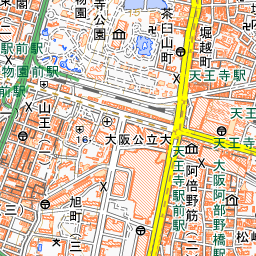
It is about a 5-minute walk from JR and Osaka Metro Tennoji Station. The adjacent main building of the Osaka City Museum of Fine Arts stands on the site of the Sumitomo family's main residence, which was donated during the same period, and its full view can be seen from the depths of the garden. Nearby is the open lawn area Tenshiba, and Tennoji Zoo is also within walking distance. Please watch your step carefully when crossing the sawatari stepping stones.

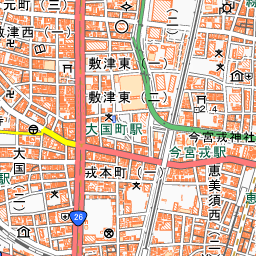
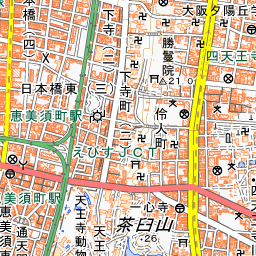
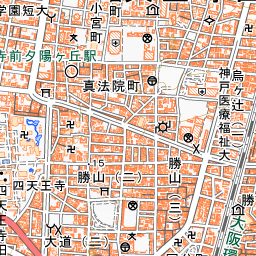
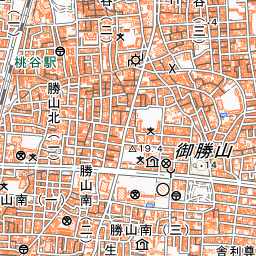


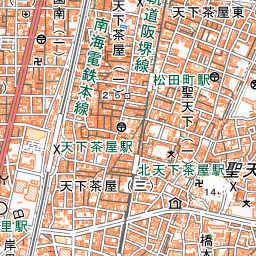
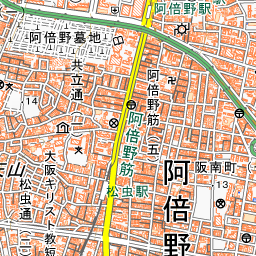
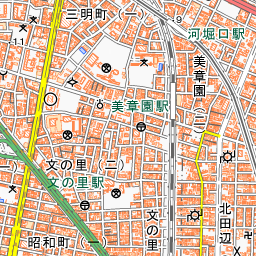
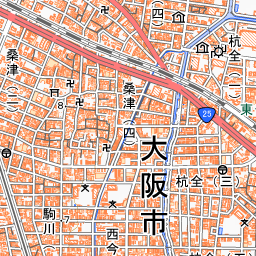
Spot location © OpenStreetMap contributors (ODbL)
Open in Google MapsUse asobot while you walk
- See where you are on the map and find spots nearby
- Listen to the guide's audio in course order, one after another (with subtitles)
- Walk to the next spot while following the map
Open on your phone
Scan to open this spot in asobot on your phone.