 ✨ AI Generated
Shoren-ji Temple
Japanese: 照蓮寺
Takehara, Hiroshima
This information was written by AI and may contain mistakes. Please check official sources for opening hours, fees, and other details before you go.
Found a mistake? Let us know with “✏️ Something's wrong” on this spot's screen in asobot →
🎧 Audio guide(1:00)
In short
Shoren-ji Temple is a temple of the Jodo Shinshu Hongwanji-ha school located within the Takehara Historic Preservation District. In medieval times, it was a Zen temple named Jorin-in Temple, which is said to have served as an academy for the local Kobayakawa clan. During the Edo period, it served as a place of learning where scholars from Takehara gathered, including the brothers Rai Shunsui and Rai Shunpu.
- Goryeo Bell (Important Cultural Property of Japan): A bronze bell cast on the Korean Peninsula during the Goryeo period, it bears an inscription corresponding to the year 963, making it one of the oldest Goryeo bells in Japan
- Dragon Carving and Large Onigawara on the Sanmon Gate: The Sanmon gate features a carving of a dragon, and a large onigawara (ogre-faced ridge-end tile) said to ward off evil is also known as one of the highlights
- Grave Site of the Rai Family: On the temple grounds are the graves of the Rai family spanning generations, including that of Rai Shunpu
History and Highlights
Shoren-ji Temple is a temple of the Jodo Shinshu Hongwanji-ha school located within the Takehara Historic Preservation District. In medieval times, it was a Zen temple named Jorin-in Temple, which is said to have served as an academy for the local Kobayakawa clan. In 1603, at the beginning of the Edo period, it was converted to Jodo Shinshu, and the main hall was rebuilt in the Jodo Shinshu architectural style in 1737.
During the Edo period, the temple served as a place of learning where scholars from Takehara gathered. Among them were the brothers Rai Shunsui and Rai Shunpu. The Confucian scholar Rai Sanyo was born into the Rai family, whose ancestral home is Takehara, as the son of Rai Shunsui. Shoren-ji Temple is a temple that conveys the history of such scholarship and culture in Takehara to the present day.
Viewing and Experience Highlights
- Goryeo Bell (Important Cultural Property of Japan): The bronze bell on the temple grounds was cast on the Korean Peninsula during the Goryeo period and is known as the "Goryeo Bell." It bears an inscription corresponding to the year 963, making it one of the oldest Goryeo bells in Japan. Said to have been handed down since the temple was a Zen institution, it was designated as an Important Cultural Property of Japan in 1910.
- Dragon Carving and Large Onigawara Roof Tile on the Sanmon Gate: The Sanmon gate features a carving of a dragon, and a large onigawara (ogre-faced ridge-end tile) believed to ward off evil is also known as one of the temple's highlights. Look up at the roof to find them.
- Grave Site of the Rai Family: On the temple grounds are the graves of the Rai family spanning generations, including that of Rai Shunpu. Here, you can sense the deep connection between this temple and the Rai family, renowned as a family of scholars in Takehara.
Tips for Strolling
When looking at the Goryeo Bell, try to spot the differences between it and Japanese bells. While the hanging loop (ryuzu) of a Japanese bell depicts two dragons, that of a Goryeo bell depicts a single dragon, accompanied by a cylinder-like sound tube beside it. On the former site of the "Takehara Shoin" academy, with which the brothers Rai Shunsui and Rai Shunpu were involved, stands the Takehara City History and Folklore Museum. Within the same historic district, you will also find Fumeikaku Hall of Saiho-ji Temple. The history of the townscape is introduced under "Takehara Historic Preservation District," and individual highlights are covered in their respective entries.
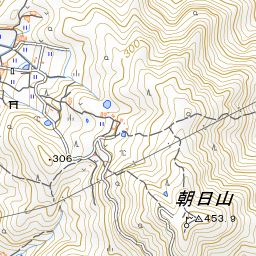
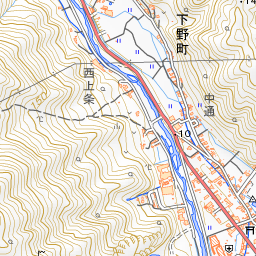

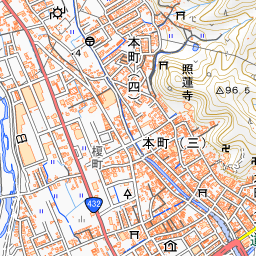

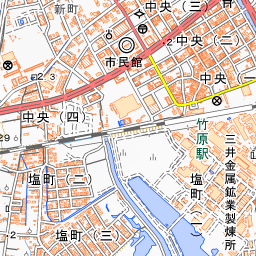

Spot location © OpenStreetMap contributors (ODbL)
Open in Google MapsUse asobot while you walk
- See where you are on the map and find spots nearby
- Listen to the guide's audio in course order, one after another (with subtitles)
- Walk to the next spot while following the map
Open on your phone
Scan to open this spot in asobot on your phone.