 ✨ AI Generated
Kengoshizuka Kofun Burial Mound
Japanese: 牽牛子塚古墳
Asuka Village, Nara
This information was written by AI and may contain mistakes. Please check official sources for opening hours, fees, and other details before you go.
Found a mistake? Let us know with “✏️ Something's wrong” on this spot's screen in asobot →
🎧 Audio guide(1:07)
In short
Kengoshizuka Kofun Burial Mound is an octagonal tumulus dating from around the latter half of the 7th century, located in Koshi, Asuka Village. The octagonal shape was adopted for imperial mausoleums during the Asuka period, and the leading theory suggests it was built for Empress Saimei and her daughter, Princess Hashihito. It is one of the component assets of the World Heritage property "Ancient Capitals of Asuka and Fujiwara."
- A gleaming white octagonal tumulus: The mound, measuring about 22 meters between opposite sides, was restored to its original appearance upon completion of renovation work in 2022.
- Two burial chambers: A stone chamber carved out of a massive block of tuff stone to create two side-by-side chambers.
- Koshitsukagomon Kofun Burial Mound: A tumulus discovered adjacent to the southeast side, drawing attention for its connection to descriptions in the Nihon Shoki.
History and Highlights
Kengoshizuka Kofun Burial Mound is a terminal-period tumulus representative of the Asuka period, constructed around the latter half of the 7th century. Because its octagonal mound resembled the petals of a morning glory, it has long been known as "Asagaozuka" (Morning Glory Mound). The current name comes from applying the kanji characters for "Kengoshi," which mean morning glory, to the site.
Octagonal burial mounds were a form adopted for imperial mausoleums of the Asuka period. An excavation in 2009 revealed that the mound was an octagonal structure measuring about 22 meters between opposing sides and over 4.5 meters in height. Cut stones of tuff were laid around the base, and large quantities of cut stones were also unearthed directly above them. The entire mound was decorated with cut tuff stones.
The leading theory regarding the occupants is that it entombs Empress Saimei and her daughter, Princess Hashihito. An entry in the Nihon Shoki for the 6th year of Emperor Tenji's reign states that Princess Ota was buried in front of Ochinookanoe no Misasagi, where Empress Saimei and Princess Hashihito were jointly interred. The discovery of Koshitsukagomon Kofun Burial Mound directly adjacent to the southeast drew widespread attention for matching this description. Meanwhile, the mausoleum officially designated for Empress Saimei by the Imperial Household Agency is located in Kurumaki, Takatori Town.
Work to restore the tumulus to its original appearance at the time of construction began in fiscal year 2017, and it has been open to the public since March 6, 2022. Local village children and project stakeholders wrote inscriptions on the stone slabs that clad the mound. It was designated as a Historic Site in 1923, marking its centenary in 2023. It is also a component asset of the World Heritage property "Ancient Capitals of Asuka and Fujiwara."
Viewing and Experience Highlights
- Octagonal Mound: Standing atop a hill, the gleaming white tumulus comes into view. In Chinese thought, the eight directions represent the entire realm, and one view suggests the octagonal form was adopted for imperial tombs as a symbol of ruling the entire country. Located on the ridge's summit, it also offers panoramic views of the surrounding area.
- Two-Chamber Stone Crypt: The burial facility is a stone crypt carved out of a massive tuff boulder, opening toward the south. On either side of a central dividing wall are burial chambers about 2 meters in length. It is normally viewed from outside a fence or gate, and special viewings inside the stone chamber require advance reservations.
- Koshitsukagomon Kofun Burial Mound: Believed to be a square mound measuring approximately 10 meters on each side. Its stone chamber was carved out of a massive boulder of quartz diorite and contains a single burial room. Kengoshizuka Kofun Burial Mound was constructed first.
Tips for Exploring
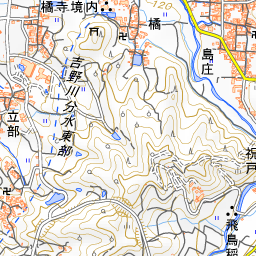
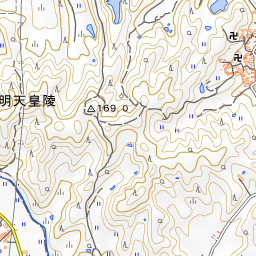
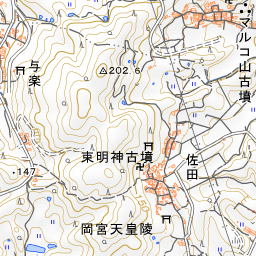
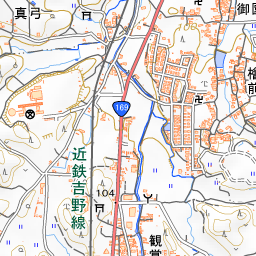
It is about a 15-minute walk or a 5-minute bicycle ride from Kintetsu Asuka Station. Walking through the rural countryside, you will see the tumulus atop the hill. There are no parking facilities or restrooms on site. If arriving by car, use the parking lots at Asuka Station or Agri Station Asuka, and be sure to use the restrooms around the station beforehand.
About 1.3 kilometers to the east lies the Nakaoyama Kofun Burial Mound, which is also octagonal. To its south is the Takamatsuzuka Kofun Burial Mound.

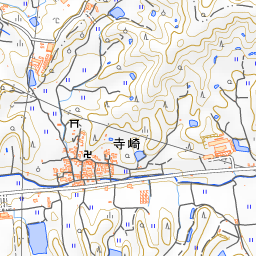
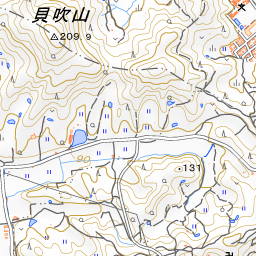
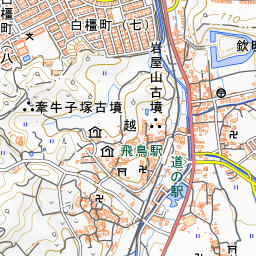
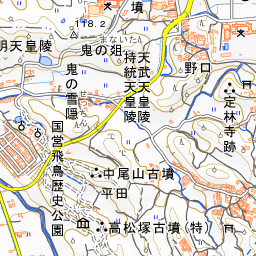
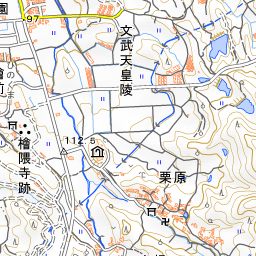
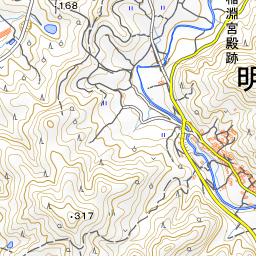
Spot location © OpenStreetMap contributors (ODbL)
Open in Google MapsGuides that include this spot (1)
Use asobot while you walk
- See where you are on the map and find spots nearby
- Listen to the guide's audio in course order, one after another (with subtitles)
- Walk to the next spot while following the map
Open on your phone
Scan to open this spot in asobot on your phone.