 ✨ AI Generated
Nii Rice Terraces
Japanese: 新井の棚田
Ine Town, Kyoto
This information was written by AI and may contain mistakes. Please check official sources for opening hours, fees, and other details before you go.
Found a mistake? Let us know with “✏️ Something's wrong” on this spot's screen in asobot →
🎧 Audio guide(1:04)
In short
Terraced rice fields in the Niizaki area of Ine Town, also called Nii-no-Senmaida (thousand rice paddies of Nii) because of the large number of fields they once contained. On a steep cliff, narrow paddies following the contour lines open out toward Wakasa Bay, and at their peak there were around 800 paddies. They are currently fallow, and farming is no longer practiced in any of the paddies.
- Traces of the paddies and the sea view: In the traces of narrow paddies carved into the steep cliff and the open sea beyond, visitors can sense the history of coastal life
- Kanmurijima Island and Kutsujima Island: Photographs capturing Kanmurijima Island and Kutsujima Island floating in Wakasa Bay behind the rice terraces were popular among photography enthusiasts
- Legend of Xu Fu: In the same Niizaki area stands Niizaki-jinja Shrine, which enshrines Xu Fu, who according to legend crossed the sea in search of a herb of immortality
History and Highlights
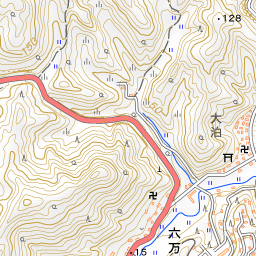
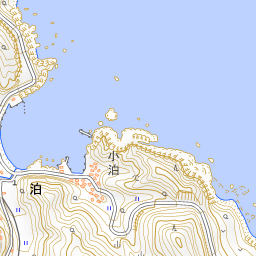
The Nii Rice Terraces are terraced rice fields located in Nii, Ine Town. Located in the Niizaki area, they have also been called Nii-no-Senmaida (thousand rice paddies of Nii) because of the large number of fields they once contained. They are part of the Tango Peninsula coastal area of Tango-Amanohashidate-Mt. Oe Quasi-National Park, and are known as a scenic spot featuring a beautiful combination of terraced fields and the Sea of Japan.
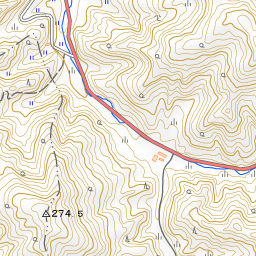
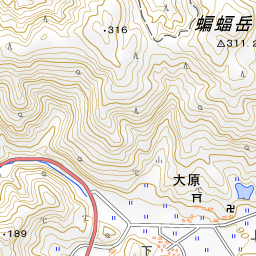
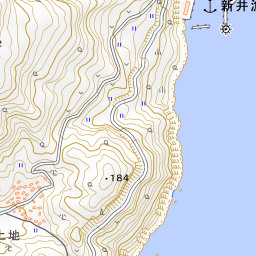
The rice terraces are located past the village of Ohara along a town road accessible from National Route 178, which encircles the Tango Peninsula. Clinging to the steep cliff below the town road, they open out toward Wakasa Bay. Many of the paddies are narrow strips along the contour lines, often only a few meters wide. At their peak, there were around 800 paddies covering a cultivated area of about 3 hectares.
Viewing and Experience Points
- Currently Fallow Fields: The Nii Rice Terraces are currently fallow, and farming is no longer practiced in any of the paddies. As the landscape differs significantly from photographs showing rice growing in the terraces, visitors should keep this in mind before coming.
- Kanmurijima Island and Kutsujima Island in Wakasa Bay: Photographs capturing Kanmurijima Island and Kutsujima Island floating in Wakasa Bay behind the rice terraces were once popular among photography enthusiasts. Looking out at the traces of narrow paddies carved into the steep cliff and the open sea beyond, visitors can sense the history of coastal life.
- Legend of Xu Fu: In the same Niizaki area, you will find Niizaki-jinja Shrine, which enshrines Xu Fu, who according to legend crossed the sea by order of the First Emperor of Qin in search of an elixir of immortality.
Travel Tips
The Nii Rice Terraces are located roughly 3 kilometers northeast in a straight line from the townscape of Funaya (boathouses) around Ine Bay. The surrounding area consists of narrow town roads and steep cliff terrain. Please be mindful of road widths and parking spots so as not to obstruct local traffic. Do not enter the fallow fields or step onto the cliff slopes; please view them quietly from the road.





Use asobot while you walk
- See where you are on the map and find spots nearby
- Listen to the guide's audio in course order, one after another (with subtitles)
- Walk to the next spot while following the map
Open on your phone
Scan to open this spot in asobot on your phone.