 ✨ AI Generated
Kiyomizu Kannon-do Hall
Japanese: 清水観音堂
Taito City, Tokyo
This information was written by AI and may contain mistakes. Please check official sources for opening hours, fees, and other details before you go.
Found a mistake? Let us know with “✏️ Something's wrong” on this spot's screen in asobot →
🎧 Audio guide(0:58)
In short
Kiyomizu Kannon-do Hall is a temple hall built in 1631 by High Priest Tenkai, modeled after Kiyomizu-dera Temple in Kyoto. Constructed in the same stage style (butai-zukuri) as Kiyomizu-dera, it is the oldest existing building on the hill of Ueno whose year of founding is clearly known. It is designated as an Important Cultural Property of Japan.
- The Stage and the Moon Pine: In front of the stage stands the "Moon Pine," whose branches curve into a circle. Depicted by Utagawa Hiroshige in "One Hundred Famous Views of Edo," the pine was restored in 2012.
- Secret Buddha Senju Kannon: The principal image was transferred from Kiyomizu-dera Temple in Kyoto and is said to be the work of Eshin Sozu. It is unveiled to the public only one day a year, on the Day of the First Horse in February.
- Kosodate Kannon: A Kannon associated with child conception, safe childbirth, and child-rearing. Numerous surrogate dolls are offered before the altar, and a memorial service for dolls is held every year on September 25.
History and Highlights
Kiyomizu Kannon-do Hall was built in 1631 (Kan'ei 8) by High Priest Tenkai, who founded Kan'ei-ji Temple. Tenkai successively erected halls patterned after famous temples on Mount Hiei and in Kyoto. This hall was modeled after Kiyomizu-dera Temple in Kyoto. It was built in the same stage style to commemorate the dedication of a statue of Senju Kannon from Kiyomizu-dera.
It was originally built on Suribachiyama, a hill that still exists in Ueno Park. Later, when it was decided that Konpon Chu-do Hall would be erected on the site of the present fountain square, the hall was relocated to its current spot in September 1694. Surviving the Battle of Ueno without burning down, it is the oldest surviving structure on the hill of Ueno with a confirmed construction year. It is a National Important Cultural Property, and its conservation repairs were completed in 1996.
The principal image is a hidden Buddha, Senju Kannon, said to have been carved by Eshin Sozu, a high-ranking priest of Mount Hiei during the Heian period. A legend remains of Taira no Morihisa, who appears in The Tale of the Heike. Morihisa, a devotee of this Kannon, was spared from execution when the executioner's sword broke. Because this miracle was said to have occurred in the year, day, and hour of the Horse, the principal image is unveiled to the public only one day a year, on the day of the "Hatsuuma Horaku" festival in February.
Highlights for Viewing and Experiences
- The Stage and the Moon Pine: The stage is built in the kake-zukuri (overhang) style, supported by long pillars and crossbeams. Looking toward Shinobazu Pond from the stage, you can see the "Moon Pine," whose branches bend into a circular shape. Depicted by Utagawa Hiroshige in "One Hundred Famous Views of Edo," it broke in a typhoon during the Meiji period and was restored in 2012. Through the circular branch, you can look out toward Shinobazu Pond and Bentendo Hall.
- Kosodate Kannon and Doll Memorial Service: Enshrined to the right of the principal image, Kosodate Kannon is a bodhisattva of fertility, safe delivery, and child-rearing. Numerous surrogate dolls dedicated by parents blessed with children are offered here. The doll memorial service is held every year on September 25 starting at 14:00.
- Shushiki-zakura: A cherry tree located behind the main hall. In the Edo period, a 13-year-old daughter of a confectioner in Nihonbashi hung a haiku on a branch while flower-viewing—"By the wellside / cherry blossoms are perilous / with wine-drunken steps"—and departed, reportedly earning praise from Rinnoji-no-miya. The current cherry tree is said to be approximately the ninth generation.
Tips for Exploring
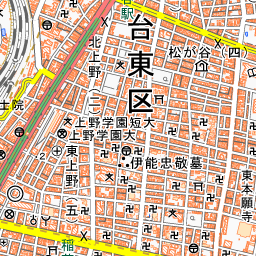
It is a 4-minute walk from JR Ueno Station or Keisei Ueno Station. It stands near the statue of Saigo Takamori. Stroll along Sakura-dori Street, walk up onto the stage, and peer through the circular loop of the Moon Pine toward Shinobazu Pond.
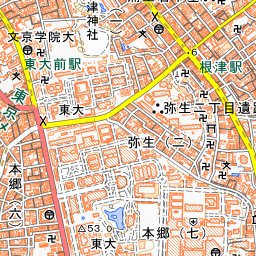
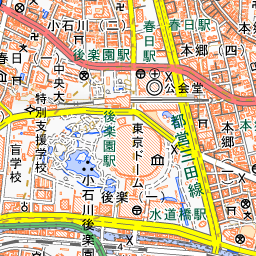
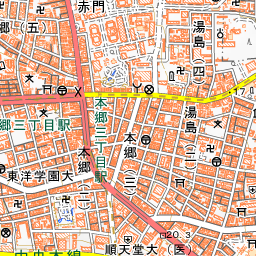
Ueno Park is crowded with visitors during the cherry blossom season. Shinobazu Pond is about 260 meters to the west-southwest, and Ueno Toshogu Shrine is about 390 meters to the northwest.
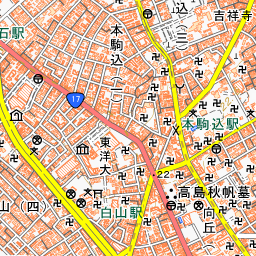

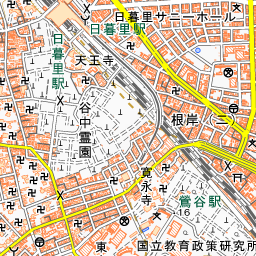
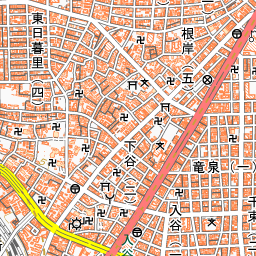
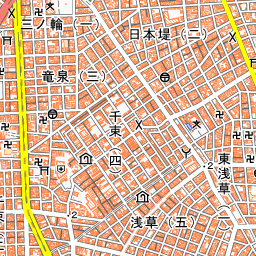





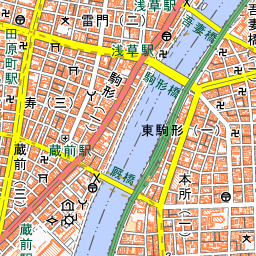
Spot location © OpenStreetMap contributors (ODbL)
Open in Google MapsUse asobot while you walk
- See where you are on the map and find spots nearby
- Listen to the guide's audio in course order, one after another (with subtitles)
- Walk to the next spot while following the map
Open on your phone
Scan to open this spot in asobot on your phone.