 ✨ AI Generated
Konno Hachimangu Shrine
Japanese: 金王八幡宮
Shibuya City, Tokyo
This information was written by AI and may contain mistakes. Please check official sources for opening hours, fees, and other details before you go.
Found a mistake? Let us know with “✏️ Something's wrong” on this spot's screen in asobot →
🎧 Audio guide(1:02)
In short
Located about a 5-minute walk from Shibuya Station, this is the general tutelary shrine (sochinju) of Shibuya and Aoyama. It was established in 1092 during the Kanji era. It is also said that the origin of Shibuya traces back to when the Shibuya clan built their residence centered around this Hachiman shrine. The name of the shrine is derived from Shibuya Konnomaru.
- Early Edo Period Main Hall: Built in 1612 by Aoyama Tadatoshi and Kasuga no Tsubone in the gongen-zukuri style, this shrine pavilion is a Shibuya City Designated Tangible Cultural Property.
- Konno-zakura Cherry Tree: A rare cherry tree where single and double-petaled blossoms bloom mixed together on a single branch, it was counted as one of Edo's Three Famous Cherries.
- Stone of Shibuya Fortress: A stone from the Shibuya clan's former fortress that once stood here is preserved within the grounds.
History and Highlights
Konno Hachimangu Shrine is a shrine that has long been revered as the general tutelary shrine of Shibuya and Aoyama. It was enshrined in 1092.
According to its history, Kawasaki Motoie joined the forces of Minamoto no Yoshiie during the Gosannen War (Later Three-Year War) and achieved great military feats. Believing that this victory was due to the divine protection of the Hachiman deity in whom Motoie placed his faith, Minamoto no Yoshiie is said to have welcomed the Hachiman deity to this land. Motoie's son, Shigeie, was granted the surname Shibuya by Emperor Horikawa and built a residence centered around the Hachiman shrine. This is also said to be the origin of Shibuya. This Shibuya Castle was burned down in a battle in 1524.
The shrine's name originates from Shigeie's son, Shibuya Konnomaru Tsunemitsu. At the age of 17, Konnomaru followed Minamoto no Yoshitomo and achieved great distinction in the Hogen Rebellion. Formerly known by names such as Shibuya Hachimangu, it came to be called Konno Hachimangu Shrine owing to Konnomaru's renown.
The current shrine building was constructed in 1612. It was built by Aoyama Tadatoshi, the mentor of the future third shogun Iemitsu, and Iemitsu's wet nurse, Kasuga no Tsubone. Retaining early Edo period architectural style in the gongen-zukuri style, it is designated as a Tangible Cultural Property of Shibuya City.
Viewing and Experience Points
- Carvings of the Shrine Building: On the left and right sides of the front of the worship hall (haiden), carvings of a baku (a mythical beast) and a tiger are placed. The baku carries a prayer for peace in the world, while the tiger embodies a prayer for righteous governance.
- Konno-zakura Cherry Tree: Belonging to the Choshuhizakura variety, this is a rare cherry blossom where both single-layer and multi-layered (double) flowers bloom mixed together on the same branch. Minamoto no Yoritomo is said to have transplanted and named it in memory of Konnomaru's loyalty. Counted as one of Edo's Three Famous Cherries, it continues to be nurtured and replanted from seed to this day. It is a Shibuya City Designated Natural Monument. Nearby stands a monument inscribed with Matsuo Basho's haiku: "shibaraku wa / hana no ue naru / tsukiyo kana" (For a while / upon the blossoms / the moonlit night).
- Akamon Gate and Stone of Shibuya Fortress: Passing through the torii gate, visitors will find the shrine gate known colloquially as the "Akamon" (Red Gate). This gate is also a Shibuya City Designated Tangible Cultural Property. To the left of the worship hall, a stone from the Shibuya fortress is preserved.
Walking Tips
It is situated about a 5-minute walk from Exit C1 of Shibuya Station, just behind the Shibuya Police Station. Pass through the torii gate and the Akamon gate toward the shrine pavilion, and look up at the carvings of the baku and tiger at the front of the worship hall. Inside the Konnomaru Miei-do hall on the grounds, a wooden statue of himself that Konnomaru carved at age 17 before departing for battle and left to his mother is enshrined. This wooden statue is specially opened to the public every year during the Konnomaru Festival on the last Saturday of March. September 14 is the day of the shrine's largest annual festival (Reisai). The observation facility SHIBUYA SKY is located about 370 meters to the west.
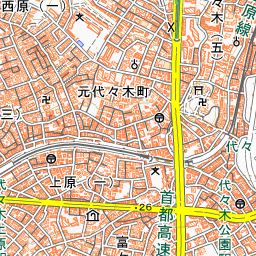
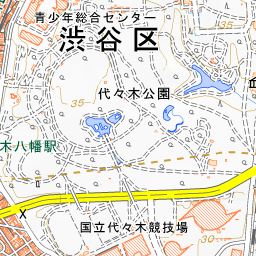
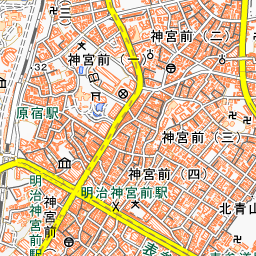
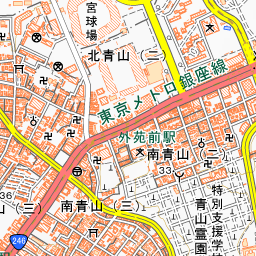
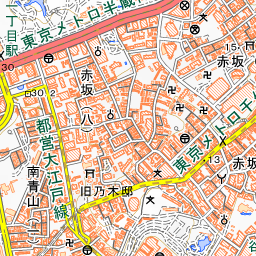
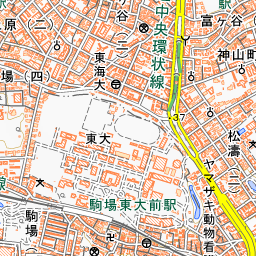
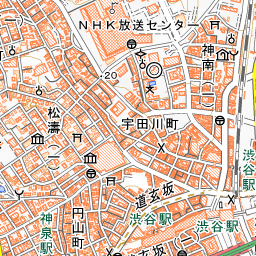
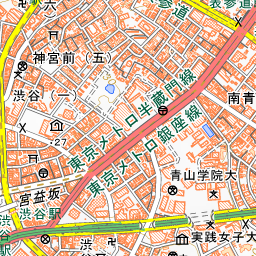
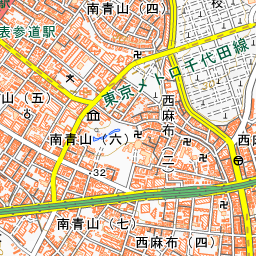
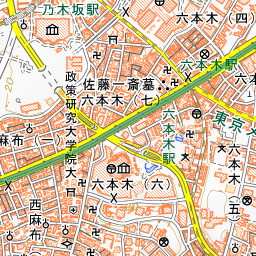

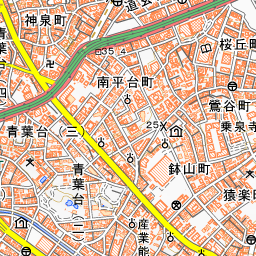
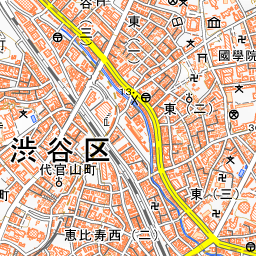
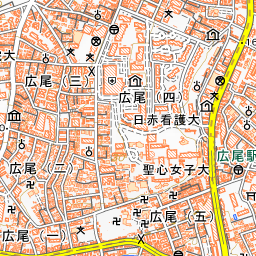
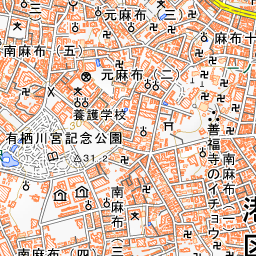
Spot location © OpenStreetMap contributors (ODbL)
Open in Google MapsUse asobot while you walk
- See where you are on the map and find spots nearby
- Listen to the guide's audio in course order, one after another (with subtitles)
- Walk to the next spot while following the map
Open on your phone
Scan to open this spot in asobot on your phone.