 ✨ AI Generated
Tennoji Zoo
Japanese: 天王寺動物園
Tennoji Ward, Osaka
This information was written by AI and may contain mistakes. Please check official sources for opening hours, fees, and other details before you go.
Found a mistake? Let us know with “✏️ Something's wrong” on this spot's screen in asobot →
🎧 Audio guide(0:59)
In short
A zoo that opened on January 1, 1915 (Taisho 4); following Tokyo's Ueno Zoo and the Kyoto City Zoo, it was the third zoo to open in Japan. Despite being located in the heart of Osaka, it houses approximately 170 species and 1,000 animals within its grounds of about 11 hectares.
- African Savanna Zone: A zone that recreates a savanna environment surrounded by rocky hills called kopjes. From the lion enclosure, you can observe carnivores and herbivores at the same time
- Penguin Park & Sea Lion Wharf: A facility opened in April 2023, where you can look through acrylic glass at a seascape with penguins and sea lions swimming freely
- Visiting at Opening Time Is Recommended: Zoo staff recommend visiting first thing in the morning, right when the gates open. Chimpanzees, hippos, and lions, which usually do not move much, move around a lot in the morning
History and Highlights
Tennoji Zoo opened on January 1, 1915 (Taisho 4). Following Tokyo's Ueno Zoo (opened in 1882) and the Kyoto City Zoo (opened in 1903), it was the third zoo to open in Japan. Having celebrated its 100th anniversary in 2015, it now boasts a history of over 110 years.
Despite being located in the heart of Osaka, the zoo houses approximately 1,000 animals across roughly 170 species within its grounds of about 11 hectares. Visitors can encounter a wide variety of animals, including lions, chimpanzees, and polar bears.
A key feature of this zoo is its "ecological display" approach, which reproduces the natural habitats of the animals as closely as possible and showcases how they live in the wild. Under Osaka City's "Tennoji Zoo 101 Plan," an "advanced ecological display" that brings out the animals' natural behaviors is set out as the goal for the next 100 years.
Viewing and Experience Highlights
- African Savanna Zone: This zone recreates a savanna environment surrounded by rocky kopjes, where hippopotamuses, giraffes, lions, and other animals live. From the lion enclosure, you can observe carnivores and herbivores at the same time, viewing the herbivores located just behind the lions. In the background, Abeno Harukas can also be seen.
- Penguin Park & Sea Lion Wharf: Opened in April 2023, this facility allows visitors to look through acrylic glass to watch penguins and sea lions swimming freely in a seascape setting.
- IFAR and Bird World: In IFAR, the reptile house, lives the Japanese pond turtle, a near-threatened species. In Bird World, you can observe up close the ecology of birds adapting to diverse environments.
Travel Tips
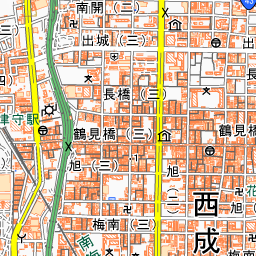
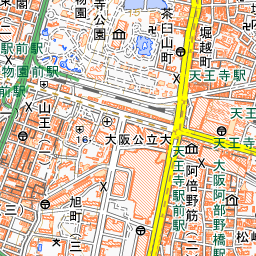
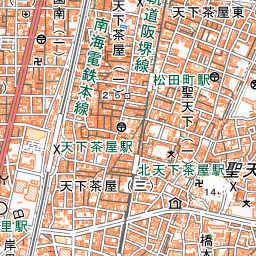
There are two entrances. The Shinsekai Gate is convenient from Osaka Metro's Dobutsuen-mae Station and Ebisucho Station, while the Tenshiba Gate is close to JR and Osaka Metro Tennoji Station; both entrances are about a 5 to 10-minute walk away. Zoo staff recommend visiting first thing in the morning right when the gates open. You can see the animals coming out of their night quarters and having breakfast, and chimpanzees, hippos, and lions—which are often less active during the day—are particularly lively in the morning. About 210 meters to the east is the Osaka City Museum of Fine Arts, allowing visitors to stroll around inside Tennoji Park.

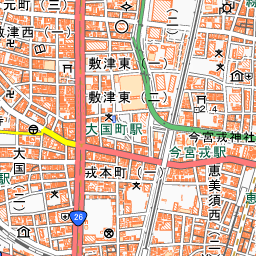
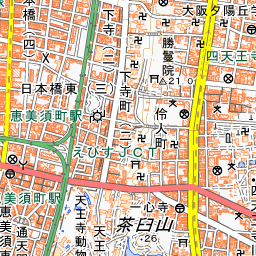
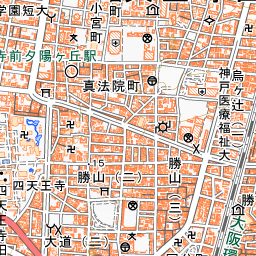
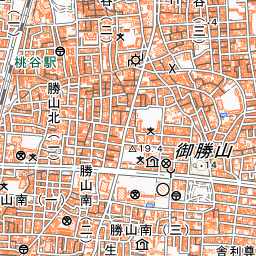


Spot location © OpenStreetMap contributors (ODbL)
Open in Google MapsGuides that include this spot (1)
Use asobot while you walk
- See where you are on the map and find spots nearby
- Listen to the guide's audio in course order, one after another (with subtitles)
- Walk to the next spot while following the map
Open on your phone
Scan to open this spot in asobot on your phone.