 ✨ AI Generated
Chokyu-ji Temple
Japanese: 長弓寺
Ikoma, Nara
This information was written by AI and may contain mistakes. Please check official sources for opening hours, fees, and other details before you go.
Found a mistake? Let us know with “✏️ Something's wrong” on this spot's screen in asobot →
🎧 Audio guide(1:00)
In short
Chokyu-ji Temple is a temple with the mountain name Mayumisan, located in Kamimachi, Ikoma City. Its main hall was built in 1279 and is designated as a National Treasure as a representative work of Japanese-style (wayo) Buddhist hall architecture from the Kamakura period. It is the only building designated as a National Treasure in Ikoma City.
- National Treasure Main Hall: Featuring a hip-and-gable roof (irimoya-zukuri) covered with cypress bark shingles (hiwadabuki), it is a precious structure whose exact year of construction is known thanks to ridge beams inscribed with the date "second year of Koan."
- Origin of the Temple's Name: According to tradition, Emperor Shomu ordered Gyoki to build the temple to mourn Ono no Mayumi Takeyumi, who was accidentally shot and killed during a hunt.
- Seasonal Flowers: Known as a viewing spot for hydrangeas, the grounds are also adorned by seasonal blossoms such as cherry blossoms.
History and Highlights
Chokyu-ji Temple is a temple carrying the mountain name Mayumisan, located in Kamimachi, Ikoma City. Today, three sub-temples (tatchu) protect the National Treasure main hall and the precincts. The founding of the temple is attributed to Gyoki according to tradition, but there are multiple theories and the exact origin remains unclear.
Regarding the origin of the temple's name, the following tale has been passed down. In the Nara period, Ono no Mayumi Takeyumi, a local chieftain, often went hunting in this area accompanying Emperor Shomu along with his adopted son, Nagamaro. One day in the 5th year of Jinki (728), Nagamaro attempted to shoot down an unusual bird that flew out of the forest, but accidentally shot his father, Takeyumi. Taking deep pity on him, the Emperor is said to have ordered Gyoki to erect this temple to pray for Takeyumi's soul in the afterlife, enshrining an Eleven-Headed Kannon.
In the main hall, ridge beams bearing the ink inscription "second year of Koan" survive in three sections. From these, it is known that the main hall was built in 1279. At the time, donations did not gather as hoped due to the Mongol invasions, and it appears the structure remained with a temporary roof for about 60 years. Although the temple later declined due to events such as the Onin War and the anti-Buddhist movement (haibutsu kishaku) of the Meiji period, the main hall has survived to this day following a large-scale dismantling and repair project in 1935.
Points for Appreciation and Experiences
- Appearance of the Main Hall: Standing on a low podium, the main hall is an irimoya-zukuri structure with a roof thatched with cypress bark (hiwadabuki). Paneled doors (sankarado) are installed in the three central bays of the facade, and kaerumata (frog-leg struts) decorate the spaces between the bracket complexes. Influences of the Daibutsu-yo (Great Buddha style) can be seen in details such as the carvings on the ends of the rainbow beams (koryo).
- Principal Image, the Eleven-Headed Kannon: The interior of the main hall is divided into an inner sanctum (naijin) and an outer sanctum (gejin). The principal image, a wooden standing statue of the Eleven-Headed Kannon, is a National Important Cultural Property along with its black-lacquered zushi (miniature shrine). An anecdote remains that the Buddha faces atop the Kannon's head were carved using the handle of Emperor Shomu's bow.
- Seasonal Flowers: Chokyu-ji Temple is known as a spot for viewing hydrangeas. Seasonal flowers, including cherry blossoms, also decorate the grounds.
Strolling Tips
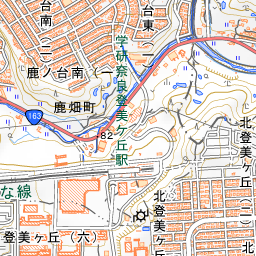
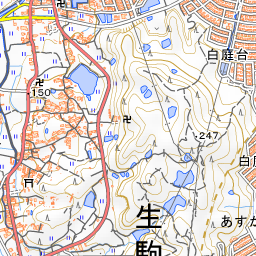
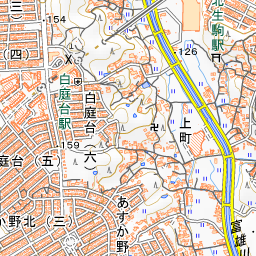
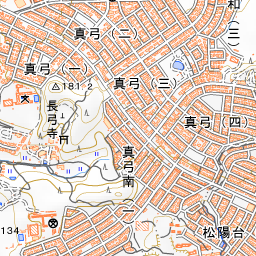
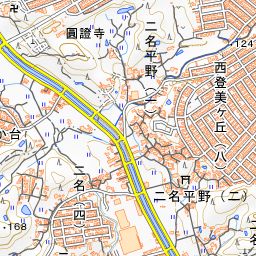
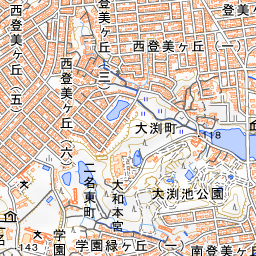
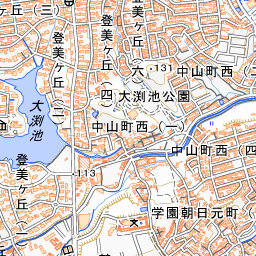
It is about 0.9 km southeast of Gakken Kita-Ikoma Station on the Kintetsu Keihanna Line, taking about 17 minutes on foot. If traveling by car, it is convenient to use Prefectural Route 7 along the Tomio River. From the road along the Tomio River, turn using a bridge with red railings as a landmark. Within the grounds, head toward the main hall up a gentle slope with the lotus pond featuring red railings on your left. Take your time to admire the curves of the cypress bark roof set against the forest backdrop. The main hall of Ryosen-ji Temple in Nara City, built around the same time, is also a National Treasure, so comparing the two is also recommended.
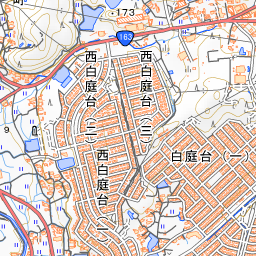
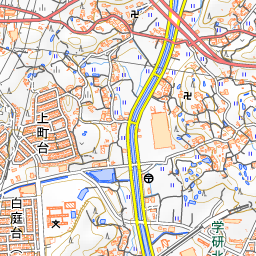
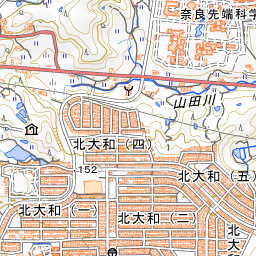
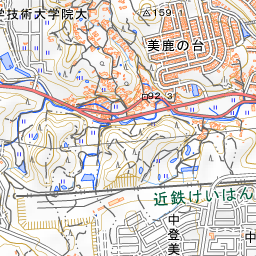
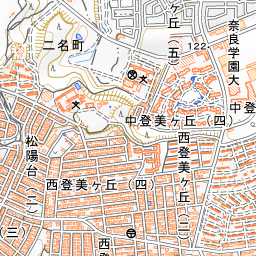
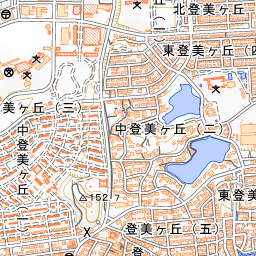
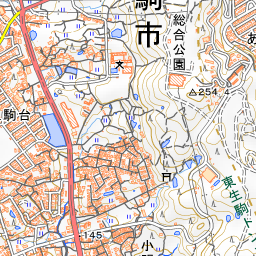
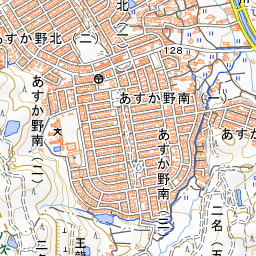
Spot location © OpenStreetMap contributors (ODbL)
Open in Google MapsGuides that include this spot (1)
Use asobot while you walk
- See where you are on the map and find spots nearby
- Listen to the guide's audio in course order, one after another (with subtitles)
- Walk to the next spot while following the map
Open on your phone
Scan to open this spot in asobot on your phone.