 ✨ AI Generated
Iwafune-jinja Shrine
Japanese: 磐船神社
Katano, Osaka
This information was written by AI and may contain mistakes. Please check official sources for opening hours, fees, and other details before you go.
Found a mistake? Let us know with “✏️ Something's wrong” on this spot's screen in asobot →
🎧 Audio guide(1:14)
In short
A shrine in Kisaichi, Katano City, at the northern edge of the Ikoma mountain range on the border between Kawachi and Yamato, enshrining Nigihayahi-no-Mikoto, who is considered a distant ancestral deity of the Mononobe clan. It is the site of the descent where Nigihayahi-no-Mikoto is said to have come down aboard the Ame-no-Iwafune, and its goshintai is the "Ame-no-Iwafune," a massive ship-shaped rock 12 meters high and 12 meters wide, on which the deity is said to have arrived.
- Goshintai "Ame-no-Iwafune": A massive rock behind the worship hall, lying as if spanning the Amano River. It is also said that during the construction of Osaka Castle, Kato Kiyomasa tried to carry this rock away but could not, and gave up after carving "Kato Higo-no-kami Kiyomasa" onto it
- Gankutsu-meguri (Cave Exploration): The cave formed by piled-up giant rocks has long been known as a training ground for Shinto practitioners and Shugendo ascetics, and today general visitors can enter it. Solo entry is not permitted, and the cave is closed on rainy days. Photography inside is prohibited
- Stone Buddhas of Shinto-Buddhist Syncretism: On the large rock beside the Ame-no-Iwafune, facing the Amano River, four figures are carved: Dainichi Nyorai, Kannon Bosatsu, Jizo Bosatsu, and Seishi Bosatsu, preserving the appearance of Shinto-Buddhist syncretism to this day
History and Highlights
Iwafune-jinja Shrine is located in Kisaichi, Katano City, at the northern edge of the Ikoma mountain range on the border between the historic provinces of Kawachi and Yamato. It enshrines Nigihayahi-no-Mikoto, who is considered an ancient ancestral deity of the Mononobe clan.
According to legend, Nigihayahi-no-Mikoto was granted the Ten Sacred Treasures by Amaterasu Omikami and descended to "Takerugamine at Kawakami in Kawachi Province" aboard the Ame-no-Iwafune (heavenly rock boat). This shrine is said to be the site of that descent, and its goshintai (sacred object of worship) is the Ame-no-Iwafune upon which the deity is said to have arrived. It is a massive rock in the shape of a ship, measuring 12 meters in height and 12 meters in width, spanning across the Amano River. It is said that the name "Yamato" originated when the deity looked down upon this land from the sky and proclaimed it "Soramitsu Yamato no Kuni" (the sky-seen land of Yamato).
In ancient times, Nigihayahi-no-Mikoto's descendants, the Mononobe clan, conducted the rituals here. Later, the Sumiyoshi deities were also enshrined, and in the Kamakura period, four stone Buddhas were carved into the great rock as their honjibutsu (original Buddhist counterparts). A relief of Fudo Myoo, bearing an inscription dating to the 14th year of Tenbun (1545), is also carved into a large rock on the shrine grounds. Although the shrine experienced periods of neglect during the Edo period, it was restored after the Meiji Restoration.
Points for Viewing and Experiencing
- Goshintai "Ame-no-Iwafune": A massive ship-shaped rock located behind the worship hall (haiden). Legend has it that during the construction of Osaka Castle, Kato Kiyomasa attempted to transport this rock but was unable to do so, ultimately carving "Kato Higo-no-kami Kiyomasa" onto the rock before giving up.
- Gankutsu-meguri (Cave Exploration): Formed by piled-up giant rocks, this cave has long been known as a training ground for Shinto practitioners and Shugendo ascetics, and general visitors can enter today. The route includes a narrow opening barely large enough for one person to squeeze through, as well as rushing rapids flowing in from the Amano River. Passing through the narrow opening is said to bring spiritual rebirth.
- Stone Buddhas of Shinto-Buddhist Syncretism: On the large rock beside the Ame-no-Iwafune, facing the Amano River, are carved four Buddhist figures: Dainichi Nyorai, Kannon Bosatsu, Jizo Bosatsu, and Seishi Bosatsu. Unaffected by the anti-Buddhist movement of the Meiji period (haibutsu kishaku), they preserve the appearance of Shinto-Buddhist syncretism to this day.
Tips for Exploring
Inside the cave, apart from a few bridges and steps, conditions are completely natural. Solo entry is not permitted, so be sure to visit with two or more people. The cave tour is suspended on rainy days, and it may also be closed due to rain from the previous day. Expect your clothes—especially the back and seat—to get dirty. Tight skirts and clothing that restrict leg movement are not suitable. Photography inside the cave is prohibited.
From Kisaichi Station on the Keihan Katano Line, it is about 3.5 kilometers and takes approximately 45 minutes on foot. From the north exit of Kintetsu Ikoma Station, take the Nara Kotsu bus bound for Kitatawara to the final stop, and walk north for about 15 minutes. The scenic Iwafune Gorge created by the Amano River also features many giant rocks and is designated as a Scenic Beauty of Osaka Prefecture. About 740 meters west-northwest is Hoshida Park, home to the "Hoshi no Buranko" suspension bridge.


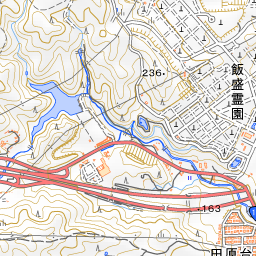


Spot location © OpenStreetMap contributors (ODbL)
Open in Google MapsGuides that include this spot (1)
Use asobot while you walk
- See where you are on the map and find spots nearby
- Listen to the guide's audio in course order, one after another (with subtitles)
- Walk to the next spot while following the map
Open on your phone
Scan to open this spot in asobot on your phone.