 ✨ AI Generated
Hiraoka-jinja Shrine
Japanese: 枚岡神社
Higashiosaka, Osaka
This information was written by AI and may contain mistakes. Please check official sources for opening hours, fees, and other details before you go.
Found a mistake? Let us know with “✏️ Something's wrong” on this spot's screen in asobot →
🎧 Audio guide(1:09)
In short
An ancient shrine resting at the foot of Mt. Ikoma, known as the Kawachi-no-kuni Ichinomiya. It enshrines Amenokoyane no Mikoto, the ancestral deity of the Nakatomi clan, and his consort deity, Hime Mikami. Because these two deities were enshrined at Kasuga Shrine (now Kasuga Taisha Shrine) in Nara in the second year of Jingo-keiun (768), it is called "Moto-Kasuga." The current main sanctuary, built in the ninth year of Bunsei (1826), is in the Hiraoka-zukuri Style, with four sanctuary buildings standing side by side.
- Shimekake Shinji Ritual (Owarai Shinji): On the third Sunday of every December, the sacred rope is replaced with a new one, and a crowd of people laugh together in imitation of the myth of "the opening of the Ama-no-Iwato" to ward off the year's misfortunes and invite good fortune. It is a folk cultural property of Higashiosaka City
- Akigousai Festival and Kayuura Shinji Ritual: During the Akigousai Festival, the entry of taikodai (drum floats) into the shrine grounds and the pulling of danjiri (floats) take place, and at the Kayuura Shinji Ritual on January 15, red bean porridge is used to divine the year's crop yields and weather
- Sacred Forest and Hiraoka Plum Grove: The forest within the grounds is called "Hoki-no-Mori Forest" and was selected as one of the "100 Sceneries of Fragrance." The Hiraoka Plum Grove on the southern side of the grounds was revived as a new plum grove in 2021 (Reiwa 3), and about 280 plum trees bloom there in spring
History and Highlights
Hiraoka-jinja Shrine is an ancient shrine resting at the foot of Mt. Ikoma, known as the Kawachi-no-kuni Ichinomiya (the first shrine of Kawachi Province). Its name also appears in the Jinmyocho (register of deities) of the Engishiki. The main enshrined deity, Amenokoyane no Mikoto, is the ancestral deity of the Nakatomi clan, who oversaw rituals for the Imperial Court, and is enshrined alongside his consort deity, Hime Mikami.
According to shrine tradition, its origin dates back to three years before Emperor Jimmu's accession, when Ametaneko no Mikoto enshrined these two deities on Mt. Kamitsudake, up on the mountain. It is said to have been moved to its present location at the foot of the mountain in the first year of Hakuchi (650). In the second year of Jingo-keiun (768), the two deities were enshrined at Kasuga Shrine (now Kasuga Taisha Shrine) in Nara. For this reason, Hiraoka-jinja Shrine is called "Moto-Kasuga." Later, in the ninth year of Hoki (778), Takemikazuchi no Mikoto and Futsunushi no Mikoto were received from Kasuga Shrine, establishing the layout of four main sanctuary buildings lined up side by side.
The current main sanctuary was built in the ninth year of Bunsei (1826) through donations from parishioners. Known as the Hiraoka-zukuri Style, it consists of four brightly colored sanctuary buildings standing side by side, and is designated as a cultural property of Higashiosaka City.
Viewing and Experience Highlights
- Shimekake Shinji Ritual (Owarai Shinji): This ritual takes place on the third Sunday of every December. After replacing the sacred rope with a new one, participants laugh together in imitation of the myth of the opening of the Ama-no-Iwato (Heavenly Rock Cave) to ward off the year's misfortunes and invite good fortune. It is designated as an intangible folk cultural property of Higashiosaka City.
- Akigousai Festival and Kayuura Shinji Ritual: During the Akigousai Festival, the entry of taikodai (drum floats) into the shrine grounds and the pulling of danjiri (floats) take place. At the Kayuura Shinji Ritual on January 15, red bean porridge is cooked to divine the year's crop yields and weather conditions.
- Sacred Forest and Hiraoka Plum Grove: The forest within the grounds has long been called "Hoki-no-Mori Forest" and was selected as one of the "100 Sceneries of Fragrance" in 2001 (Heisei 13). All plum trees in the Hiraoka Plum Grove on the southern side of the grounds were once felled due to a viral disease, but it was revived as a new plum grove in 2021 (Reiwa 3), where about 280 plum trees bloom in spring.
Walking Tips
Exiting Hiraoka Station on the Kintetsu Nara Line, the approach to the shrine is just to the east, where climbing the stairs brings you to stone pillars bearing sacred ropes. The area around the shrine is where the historic Higashi-Koya Kaido and Kuragarigoe-Nara Kaido intersect. About 430 meters to the east-northeast of the grounds lies Hiraoka Park, and Mt. Kamitsudake, the site where the shrine was originally founded, can be ascended via the "Kamitsudake Course" hiking path that passes through the Hiraokayama Observation Deck. Going east-southeast up the Kuragarigoe-Nara Kaido for about 2 kilometers brings you to Kuragari Pass, which traverses the Ikoma Mountains. Approximately 1.4 kilometers to the north-northwest is Ishikiri Tsurugiya-jinja Shrine.
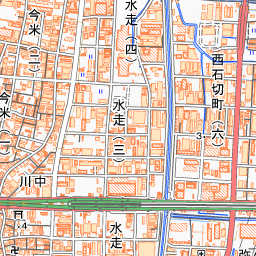
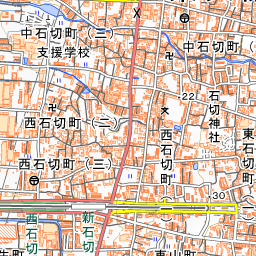
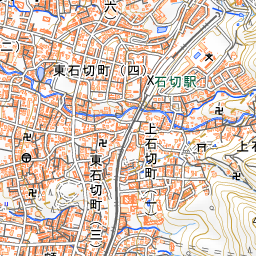
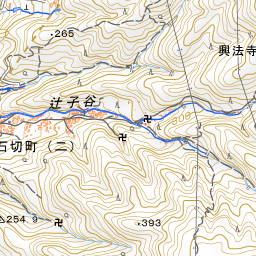
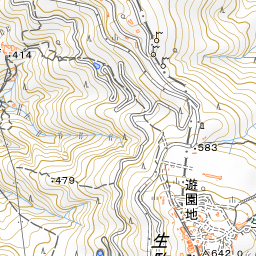
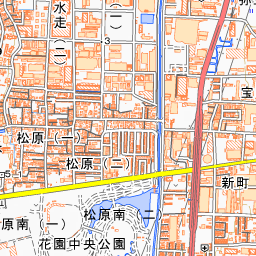
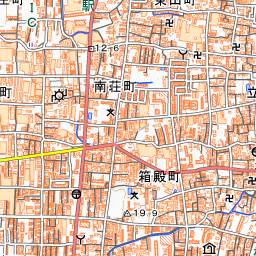
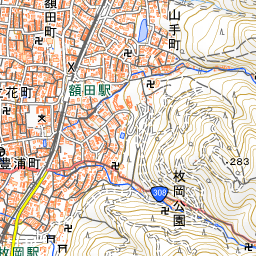
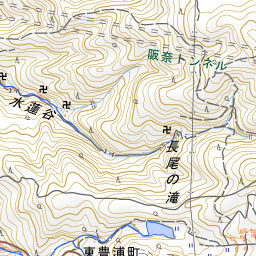
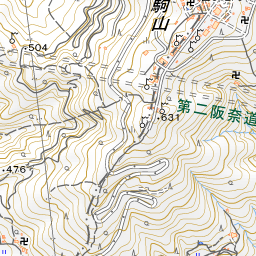

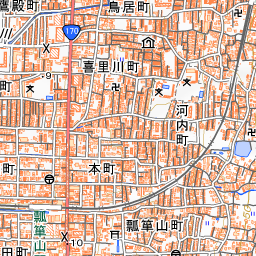
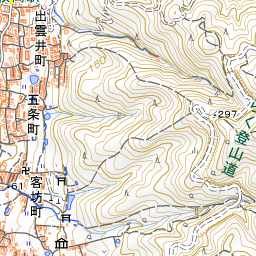
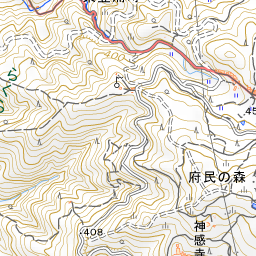
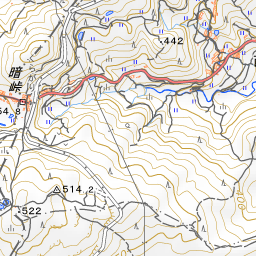
Spot location © OpenStreetMap contributors (ODbL)
Open in Google MapsGuides that include this spot (1)
Use asobot while you walk
- See where you are on the map and find spots nearby
- Listen to the guide's audio in course order, one after another (with subtitles)
- Walk to the next spot while following the map
Open on your phone
Scan to open this spot in asobot on your phone.