 ✨ AI Generated
Shibusawa Memorial Museum
Japanese: 渋沢史料館
Kita City, Tokyo
This information was written by AI and may contain mistakes. Please check official sources for opening hours, fees, and other details before you go.
Found a mistake? Let us know with “✏️ Something's wrong” on this spot's screen in asobot →
🎧 Audio guide(0:58)
In short
The Shibusawa Memorial Museum is a registered museum that conveys the thoughts and actions of Shibusawa Eiichi, who laid the foundations of modern Japanese economic society. It was established in 1982 on a corner of Asukayama Park, on the former site of Eiichi's residence, Aiisonso. Today, visitors can see the Main Building along with two structures from the Taisho period: Bankoro and Seien Bunko.
- Permanent Exhibition in the Main Building: Follow Eiichi's 91-year life through exhibits organized by age. You can also view only the ages that interest you.
- Eiichi's Words: Many words from his speeches and lectures are projected inside the exhibition room.
- Seien Bunko: A Western-style building featuring beautiful stained glass and tiles patterned with oak leaves, inspired by the Shibusawa family crest. It is designated as an Important Cultural Property of Japan.
History and Highlights
The Shibusawa Memorial Museum is a registered museum and an affiliated facility of a foundation that honors the thoughts and actions of Shibusawa Eiichi, who laid the foundations of modern Japanese economic society. Eiichi was born in 1840 and passed away in 1931. His pen name was Seien.
This site is the former location of Eiichi's residence, Aiisonso. Eiichi made this his main residence in 1901. In 1945, most of the residence was lost in a fire caused by an air raid, but some buildings and foundation stones still remain today.
The museum opened in 1982, utilizing the two Taisho-period buildings remaining from the former residence, Bankoro and Seien Bunko (both designated as Important Cultural Properties of Japan). In March 1998, the Main Building was added.
During his life, Eiichi was involved in fostering about 500 enterprises and devoted himself to about 600 social and public welfare causes as well as private-sector diplomacy. He did not establish all 500 companies by himself. In some cases, he founded them himself; in others, he provided advice, helped raise funds or recruit talent, or mediated disputes. About 60 percent of those approximately 500 companies still continue their operations in some form today, having undergone mergers, nationalization, or other transitions. Oji Paper and the Imperial Hotel are examples.
Tips for Viewing and Experiencing
- Age-by-Age Exhibition Units: In the permanent exhibition of the Main Building, you can follow his life sequentially from his birth in 1840, or you can view only the specific ages you choose. The drawers in each unit contain monthly overviews of Eiichi's activities and related materials.
- Eiichi's Daily Life and Words: Video footage of Eiichi during his lifetime offers a glimpse into his daily life. You can also trace Eiichi's thoughts on concepts such as the "Doctrine of the Unity of Morality and Economy" alongside documents written in his own hand.
- Stained Glass of Seien Bunko: This building was gifted by the Ryumonsha to commemorate both Eiichi's 80th birthday and his elevation from baron to viscount. Highlights include the oak leaf stained glass and tiles, inspired by the Shibusawa family crest "Maru ni Chigai-gashiwa" (crossed oak leaves inside a circle). During its construction in 1923, it was hit by the Great Kanto Earthquake, and Chinese classics such as the Analects of Confucius, which were slated to be stored in the book depository, burned at the place where they were being kept. The building was completed in 1925 and was used primarily for receiving guests.
Walking Tips
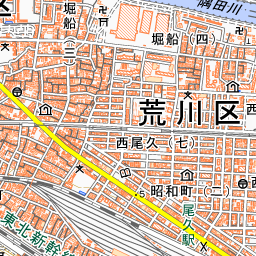
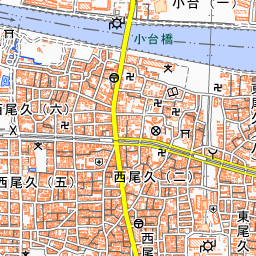
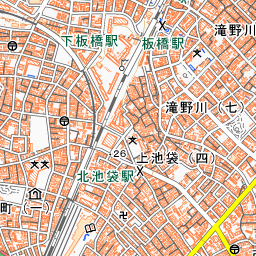
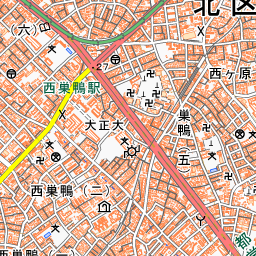
It is about a 5-minute walk from the South Exit of JR Oji Station, and about a 7-minute walk from Nishigahara Station on the Tokyo Metro Namboku Line.
First, trace Eiichi's life in the Main Building, and then step out into the Former Shibusawa Garden to view Seien Bunko and Bankoro. The admission fee covers all three buildings: the Main Building, Bankoro, and Seien Bunko. Bankoro is located about 80 meters east-southeast of the Main Building; further details are left to the Bankoro guide.
The Former Shibusawa Garden is closed on the days when the museum is closed. Bringing pets, eating, drinking, and smoking are prohibited inside the garden. The Kita City Asukayama Museum and the Paper Museum are also located inside the same Asukayama Park.
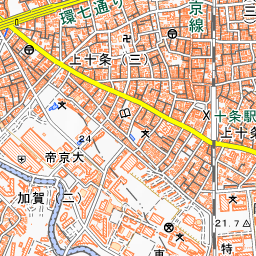
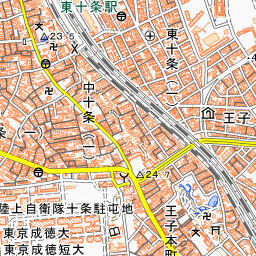
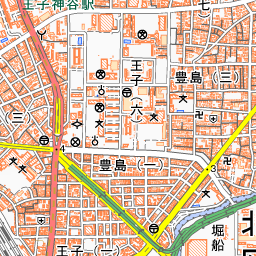
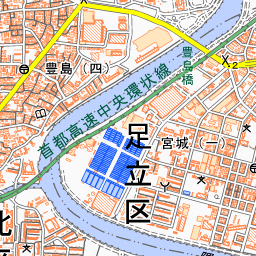
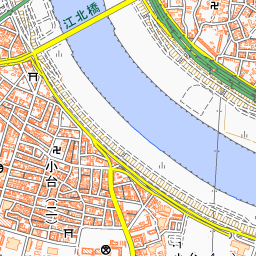
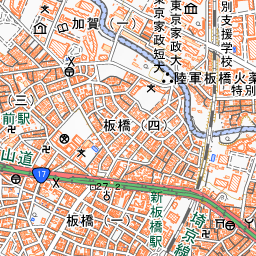
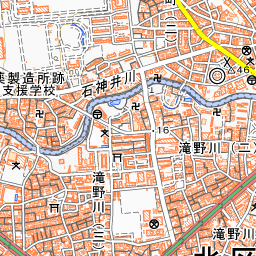
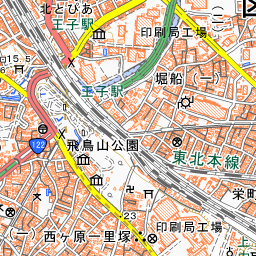
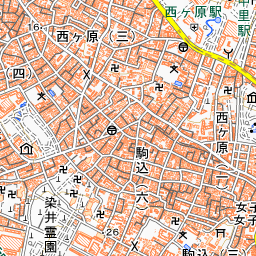
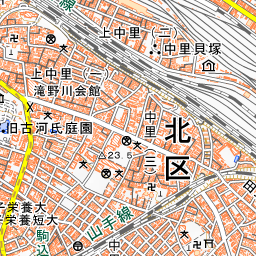
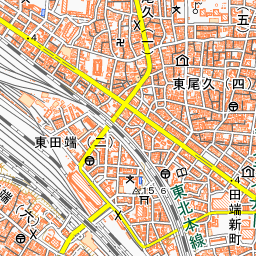
Spot location © OpenStreetMap contributors (ODbL)
Open in Google MapsUse asobot while you walk
- See where you are on the map and find spots nearby
- Listen to the guide's audio in course order, one after another (with subtitles)
- Walk to the next spot while following the map
Open on your phone
Scan to open this spot in asobot on your phone.