 ✨ AI Generated
Zoshigaya Kishimojin Temple
Japanese: 雑司ヶ谷鬼子母神
Toshima City, Tokyo
This information was written by AI and may contain mistakes. Please check official sources for opening hours, fees, and other details before you go.
Found a mistake? Let us know with “✏️ Something's wrong” on this spot's screen in asobot →
🎧 Audio guide(1:10)
In short
Zoshigaya Kishimojin Temple is a hall of Homyo-ji Temple of the Nichiren sect of Buddhism, dedicated to the deity of safe childbirth and child-rearing. It attracted the devotion of the common people throughout the Edo period. The Kishimojin Hall, whose main hall (honden) was built in 1664, is designated as a national Important Cultural Property.
- Gongen-zukuri Hall: Built in a style where the main hall (honden), connecting chamber (ai-no-ma), and worship hall (haiden) are interconnected, featuring an elaborately decorated and gorgeous worship hall.
- Grand Ginkgo Tree: Estimated to be 700 years old, it is a Tokyo Metropolitan Natural Monument and is also known as the "Child-granting Ginkgo."
- Zelkova-lined Approach: The oldest zelkova trees are over 400 years old, and Nio statues stand beyond the stone-paved path.
History and Highlights
Zoshigaya Kishimojin Temple is the Kishimojin Hall of Ikozan Homyo-ji Temple of the Nichiren sect. Revered for blessings such as safe childbirth, it garnered the devotion of ordinary citizens throughout the Edo period. Kishimojin is a Buddhist guardian deity appearing in the Lotus Sutra. Although she was a mother of one thousand children, she repeatedly committed the evil of abducting and eating villagers' children. However, it is told that she repented her past deeds upon receiving the teachings of Shakyamuni Buddha and became a deity who protects people.
According to the temple's origins, the sacred statue was unearthed in 1561 from the ridge of a field in Seido, located in what is now Mejirodai, Bunkyo Ward. In 1578, a hall was erected to enshrine the statue in a corner of the Homyo-ji Temple grounds then known as "Inari no Mori" (Forest of Inari). This marked the beginning of the Kishimojin Hall.
The current main hall was built in 1664. It was donated by Jishoin, daughter of Maeda Toshitsune, lord of the Kaga Domain, and wife of Asano Mitsuakira, lord of the Hiroshima Domain. The worship hall and the connecting ai-no-ma were constructed in 1700. The hall escaped damage from both the Great Kanto Earthquake and World War II, and was designated as a national Important Cultural Property in 2016.
There is a subtle rule regarding the character "鬼" (oni) in Kishimojin: officially, it is written without the first stroke (the dot on top representing horns).
Highlights & Experience
- Gongen-zukuri Hall: Built in the gongen-zukuri style, where the worship hall connects to the front of the main hall via the intermediary ai-no-ma. The worship hall features lavish ornamentation and an open-front bay, giving it a splendid appearance.
- Grand Ginkgo Tree: A male ginkgo tree towering within the precincts, designated as a Tokyo Metropolitan Natural Monument. With an estimated age of 700 years, a height of about 33 meters, and a trunk circumference of about 11 meters, this sacred tree is also referred to as the "Child-granting Ginkgo" or "Child-rearing Ginkgo."
- Precinct Specialties: The name "Osen Dango" comes from the wish to be blessed with children, inspired by the fact that Kishimojin had one thousand children. In the Edo period, it was widely enjoyed as a souvenir of worship. Within the grounds is also Kamikawaguchiya, a traditional dagashi sweet shop operating since the Edo period, bearing the sign "Founded in 1781" above its shop name.
Walking Tips
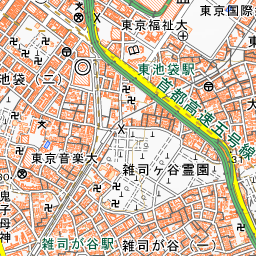
From the "Kishimojin-mae" stop on the Tokyo Sakura Tram (Toden Arakawa Line), a zelkova-lined approach extends toward the hall. It is handed down that Nagashima Takumi of Zoshigaya planted dozens of zelkova trees during the Tensho era (1573–1592). The oldest trees are over 400 years old and are designated as Tokyo Metropolitan Natural Monuments. As you walk along the stone pavement, Nio statues stand on the left and right. From Zoshigaya Station on the Tokyo Metro Fukutoshin Line, it is a 5-minute walk from Exit 1. Every year from October 16 to 18, the Oeshiki memorial service is held, featuring a lively festival with parades of swaying mando lanterns. Located approximately 540 meters east of the hall is Zoshigaya Cemetery, which can be visited together on your walk.
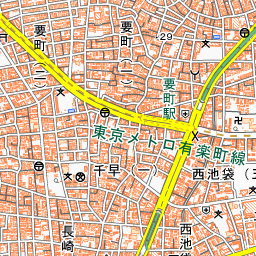


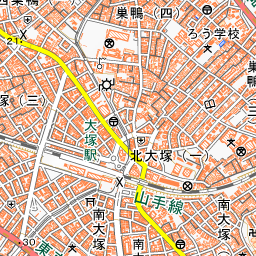

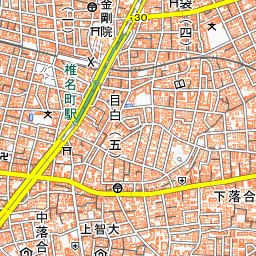
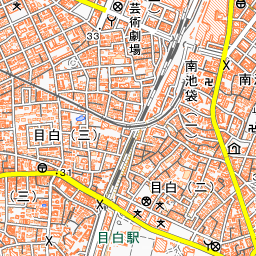


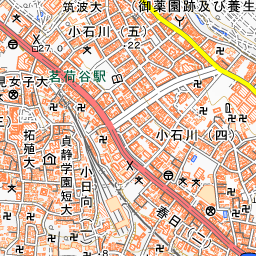
Spot location © OpenStreetMap contributors (ODbL)
Open in Google MapsGuides that include this spot (1)
Use asobot while you walk
- See where you are on the map and find spots nearby
- Listen to the guide's audio in course order, one after another (with subtitles)
- Walk to the next spot while following the map
Open on your phone
Scan to open this spot in asobot on your phone.