 ✨ AI Generated
Sakai Plaza of Rikyu and Akiko
Japanese: さかい利晶の杜
Sakai Ward, Sakai, Osaka
This information was written by AI and may contain mistakes. Please check official sources for opening hours, fees, and other details before you go.
Found a mistake? Let us know with “✏️ Something's wrong” on this spot's screen in asobot →
🎧 Audio guide(1:16)
In short
A cultural tourism facility that conveys the appeal of Sakai's history and culture through the lives and personalities of two figures from Sakai: Sen no Rikyu, who perfected chanoyu (the tea ceremony), and Yosano Akiko, a poet who paved the way for modern Japanese literature. It opened in March 2015. The first floor is the "Sen no Rikyu Chanoyu Museum," and the second floor is the "Yosano Akiko Memorial Museum."
- Recreation of Akiko's Birthplace: Her family home, the Japanese confectionery shop Surugaya, is recreated at nearly actual size. Visitors can also see the choba (clerk's desk) where Akiko is said to have read literary works while minding the shop
- A Bowl of Tea Prepared by the San-Senke Schools: At "Nankaian," the ryu-rei (table and chair) tea seating area, you can enjoy matcha and Sakai-made Japanese sweets while seated on chairs, served according to the manners of the Omotesenke, Urasenke, and Mushakojisenke schools
- Sakai Taian and Muichian: "Sakai Taian," a restoration of "Taian," the National Treasure and the only surviving tea room built by Rikyu, as it was when first built, can be entered upon application. There is also "Muichian," which recreates the four-and-a-half-tatami-mat tea room Rikyu set up at the Grand Kitano Tea Ceremony
History and Highlights
Sakai Plaza of Rikyu and Akiko is a cultural tourism facility that conveys the appeal of Sakai's history and culture through the lives and personalities of two figures from Sakai: Sen no Rikyu, who perfected chanoyu (the tea ceremony), and Yosano Akiko, a poet who paved the way for modern Japanese literature. It opened on March 20, 2015.
On the first floor, the "Sen no Rikyu Chanoyu Museum" introduces Rikyu and the people involved with the city of Sakai using images and audio. The Sumiyoshi Saireizu Byobu (Folding Screen of the Sumiyoshi Festival), which depicts mikoshi (portable shrines) arriving in Sakai from Sumiyoshi-taisha Shrine and the townspeople parading alongside them, is the only folding screen showing the appearance of Sakai in the early Edo period. Trade ceramics and tea utensils excavated from the Sakai Moated City Archaeological Site, located inside the moats that once encircled the town, are also on display.
On the second floor, the "Yosano Akiko Memorial Museum" allows visitors to experience the world of Akiko's poetry through video and audio exhibits that change with each season. Akiko was born in 1878 (Meiji 11) as the third daughter of the family that ran Surugaya, a Japanese confectionery shop located in what is now Kai-cho, Sakai Ward. Her notable works include the poetry collection Midaregami (Tangled Hair) and the poem "Kimi Shinitamou Koto Nakare" (Thou Shalt Not Die).
Viewing and Experience Highlights
- Recreation of Akiko's Birthplace: Her family home, Surugaya, is recreated at nearly actual size. It is a house with a Western-style second floor built by her father, who was fond of Western culture, and visitors can also see the choba (clerk's desk) where Akiko is said to have read literary works while minding the shop.
- A Bowl of Tea Prepared by the San-Senke Schools: At "Nankaian," the ryu-rei (table and chair) tea seating area of the chanoyu experience facility facing the Sen no Rikyu Residence Site, you can enjoy matcha green tea and Sakai-made Japanese sweets while seated on chairs, served according to the manners of the Omotesenke, Urasenke, and Mushakojisenke schools. The ryu-rei style was devised so that people who find it difficult to sit in the seiza posture and overseas visitors can also enjoy the tea ceremony.
- Sakai Taian and Muichian: "Sakai Taian" is a restoration of the original appearance of "Taian," a National Treasure and the only surviving tea room built by Rikyu, located at Myoki-an in Oyamazaki Town, Kyoto Prefecture. Visitors can enter the tea room upon application. There is also "Muichian," which recreates the four-and-a-half-tatami-mat tea room Rikyu set up at the Grand Kitano Tea Ceremony.
Walking Tips
It is about a 1-minute walk from Shukuin Station on the Hankai Line, and about a 10-minute walk from Sakai Station on the Nankai Main Line. The tourist information exhibition room inside the facility introduces sightseeing spots and information about Sakai, making it a good place to stop by at the beginning of a city walk.
The Sen no Rikyu Residence Site across the street is right nearby. Aguchi-jinja Shrine is located about 390 meters to the east, and Nanshu-ji Temple is about 780 meters to the south, allowing you to walk around and visit places connected to Rikyu.
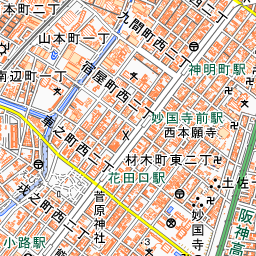
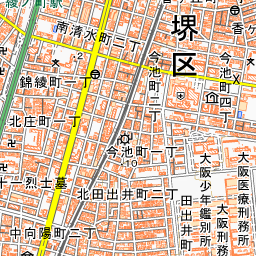


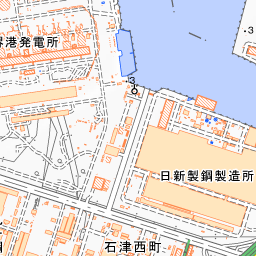
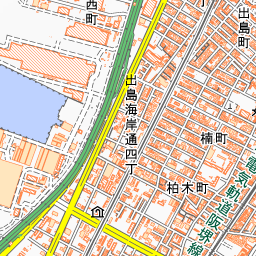
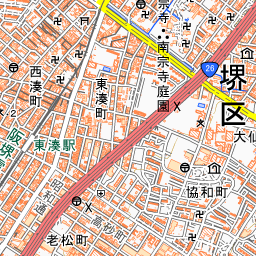
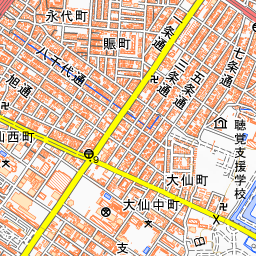
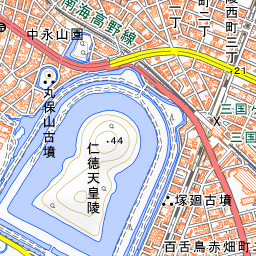
Spot location © OpenStreetMap contributors (ODbL)
Open in Google MapsGuides that include this spot (1)
Use asobot while you walk
- See where you are on the map and find spots nearby
- Listen to the guide's audio in course order, one after another (with subtitles)
- Walk to the next spot while following the map
Open on your phone
Scan to open this spot in asobot on your phone.